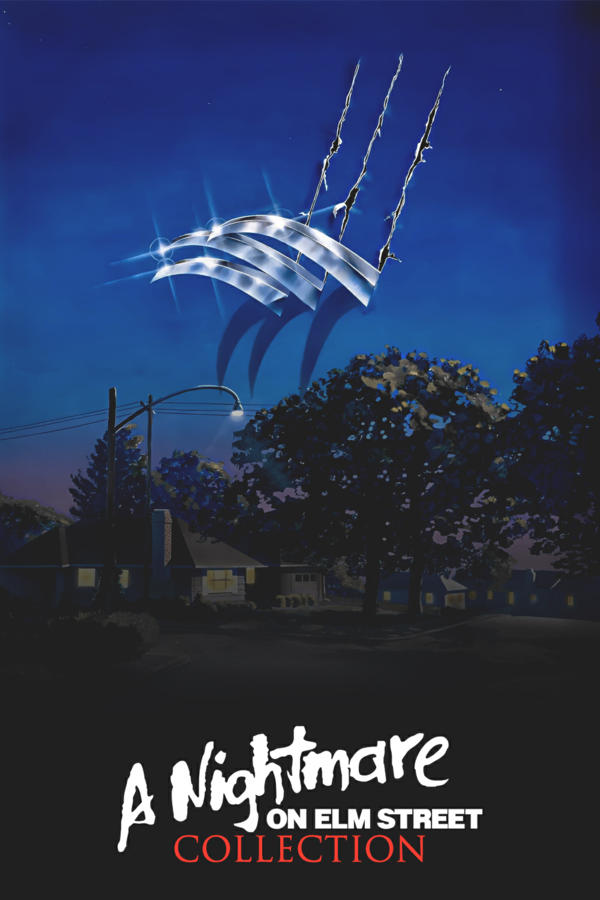
A Nightmare on Elm Street Collection
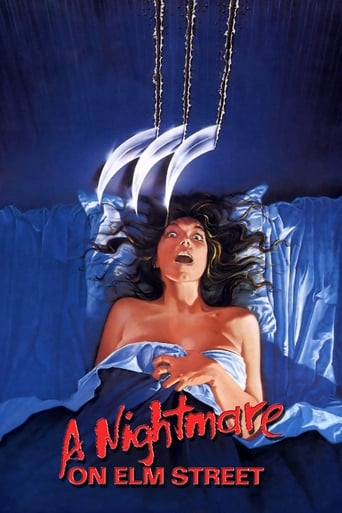
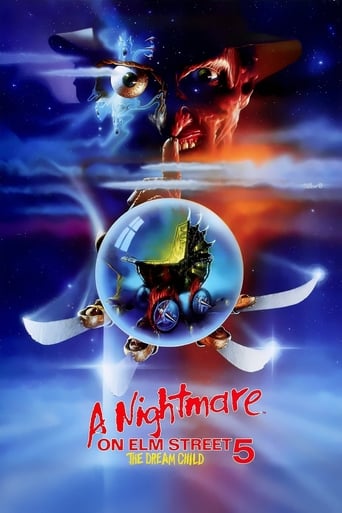
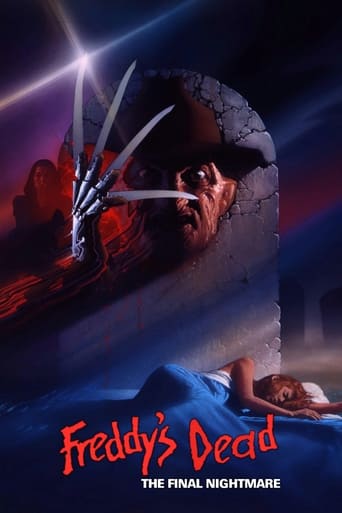
8 films See all 8 films ↓This is one continuous franchise built around a single character rather than a genre umbrella, but its throughline is a genuine break from the slasher formula that came before it. Where Halloween and Friday the 13th built their killers as silent, masked, physically unstoppable presences, Wes Craven's 1984 original gave horror a villain who talks, jokes, has a face and a specific biography, and kills through a supernatural rule rather than a chase: Freddy Krueger, a child murderer freed on a legal technicality and burned alive in a boiler room by the vigilante parents of Springwood, who returns to hunt their children in their dreams, where death is real. Made for well under $2 million by New Line Cinema, then a small, financially struggling distributor of other people's films, it earned over $25 million in its domestic run alone and transformed the company into a genuine studio, earning it the nickname "the House That Freddy Built."
That first film also did something no masked-killer slasher could: it used the dream setting to break the laws of physics on camera. Its two signature sequences — a girl dragged screaming across her own ceiling, and a boyfriend pulled into his mattress and expelled as a geyser of blood — were both shot on a single rotating set built and filmed upside down, a production so risky that when it spun the wrong way during filming it nearly electrocuted the crew. That set piece established the franchise's visual identity: horror staged inside dream logic rather than a realistic environment, which the sequels would keep pushing further.
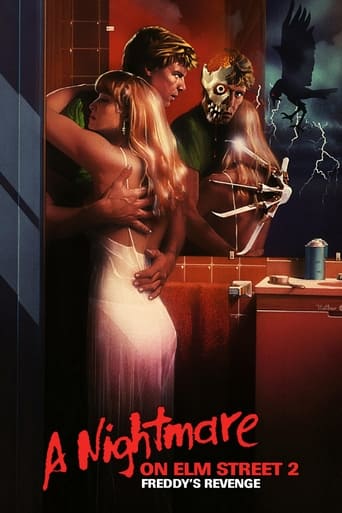
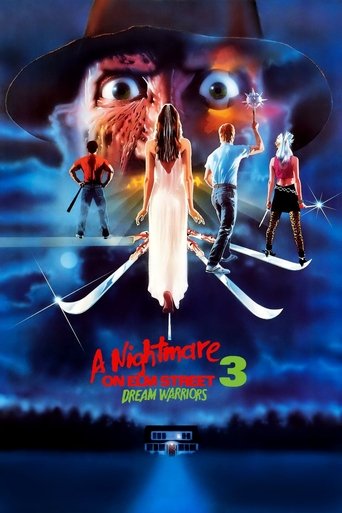
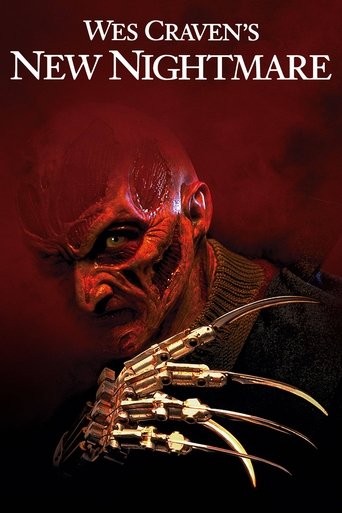
The character's own tone shifted deliberately partway through the series. After a second film that underperformed with critics despite outgrossing the original, New Line brought in director Chuck Russell and co-writer Frank Darabont for 1987's Dream Warriors specifically to save the franchise, and it's there that Freddy's now-defining trait — the wisecracking, showman quality Robert Englund brought to the role — was consciously introduced, turning him from a pure scare into a genuine pop-culture icon (and, over the sequels that followed, occasionally into self-parody). A decade later, Wes Craven returned to reclaim his creation with New Nightmare (1994), a meta film in which the actors and crew of the original are stalked by a Freddy who has escaped fiction itself — a dry run, made two years ahead of time, for the self-aware approach Craven would popularize with Scream.
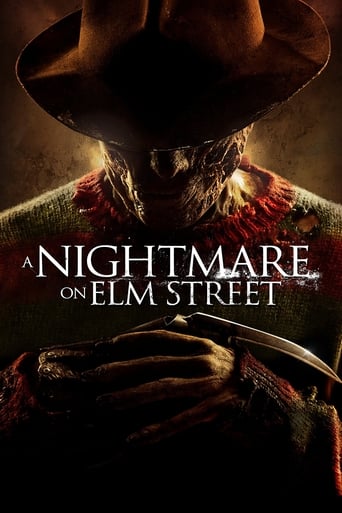
The corporate history behind the films tracks the wider horror industry, too. New Line eventually had to negotiate with Paramount, which held Jason Voorhees's rights, to finally stage Freddy vs. Jason in 2003 after roughly sixteen years of stalled scripts. And the 2010 remake came from Michael Bay's Platinum Dunes — the same production company that, a year earlier, had already rebooted Friday the 13th — as part of a broader, deliberate strategy of relaunching 1970s and '80s horror properties (Texas Chainsaw Massacre, Amityville Horror) for a new audience. It made money and was dismissed by critics, effectively closing out that studio's run of horror remakes.