The Indian Tomb (CCC Film) Collection
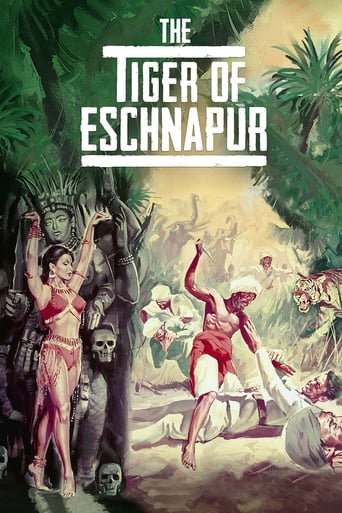
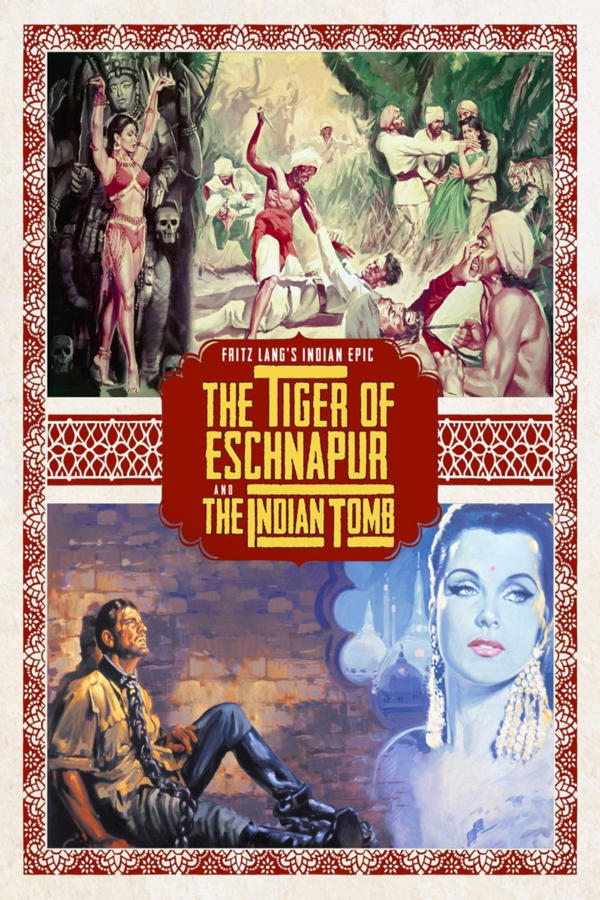
2 films See all 2 films ↓One story told in two films: The Tiger of Eschnapur and The Indian Tomb, released in West Germany in 1959 and meant to be seen back to back, the second picking up at the first one's cliffhanger. A German architect and a temple dancer fall in love in the palace of a jealous maharajah and flee across desert and jungle. The material is pure pulp, from a 1918 novel by Thea von Harbou, and the films are Fritz Lang's second-to-last work.
The project had been taken from Lang once already. In the early 1920s he and von Harbou, soon to be his wife, wrote a two-part adaptation of her novel that Lang expected to direct; the producer-director Joe May took it over and released it himself in 1921. Lang went on to make Dr. Mabuse, Metropolis and M, left Germany in the 1930s, and spent two decades in Hollywood, where he grew increasingly frustrated with studio control.
What brought him back was a postwar West German producer with a commercial strategy. Artur Brauner's CCC Film was among the most prolific companies in West German popular cinema, and in the late 1950s it set out to revive the exotic adventure serials of the silent era as colour spectacles, financed as co-productions with Italian and French companies to spread the cost and secure markets across Europe. Brauner offered Lang the Indian story with the artistic control Hollywood had denied him. Lang made it, and then a final Mabuse film for the same producer.
German critics largely dismissed the diptych as old-fashioned. In the United States, American International Pictures bought both films and cut them into a single 90-minute feature, Journey to the Lost City, which is how most English-speaking audiences saw them for decades. Restored to their full length, the two films are now read as a late formal exercise by a director returning to the stylised, geometric spectacle of his silent work.