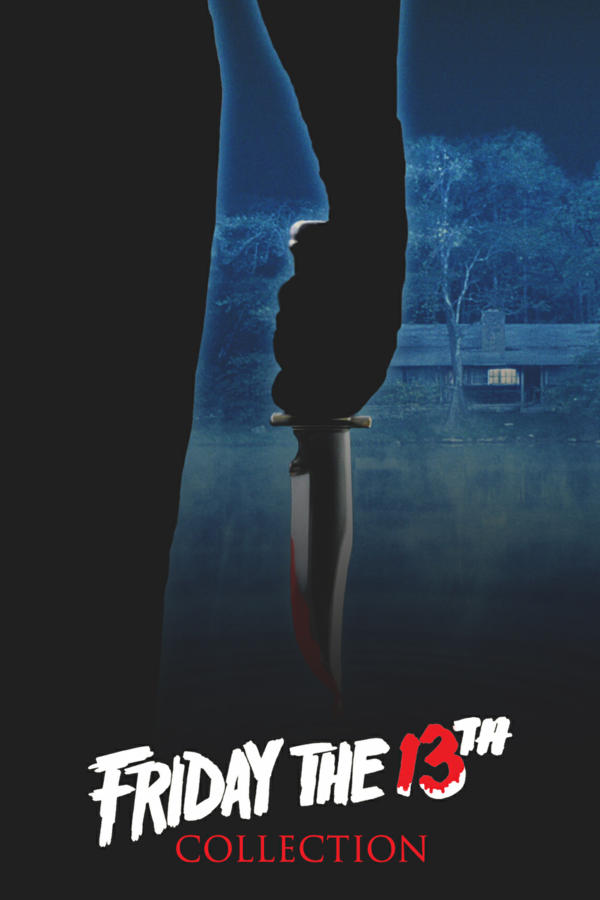
Friday the 13th Collection
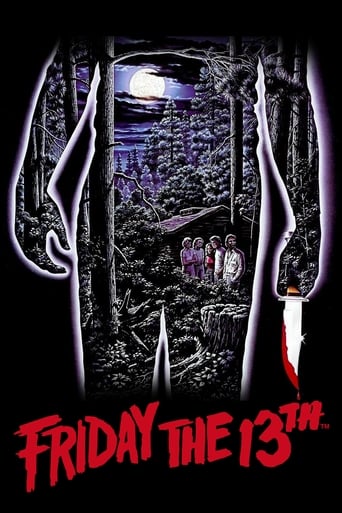
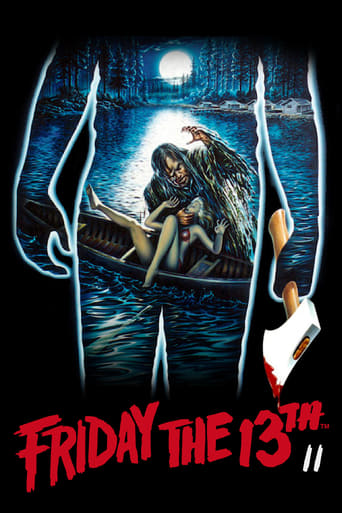
12 films See all 12 films ↓This is one continuous commercial franchise, not a shared myth assembled by different artists — twelve films made across nearly three decades from a single opportunistic gamble. Needing a hit, producer Sean Cunningham took out a Variety ad announcing "the most terrifying film ever made" under the title Friday the 13th before a script even existed, hoping to cash in directly on the runaway success of Halloween two years earlier. Made for around $550,000, it grossed close to $60 million and became the first independent slasher film picked up for distribution by a major studio, guaranteeing the sequels that followed. The character now synonymous with the series is himself a retrofit: in the original film the killer is Jason's mother, Pamela, avenging his drowning years earlier, and Jason appears only in one final jolt of a scare. He doesn't become the actual antagonist until the next film, and doesn't put on the hockey mask until the one after that.
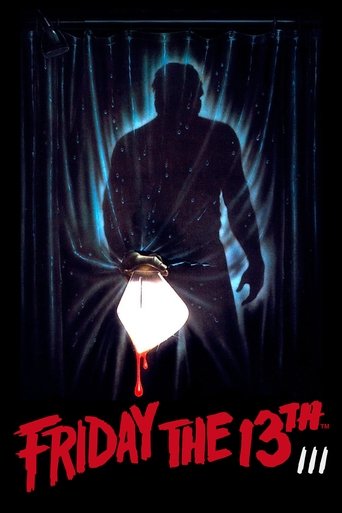
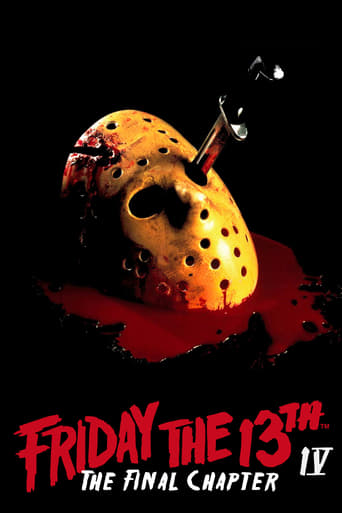
Alongside Halloween, this franchise set the commercial template for the "stalk and slash" cycle that dominated American horror through the mid-1980s: an isolated setting, a rising body count, and practical gore as the main selling point, courtesy of effects artist Tom Savini, fresh off Dawn of the Dead. The hockey mask itself only arrived with the third film in 1982, which was shot in 3-D to catch a brief revival of the format that also produced Jaws 3-D and Amityville 3-D that same year — a strange echo, thirty years on, of the same 3-D fad that had shaped 1950s horror.
The series also landed at the center of a real critical fight over what these films were doing to their audience. Gene Siskel and Roger Ebert built a 1980 television special around what they called "Women in Danger" films, returning to Friday the 13th three separate times as their central example; Siskel's own newspaper review deliberately spoiled the killer's identity in a stated attempt to keep people out of theaters, and accused the ratings board of going easy on the studio. That fight played out picture by picture behind the scenes too — the second film alone was submitted to the MPAA eight times before enough gore was cut to avoid an X rating, a pattern that repeated through most of the decade.
The films also trace a real change of studio hands. Paramount, which had backed the series from the start, eventually sold Jason's character rights to New Line Cinema, the studio built on A Nightmare on Elm Street — a deal that, after more than fifteen years of stalled scripts, finally let Jason meet Freddy Krueger on screen in 2003. The collection's final stop, a ground-up 2009 reboot, was produced under Michael Bay's Platinum Dunes as part of a broader mid-2000s strategy of relaunching 1970s and '80s horror properties for a new audience, the same approach the company had already used on The Texas Chainsaw Massacre and The Amityville Horror.