Halloween Collection
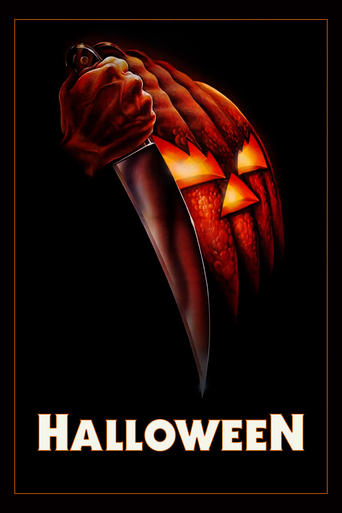
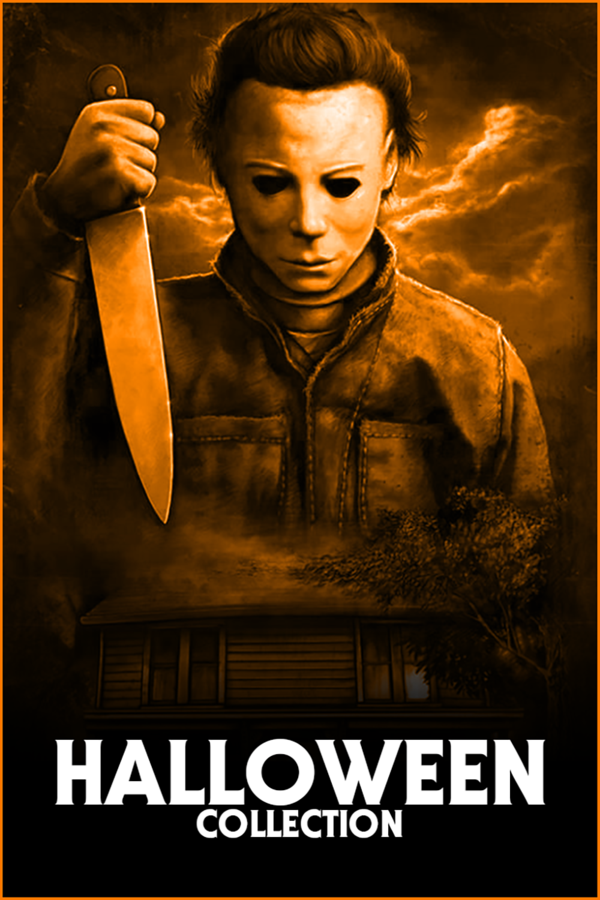
15 films See all 15 films ↓This collection traces a single character across more than four decades, but the film that created him wasn't one person's singular vision — it's a good example of how these things actually get made. Producer Irwin Yablans came up with the premise and even the title first (retitled from The Babysitter Murders) and brought it to director John Carpenter, who wrote the script in an even split with producer Debra Hill: she wrote the babysitter characters, he wrote Loomis and Michael. Even that premise had a prior source — director Bob Clark, whose 1974 film Black Christmas had already put most of the genre's pieces in place, had once described to Carpenter, almost beat for beat, an idea for a hypothetical sequel about an escaped killer returning a year later, which he said he'd call Halloween, then declined to make himself. Financier Moustapha Akkad put up roughly $300,000 to let Carpenter make it anyway, on the condition of full creative control — which is how Michael Myers ended up credited only as "The Shape," a blank, silent figure Carpenter and Hill built specifically to avoid the psychological explanations later films would pile onto him.
That modest investment became the highest return-on-budget in independent film history up to that point: roughly $300,000 turned into about $47 million domestically, $70 million worldwide, a record that stood until The Blair Witch Project two decades later. Some of that success was engineered rather than accidental. Hill and Carpenter cast Jamie Lee Curtis in her film debut in part because her mother, Janet Leigh, had played Marion Crane in Psycho — and they named the film's psychiatrist, Dr. Loomis, after a character in that same 1960 film, making the debt to Hitchcock explicit rather than incidental. That lineage was later given an academic name: Carol Clover's 1992 study of the genre coined the term "final girl" for the smart, watchful survivor who outlasts the killer, citing Laurie Strode alongside Psycho's Lila Crane as the template other films would keep reusing.
There's a real irony in how the film was received relative to what it caused. Roger Ebert gave Halloween four stars on release and compared it directly to Psycho; his partner Gene Siskel gave it three and a half. Two years later, those same two critics built a televised campaign against what they called "women in danger" films, naming Friday the 13th as their central target for exactly the formula Halloween had introduced — while continuing to treat Halloween itself as the smart exception, not the source of the problem. The imitators got the blame; the original got a pass.
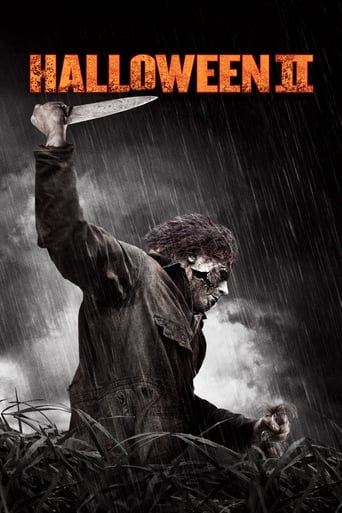
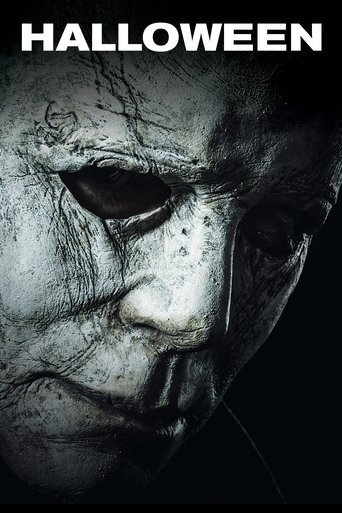
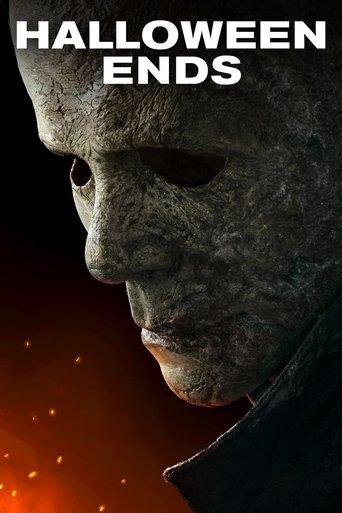
The film's ownership tells its own story of continuity through disruption. Akkad produced every film in the original series himself until he was killed, along with his daughter, in the 2005 Amman hotel bombings; his son Malek Akkad kept the family's production company involved in the property afterward. The years since have produced at least three separate, mutually contradictory timelines — the original run, a mid-2000s remake duology, and a 2018 direct sequel that openly discarded every sequel between it and the 1978 original, made with Carpenter himself back on board as executive producer and composer for the first time in decades, alongside Malek Akkad still producing forty years after his father put up the money to make the original film at all.