28 Days/Weeks/Years Later Collection
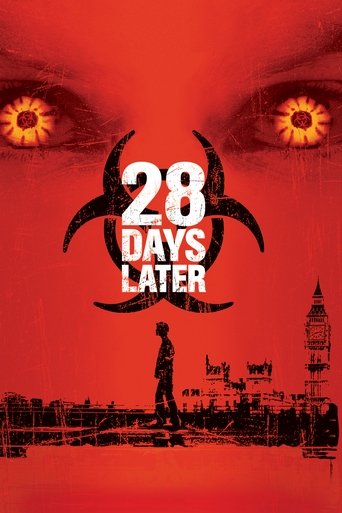
4 films See all 4 films ↓Alex Garland came to 28 Days Later having forgotten zombies until he played Resident Evil, and the film he wrote replaced the supernatural dead with a virus. Danny Boyle made it for about $8 million with DNA Films and the UK Film Council. He shot most of it on Canon XL1 consumer digital cameras, partly because they were small enough for the only way the budget allowed: closing Westminster Bridge and Oxford Street for a few minutes at a time at dawn. The cheap video gave the infected their jerky, unstable look. The film came out of a Britain that had just lived through mad cow disease and foot-and-mouth, and the decision to quarantine the country was made during production because of that mood. It took $82.8 million worldwide.
28 Weeks Later was built by Fox Atomic, Fox's short-lived youth horror label, for $15 million. Boyle and Garland stepped back to executive producer, and the job went to Spanish director Juan Carlos Fresnadillo, whose film turns the American military into the danger. A third film was discussed for years but stalled. It finally came from Sony, not Fox, when Boyle and Garland returned.
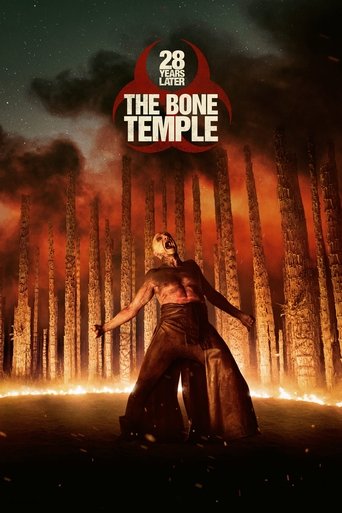
28 Years Later cost $60 million, more than the first two films combined, and grossed $151 million, the franchise's best. Its most striking shots again came from a small-camera idea, this time rigged iPhones. The Bone Temple, directed by Nia DaCosta and shot back to back with it, was the best reviewed of the series and took only $58.5 million on a $63 million budget. The series began when a cheap camera could make an expensive-looking catastrophe, and it has now reached the point where a catastrophe has to be paid for at full price.