Frankenstein (Universal) Collection
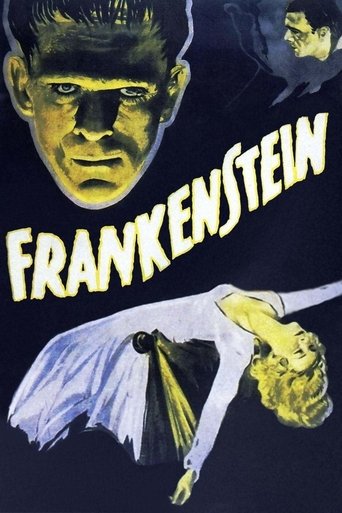
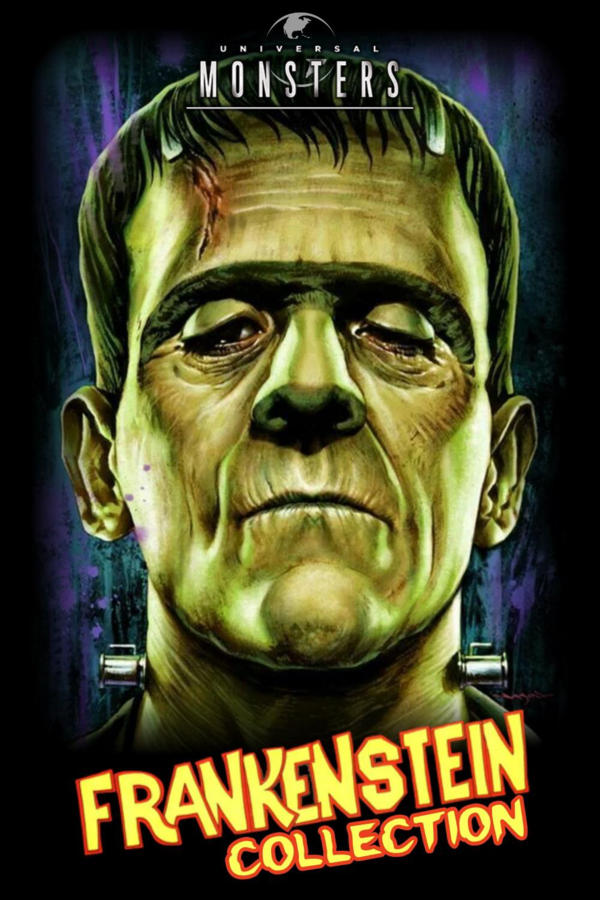
5 films See all 5 films ↓Universal's Frankenstein series started as a prestige gamble by a studio in financial trouble and ended as an efficient way to reuse its own characters. Frankenstein (1931) followed Dracula into production in the year Universal turned to horror to stay solvent. It was adapted from Peggy Webling's stage version as much as from Mary Shelley's novel, and Jack Pierce's make-up for Boris Karloff, with the flat skull and neck electrodes, became so valuable that the studio guarded it as its own property for decades. Rival studios that later took on the story had to avoid that design.
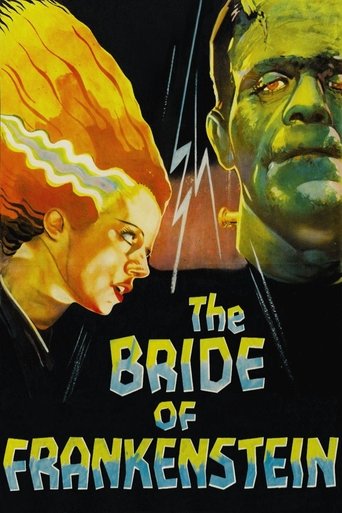
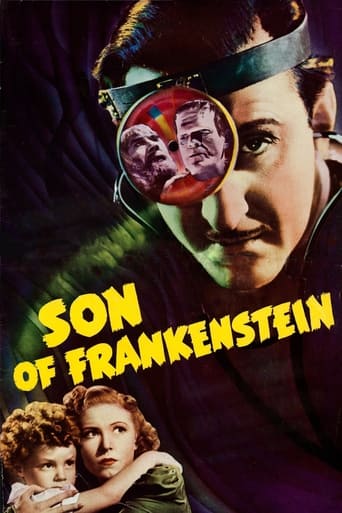
Bride of Frankenstein (1935) was a larger, stranger film made at the height of the cycle, and it ran over budget, as the original had. A year later the Laemmle family lost Universal to new owners who dropped horror from the schedule, partly under pressure from Hollywood's own Production Code Administration. The pause did not last. A 1938 reissue of Frankenstein on a double bill with Dracula drew such crowds that the studio put Son of Frankenstein (1939) straight into production on a major budget, and the cycle resumed across the industry.
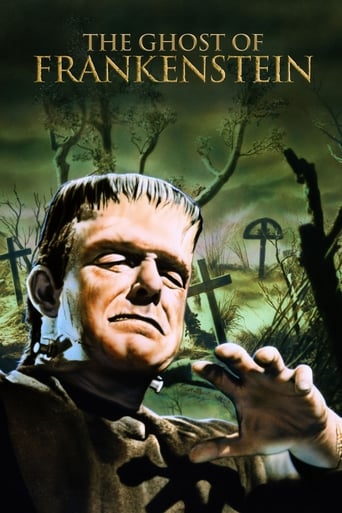
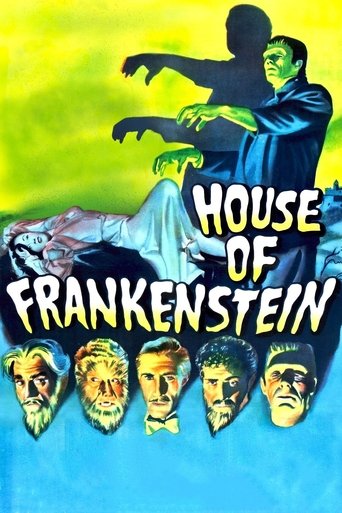
The wartime films show the economics changing. The Ghost of Frankenstein (1942) was a shorter, cheaper sequel made as Universal moved its monsters into B-unit production during the wartime boom in moviegoing, when almost anything played. House of Frankenstein (1944) gathered several of the studio's monsters into one picture. Its $354,000 budget was the highest planned for a Frankenstein film up to then, but it was shot on a 30-day schedule on sets reused from earlier productions. Each new film was assembled from parts the studio already owned, which suits the story.