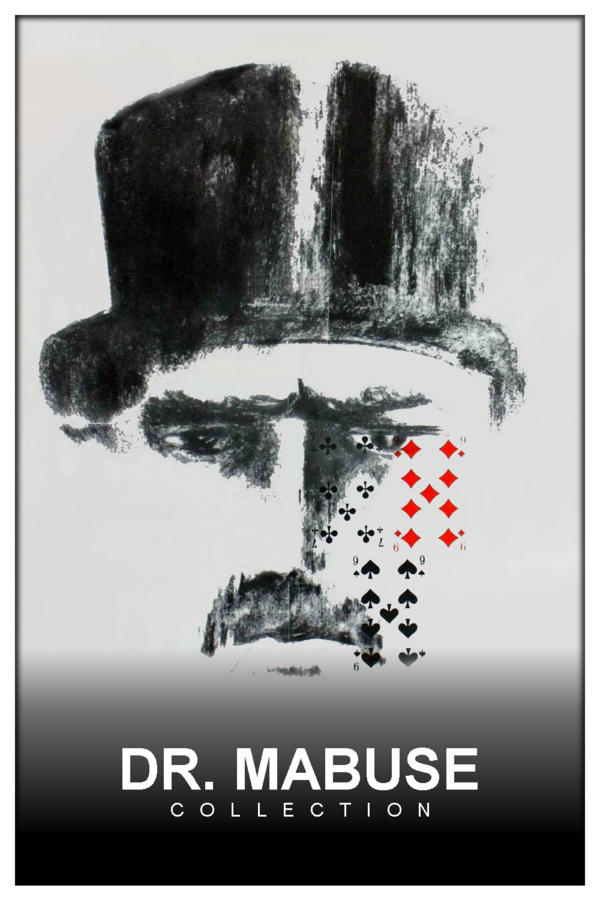
Dr. Mabuse Collection
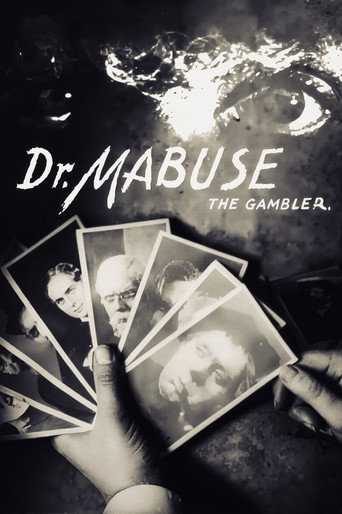
6 films See all 6 films ↓Norbert Jacques's novel about a master criminal arrived in the middle of Weimar Germany's crisis, and Fritz Lang and Thea von Harbou turned it into Dr. Mabuse, the Gambler in 1922. The film is about a society of inflation, speculation, gambling dens and hypnotized crowds, in which a man with many disguises can control the stock market. The German word Spieler means gambler, player and actor at once, and Mabuse is all three. The original ran about four and a half hours over two parts. The version here is much shorter.
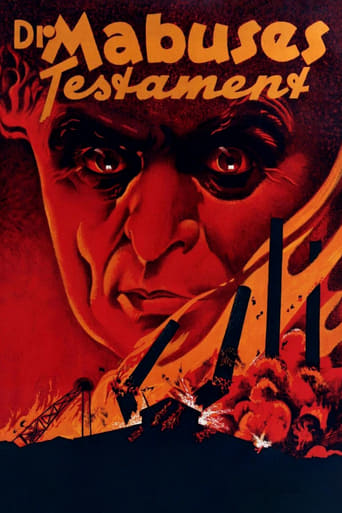
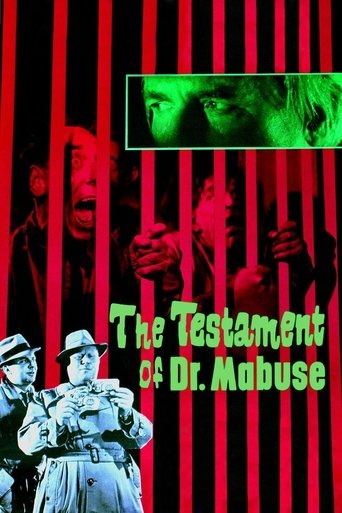
Lang returned to him at Nero-Film in 1933, with Mabuse issuing orders from an asylum and his writings taking over his doctor. Siegfried Kracauer argued that Lang meant the criminal to suggest Hitler, then rising to power as the film was being written. When Hitler became Chancellor, Goebbels banned The Testament of Dr. Mabuse, saying that it would undermine public confidence in the state's leaders. It was Lang's last film with von Harbou, and he soon left Germany.
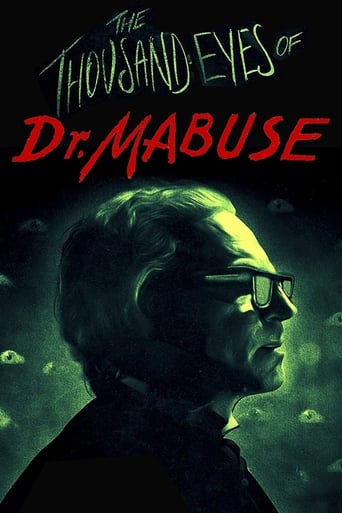
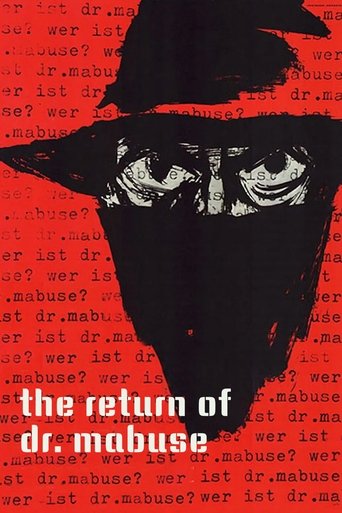
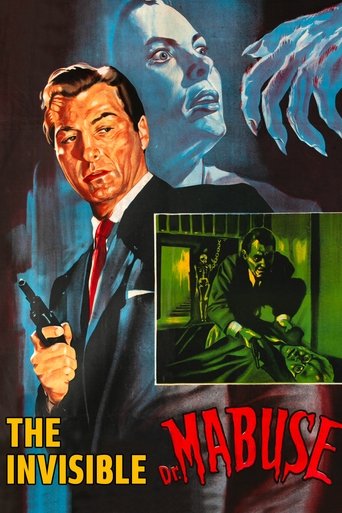
The name came back in the West German commercial cinema. Artur Brauner of CCC brought Lang home for The Thousand Eyes of Dr. Mabuse in 1960, his last film, set in a hotel that the Nazis had wired for spying. It is a chilling comment on a country that had not dealt with its past. Brauner then turned the name into a series to compete with Rialto's Edgar Wallace crime films. The Return of Dr. Mabuse, The Invisible Dr. Mabuse and the 1962 remake The Testament of Dr. Mabuse are competent thrillers for the home market. They complete the journey of a character from a diagnosis of a whole society to a brand name.