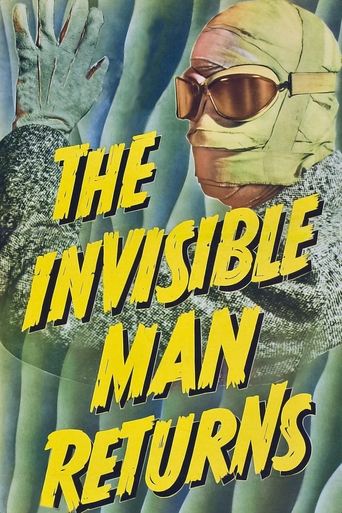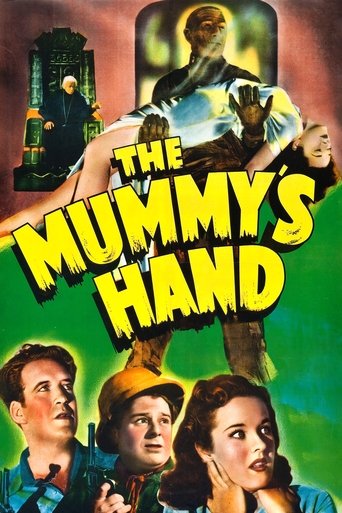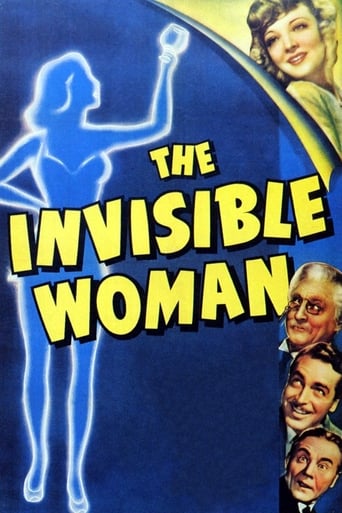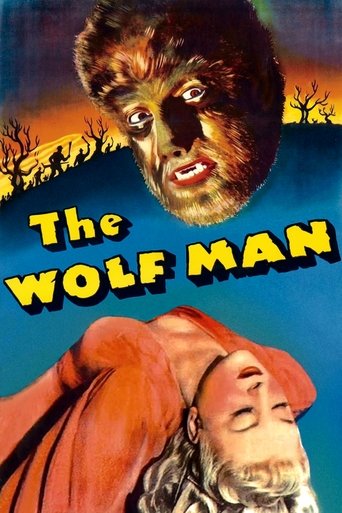
Universal Monster Movies
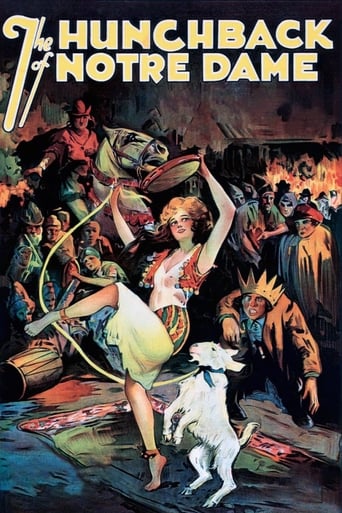
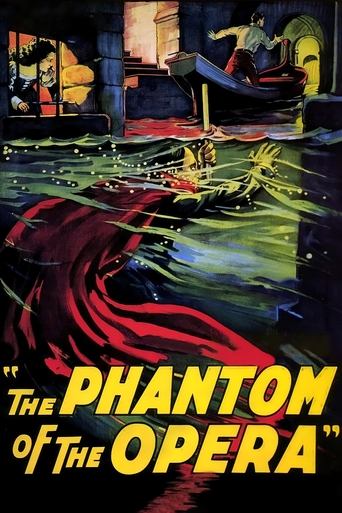
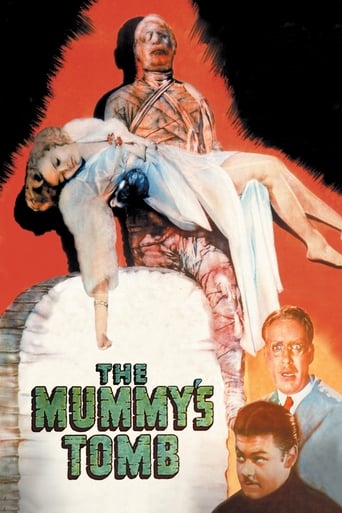
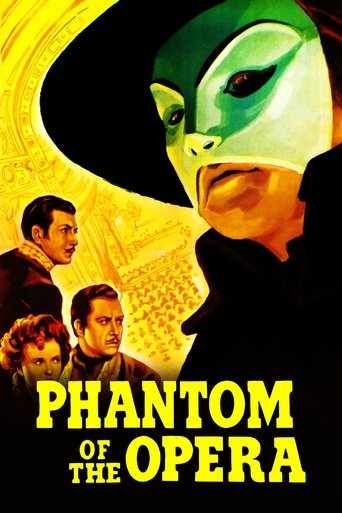
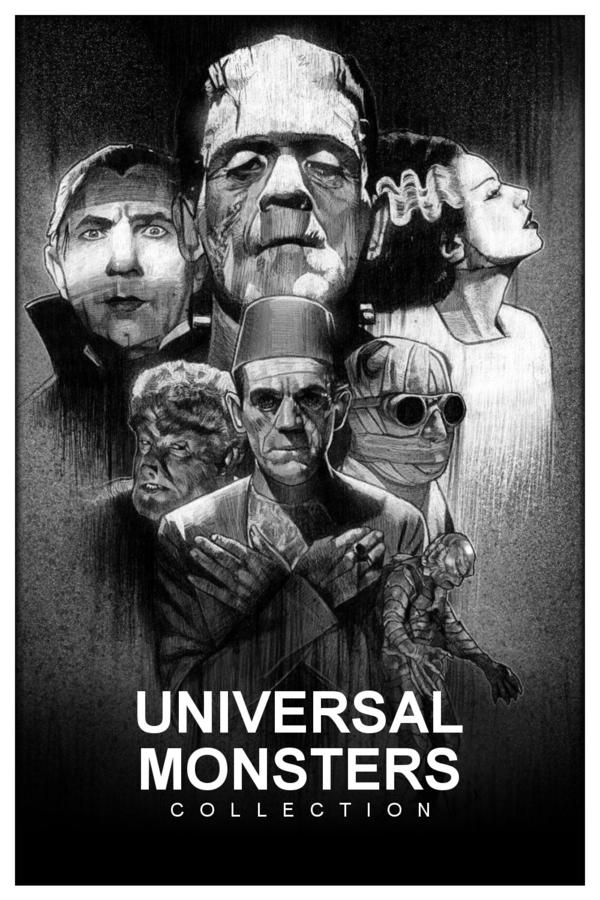
24 films See all 24 films ↓This collection runs Universal's monster pictures from 1923 to 1956 — not one movement but four different working eras stitched together after the fact by studio brand and shared makeup artistry: Lon Chaney's silent star vehicles, the Depression-era horror cycle proper, the wartime crossover sequels, and a 1950s creature-feature coda. What holds it together is less a genre than a studio's house style: Universal, without a theater chain of its own, built its business on modestly budgeted genre product it could count on rather than prestige pictures.
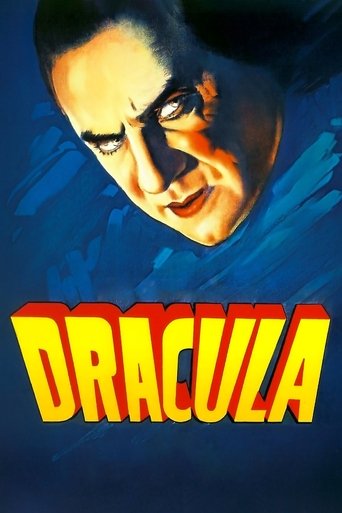
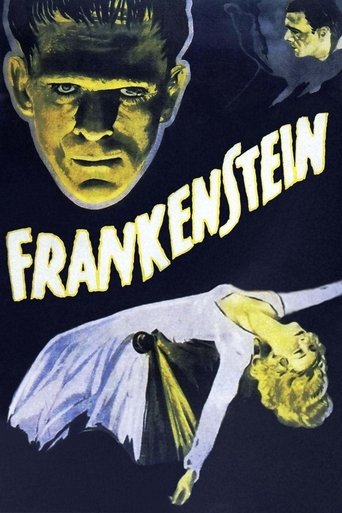
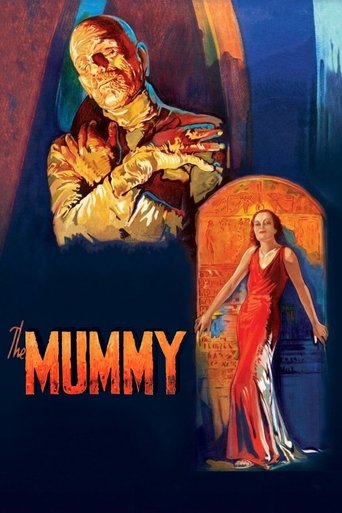
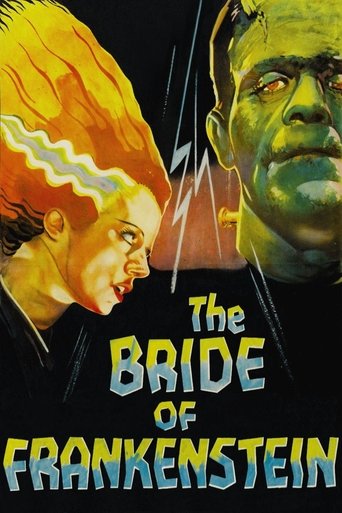
Dracula and Frankenstein, both released in 1931, are generally credited with turning horror into a reliable Hollywood studio genre rather than an occasional prestige experiment. Cinematographer Karl Freund, fresh from Weimar-era German Expressionism, brought that visual language into Hollywood on Dracula and then directed The Mummy the following year; Bride of Frankenstein (1935) is widely regarded as the cycle's high point. Between them, these films set down the genre's founding vocabulary — the aristocratic vampire, the reanimated corpse, the sympathetic monster — that horror still draws on.
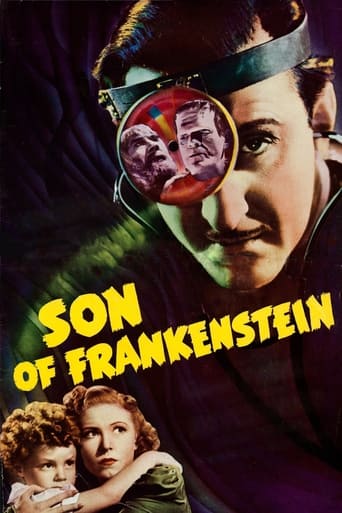
The cycle's shape tracks the studio's fortunes as much as any artistic plan. Depression-era economics made cheap, dependable horror pictures attractive to a studio without deep pockets, and the stricter Production Code enforcement that began in 1934 shows in Bride's more careful tone. A 1936 change of ownership — the Laemmle family lost control after a production loan for Show Boat was called in — shut the genre down at Universal entirely for two years, until an independent Los Angeles theater's 1938 double-bill of Dracula and Frankenstein drew crowds large enough to summon police, and Universal rushed Son of Frankenstein into production to capitalize.
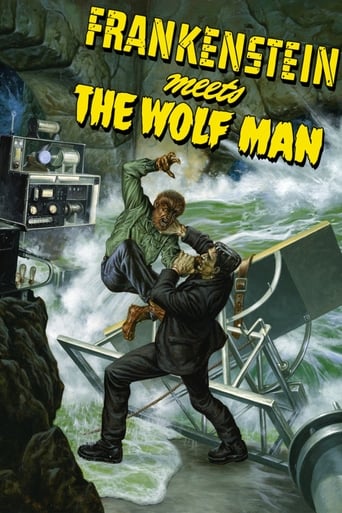
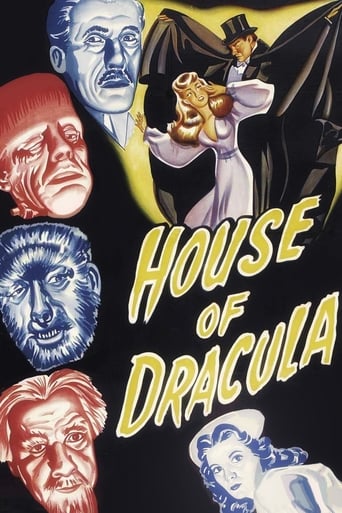
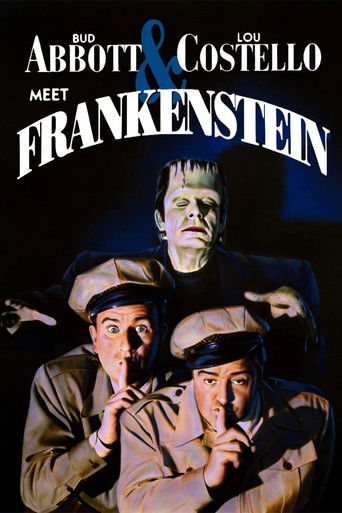
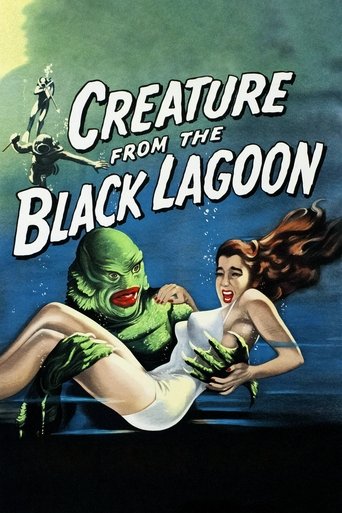
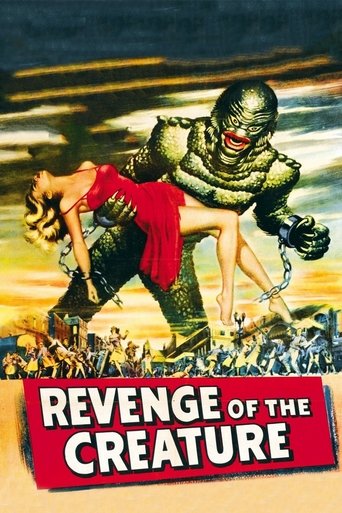
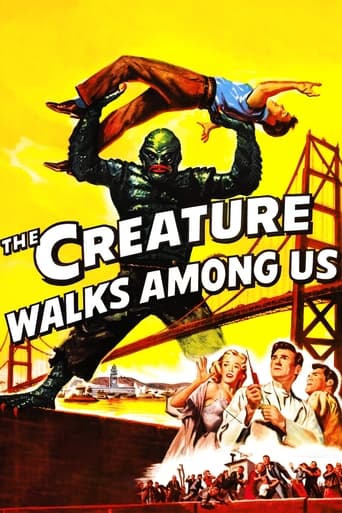
Wartime conditions pushed the films that followed toward faster, cheaper crossover pictures, with Frankenstein's monster, Dracula, and the Wolf Man sharing billing rather than each carrying a film alone — a format broad enough that by 1948 it could be played for comedy opposite Abbott and Costello. The Creature pictures that close out this collection, from 1954 to 1956, are a distinct final phase: built for the era's 3-D fad, trading Gothic folklore for a prehistoric survivor uncovered by a scientific expedition. These films were mostly ordinary program pictures in their day; the "classic monster" canon was assembled afterward, largely through 1950s television syndication.