The Invisible Man Collection
4 films See all 4 films ↓Universal's invisibility films are a case of a studio building a series out of a special effect. The Invisible Man (1933), from H. G. Wells's 1897 novel, depended on the optical work of John P. Fulton, whose matte techniques let Claude Rains's character undress into nothing on screen. The effect was what audiences paid to see, and it is why the studio kept returning to the property once the cast and story had gone.
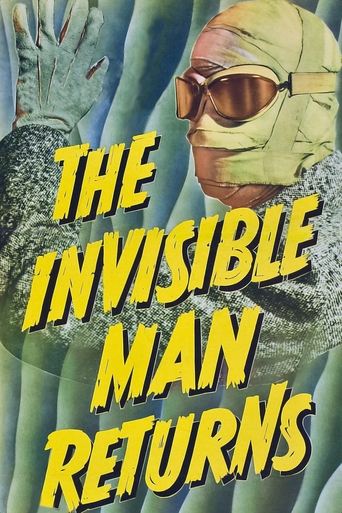
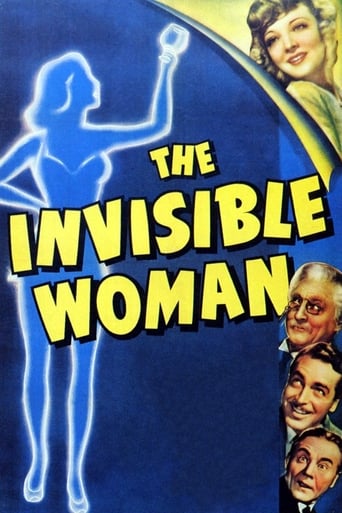
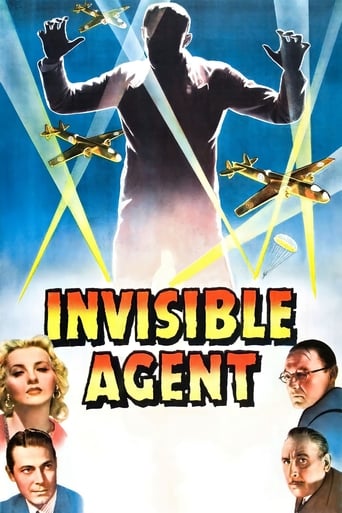
The sequels in the collection drop almost everything from Wells except the formula. The Invisible Man Returns (1940) came out in the second wave of Universal horror after the studio's 1938 revival of the genre. The Invisible Woman (1940) turned the idea into a screwball comedy built around the gags the effect allowed, which shows how freely the studio moved the property between genres. Invisible Agent (1942) took it into the war. Its hero, the inventor's grandson, parachutes into Germany to steal a list of Japanese spies, and the film credits Curt Siodmak's screenplay as only "suggested" by Wells. Fulton's effects earned an Academy Award nomination. A planned scene in which the invisible hero kicks Hitler was dropped because of a wartime rule against personal ridicule of enemy leaders, and the government's Office of War Information objected to the film for playing the Nazis as Keystone Cops.
Taken together, these are not one story but a reusable piece of studio technology, a formula plus Fulton's department, fitted into whatever genre Universal needed that year: horror, sequel, comedy, then propaganda. The series continued after these films and ended in the early 1950s, as Universal's monsters ended up as comedy partners.