Sherlock Holmes (Arthur Wontner) Collection
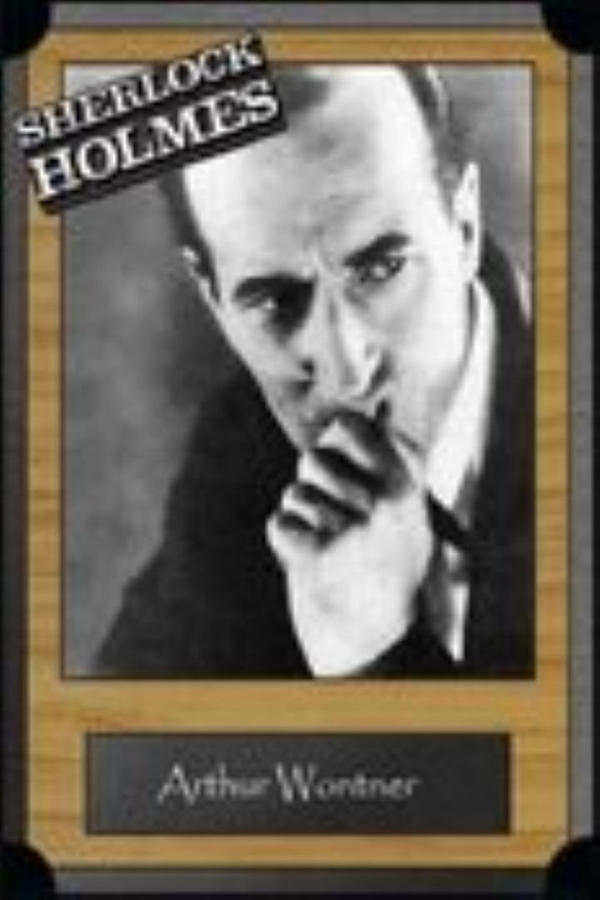
4 films See all 4 films ↓For those who care about such things, Arthur Wontner may be the screen's most physically accurate Holmes. He resembled Sidney Paget's drawings so strongly that Vincent Starrett, the leading American Sherlockian, wrote that "no better Sherlock Holmes than Arthur Wontner is likely to be seen and heard in pictures, in our time." He was a West End actor in his mid-fifties, cast after playing the detective Sexton Blake on stage.
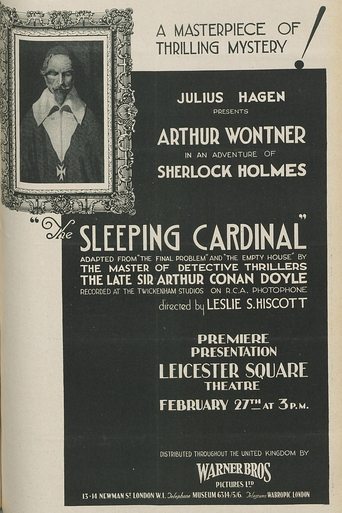
The films came out of the economics of British cinema in the 1930s. The Cinematograph Films Act of 1927 required theaters to show a quota of British pictures, and studios such as Julius Hagen's Twickenham turned them out cheaply. Sherlock Holmes' Fatal Hour, the American title of The Sleeping Cardinal, was a hit in Britain and was combined from The Empty House and The Final Problem. A second Twickenham film is now lost. The Sign of Four: Sherlock Holmes' Greatest Case, made for Associated Radio Pictures with American producer Rowland V. Lee, tried to make Holmes an athletic man of action and gave him the only decent budget he got.
Twickenham then gave him The Triumph of Sherlock Holmes, a reasonably faithful Valley of Fear, and finally Silver Blaze, released in the United States in 1941 as Murder at the Baskervilles to link it to a better-known title. By that time Hagen's company had collapsed, and Basil Rathbone had taken the role in a Hollywood version that overshadowed these. The Wontner films remain an example of what cheap, unhurried British production could do with an actor who simply looked right.