DARK PSYCHOLOGICAL THRILLER/SUPERNATURAL
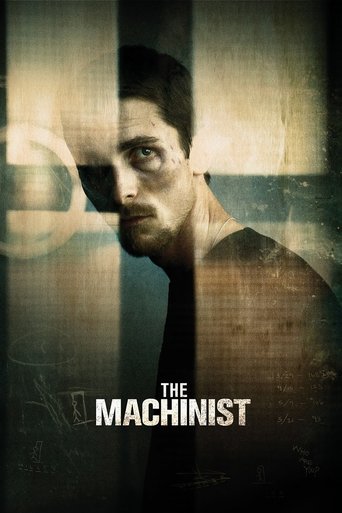
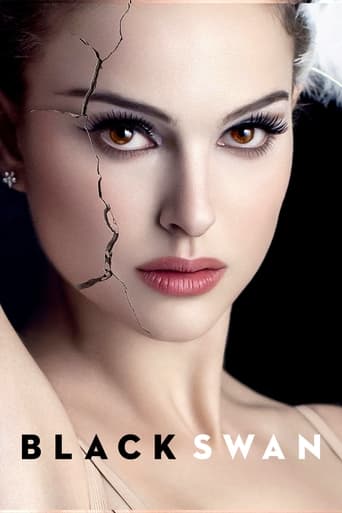
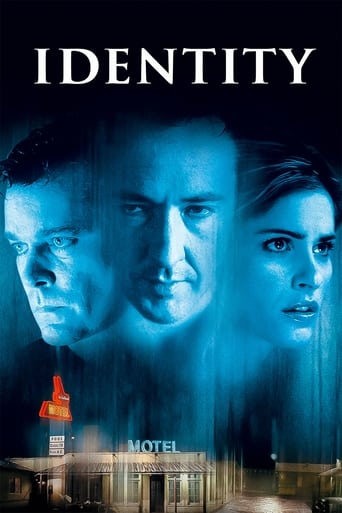
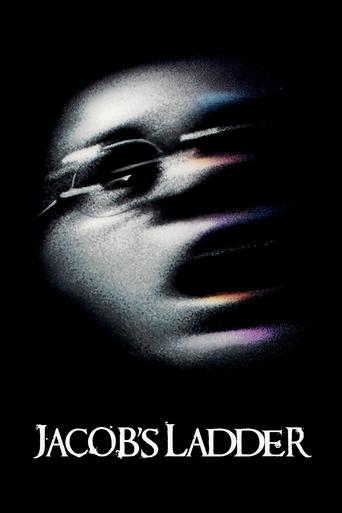
45 films See all 45 films ↓This collection isn't organized around a monster, a killer, or even a genre in the usual sense — it's organized around a single refusal: the film won't tell you whether what's happening is supernatural or whether the person at the center of it is losing their mind, and it means to keep you there. Some of these films land close to one pole or the other. Most sit deliberately in between.
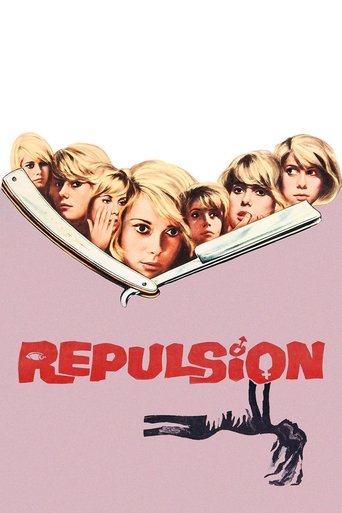
That refusal has a specific literary ancestor. Henry James's 1898 novella The Turn of the Screw is usually credited with being the first major work to fully weaponize this ambiguity — a governess becomes convinced the two children in her care are being stalked by malevolent ghosts, and James never once confirms whether she's right or whether she's the danger. Critics have described its real achievement as moving horror's center of gravity from an external monster to the unreliability of the person telling you about it. That lineage runs directly into this collection: the novella's most direct cinematic descendant, The Innocents, in turn shaped The Others, which sits in this collection carrying the same structure four generations removed from its source. Repulsion, the collection's oldest entry, takes the ambiguity to its far end and removes it entirely — there's no ghost to argue about, just a woman's psychotic break rendered as pure cinema, and it remains one of the most influential films of its kind ever made.
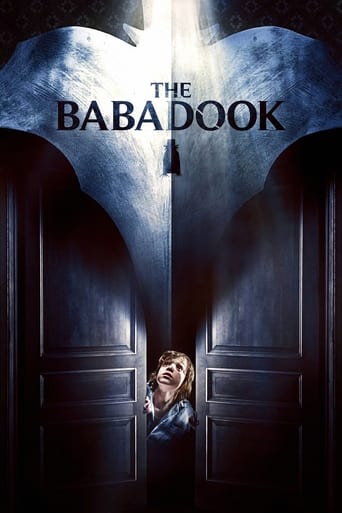
The collection's newest arrivals belong to a real, still-unresolved fight in film criticism. Starting around 2014, when critics singled out The Babadook's use of grief as monster, and picking up real momentum by 2019, a cluster of mostly A24-backed films got labeled "elevated horror" — dread built from atmosphere and metaphor rather than jump scares or gore. Horror fans and more than a few critics have pushed back hard on the term ever since, arguing it implies traditional horror is something lesser that these films had to be rescued from. Saint Maud is one of the films most commonly cited on both sides of that argument. This collection doesn't take a side in the fight so much as make it visible: decades of films built on exactly this technique, sitting next to the handful that a marketing term recently tried to claim as something new.
What holds 1965 to 2021 together, then, isn't a visual style or a shared decade — it's one inherited narrative trick, dressed differently by each era that picked it back up.