1930's Comedies about Crime
72 films See all 72 films ↓Crime played for laughs in the decade when sound, the Depression and censorship reshaped how films were made and sold. Sound brought fast dialogue to the crime story first. The Front Page (1931) and Warner Bros.' wisecracking pictures with James Cagney and Joan Blondell treated reporters, con men and small-time crooks as quick-talking city types, alongside the more violent gangster films the same studios were making.
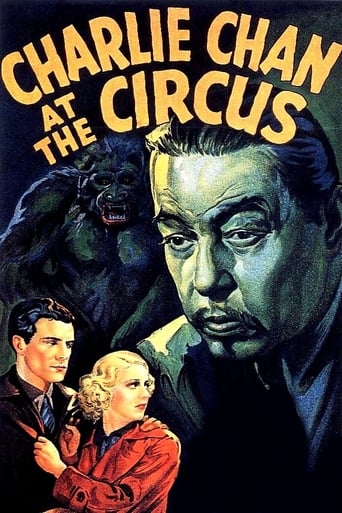
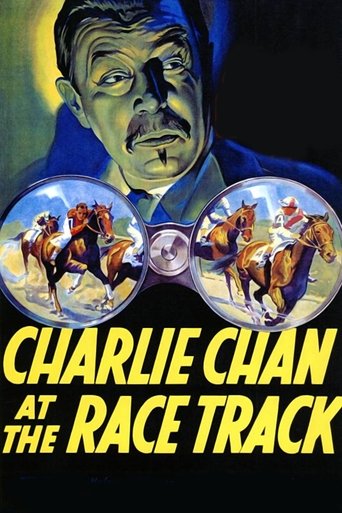
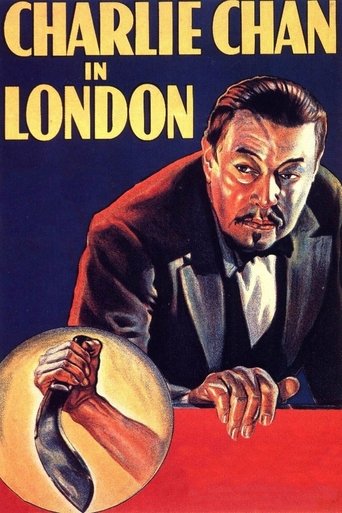
The economics of exhibition did as much as anyone's taste. By the middle of the decade the double feature was the standard American programme, and the studios set up units to fill the bottom half of the bill. Warner Bros. raised its B-picture production from 12 to 50 per cent of its output in 1935, and Fox moved half its production into the same territory. Crime series were the most efficient product for these slots: Charlie Chan, Perry Mason, Philo Vance and later Nancy Drew, sixty to seventy-five minutes each, built around a recurring character, a stock of comic relief and a murder solved in the last reel. Block booking meant theatres usually rented them sight unseen, at a flat fee that made almost every one profitable.
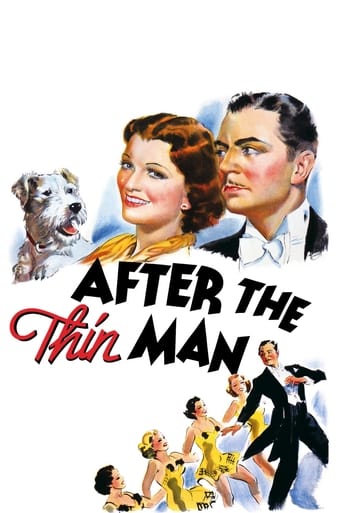
Censorship pushed in the same direction. From July 1934 the Production Code Administration under Joseph Breen required films to keep audience sympathy away from crime and forbade ridiculing the law. The gangster as hero was finished, and Cagney himself went over to the FBI in G-Men. Crime that was comic, solved by amateurs or committed by charming thieves remained acceptable. The Thin Man, shot in about twelve days in 1934 for $231,000 and intended as little more than a programmer, earned $1.4 million in rentals, produced five sequels and made the wisecracking, cocktail-drinking amateur detective one of the decade's standard formulas.
The European films here come from different industries under different pressures: Weimar Germany's Emil and the Detectives and Pabst's Threepenny Opera before the Nazi takeover, Sacha Guitry's commercial Paris theatre-cinema, and Britain's quota-protected studios turning out music-hall comedy. What they share with the Hollywood films is the idea that crime, in a decade of mass unemployment and failed banks, was a subject audiences would laugh at.