Dracula (Universal) Collection
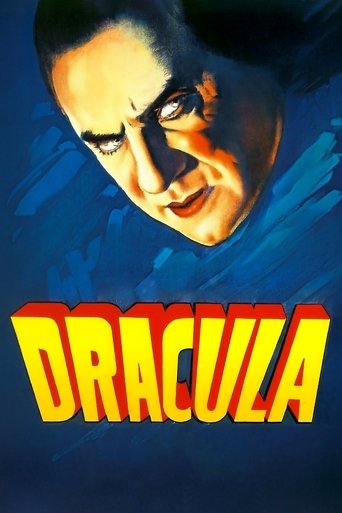
4 films See all 4 films ↓Universal's Dracula films trace a studio's finances as much as a monster. In 1930 Universal was close to receivership after spending heavily on theatres, sound conversion and costly musicals, and Carl Laemmle Jr. bet on horror as a cheaper niche. The studio paid $40,000 for the rights to Bram Stoker's novel and Hamilton Deane's stage play, signed Bela Lugosi, who had played the Count on Broadway, at $500 a week, and finished Dracula (1931) for about $341,000, slightly under budget. A Spanish-language version was shot on the same sets at night with a different cast, a common early-sound way of selling one property into a second market. The film's success opened a horror cycle that Universal led for the rest of the decade.
Dracula's Daughter (1936) was the last horror film planned under the Laemmles. In March 1936 Standard Capital took over Universal after the elder Laemmle defaulted on a loan for which the studio itself was the collateral, and the new management dropped horror from its schedule. The usual explanation, a British ban on horror films, does not hold up: historians working in the archives have found that British censors discouraged horror but never banned it, and that pressure from Hollywood's own Production Code Administration did more to stop the cycle.
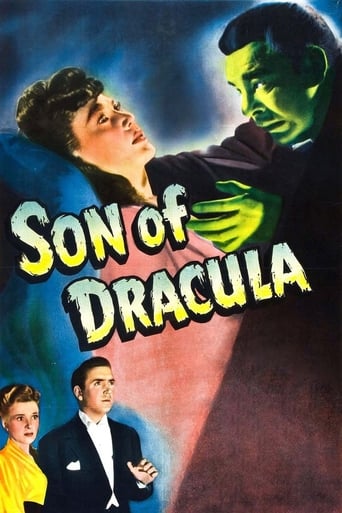
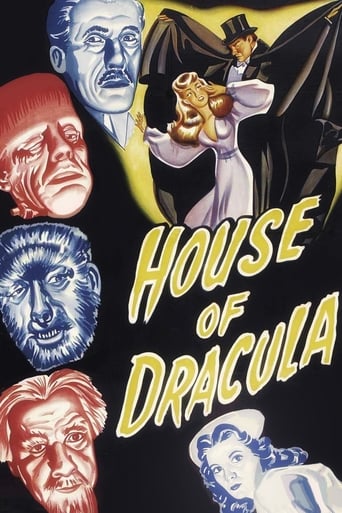
Demand had not gone away. A 1938 double-bill reissue of Dracula and Frankenstein played to packed houses, and Universal went back into horror, now mostly through its cheaper units. Son of Dracula (1943) moved the vampire to the American South with Lon Chaney Jr. in the role, and House of Dracula (1945) was one of the studio's "monster rally" pictures, built around several of its characters at once and made by much the same crew as the one before it. By then the Count was a contract asset, recombined with the studio's other characters to fill programmes in the middle of the war boom, and the series ends there.