1970s SCI-FI
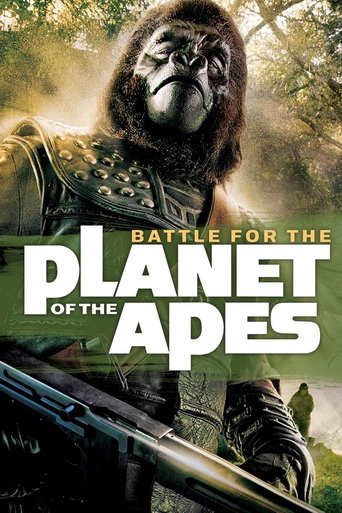
193 films See all 193 films ↓Science fiction from the decade in which it moved from the edge of the industry to its centre. The decade began in the shadow of 2001: A Space Odyssey and Planet of the Apes (both 1968), which had shown that the genre could earn prestige and money. Fox ran four Apes sequels through 1973, each made more cheaply than the one before.
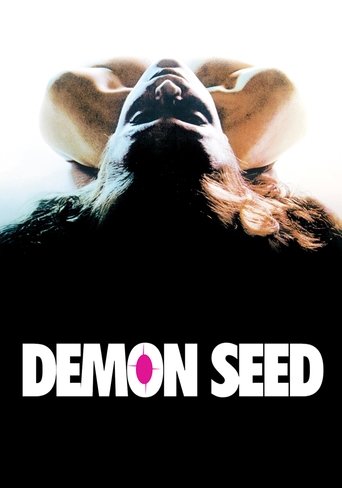
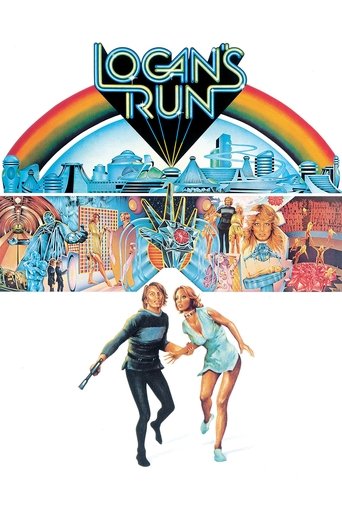
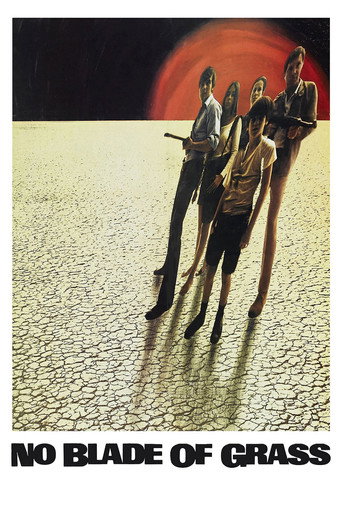
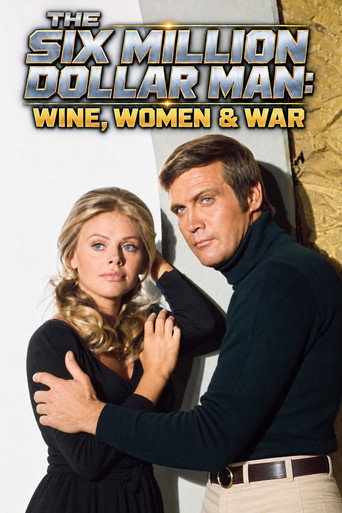
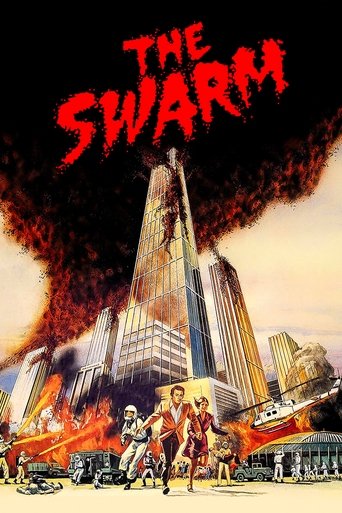
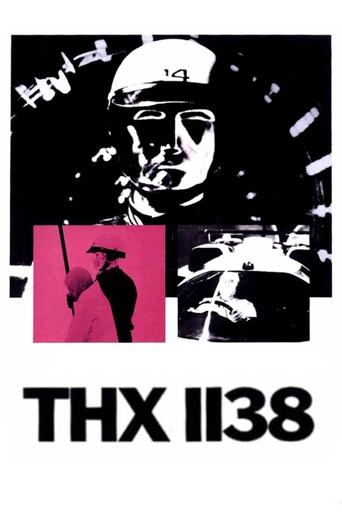
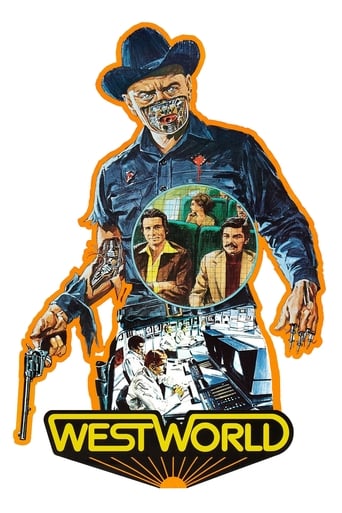
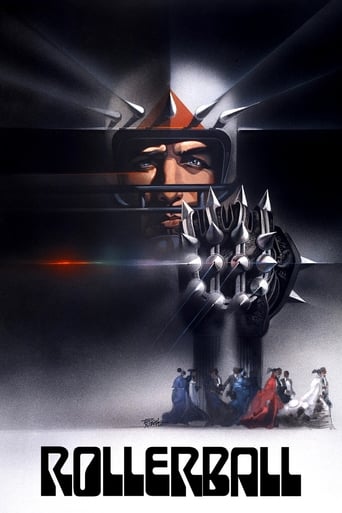
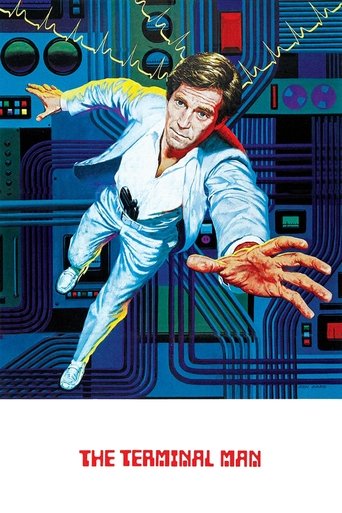
Hollywood was in deep financial trouble between 1969 and 1971, and the science fiction it could afford was mostly about the present's anxieties projected forward: overpopulation and famine in Soylent Green, ecological collapse in Silent Running and No Blade of Grass, machines taking control in Colossus: The Forbin Project and Demon Seed, and managed, pacified societies in THX 1138, Westworld and Logan's Run. Below the studios, exploitation producers turned the same fears into drive-in product, above all the nature-strikes-back cycle of killer frogs, rabbits, ants, bees and spiders. American television, which was then making its own feature-length films every week, produced pilots and movies of the week such as The Six Million Dollar Man and The Questor Tapes.
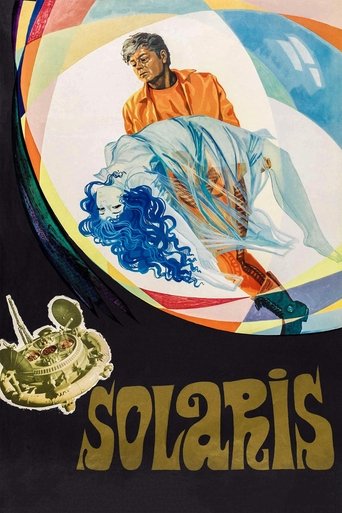
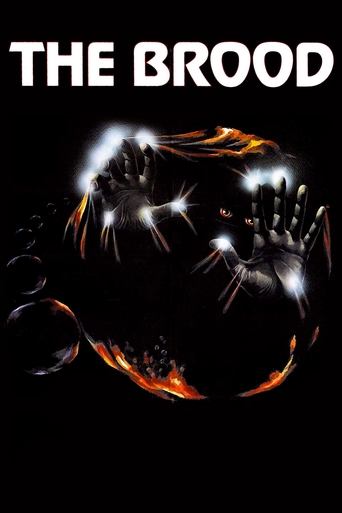
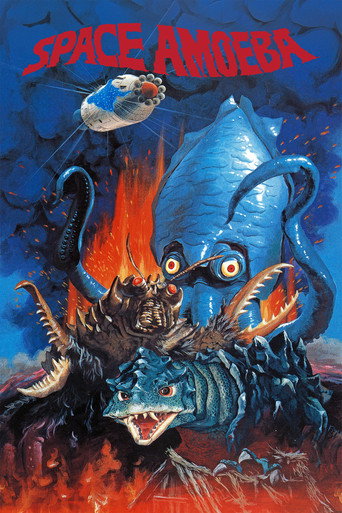
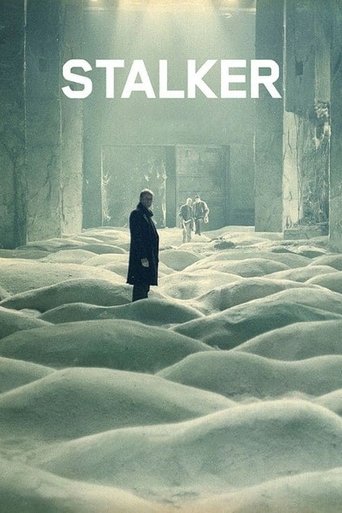
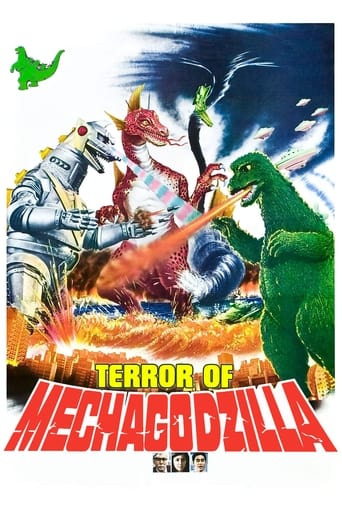
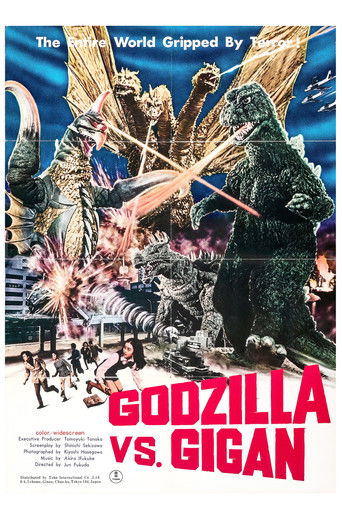
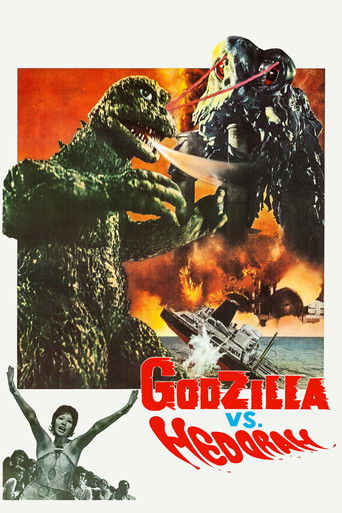
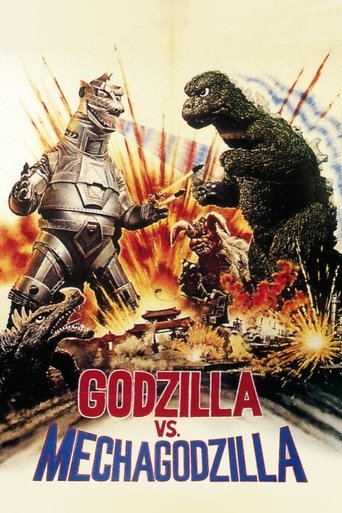
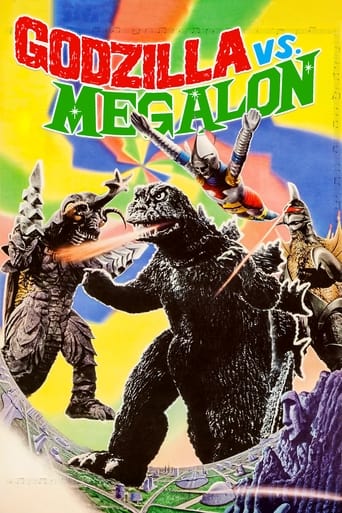
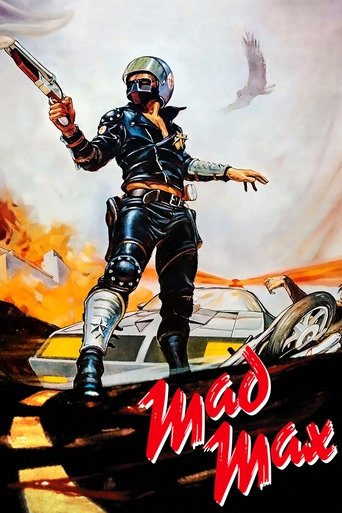
Other countries' film systems produced a different kind of science fiction. Canada's tax-shelter rules and its state film development agency funded David Cronenberg's first commercial features, Shivers, Rabid and The Brood. Australia's new state-supported industry produced Mad Max on a tiny budget, and it earned a fortune abroad. Japan's studios continued their monster series, and the Soviet and Eastern European industries made Tarkovsky's Solaris and Stalker, East German space adventures and the Franco-Czech animated Fantastic Planet.
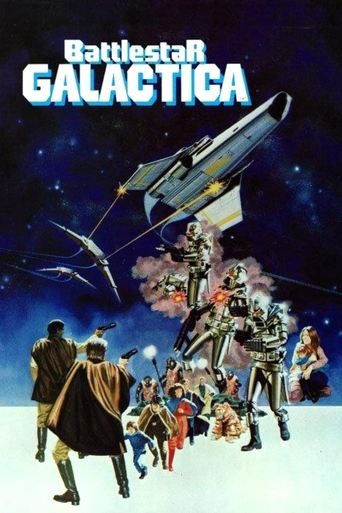
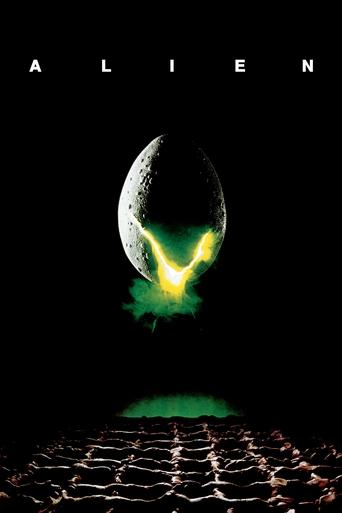
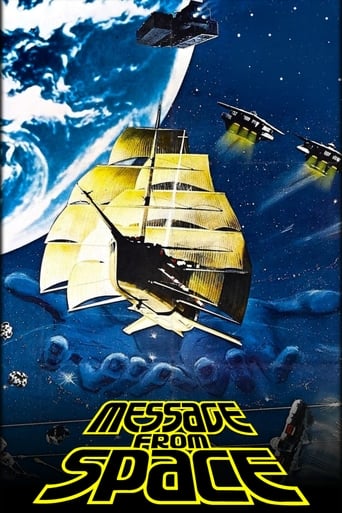
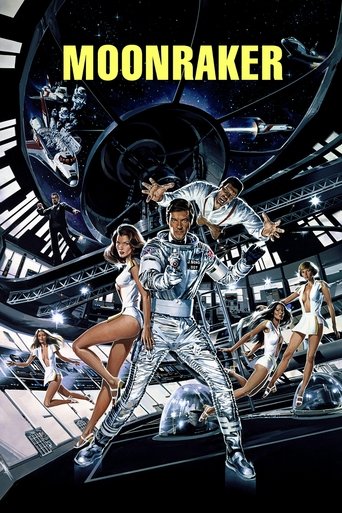
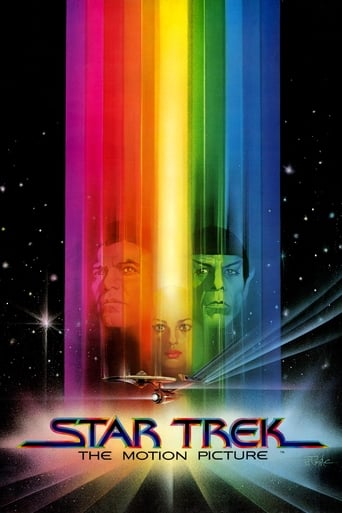
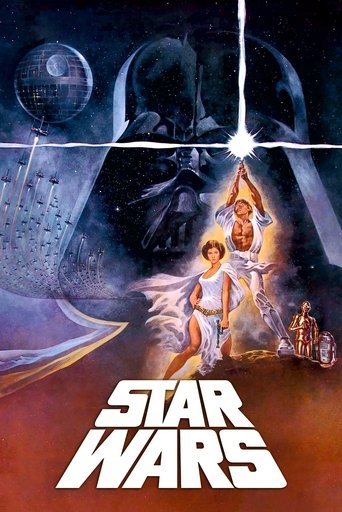
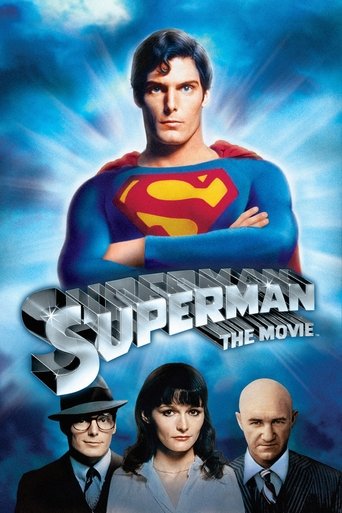
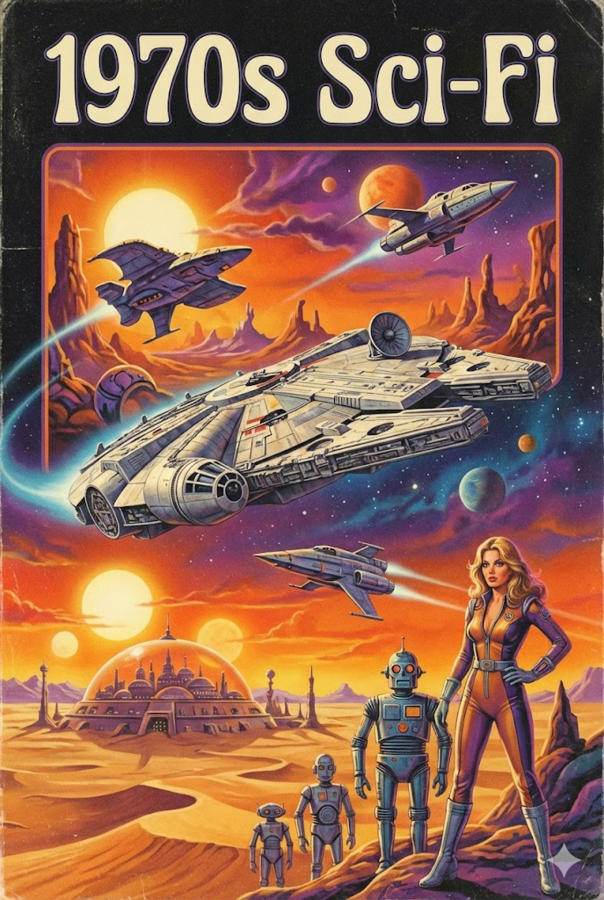
Then Star Wars (1977), made by Fox for about $11 million, became the highest-grossing film ever made and showed that merchandise could earn as much as tickets. The studios followed with Close Encounters of the Third Kind, Superman, Star Trek: The Motion Picture and a Bond film sent into orbit. Italian and Japanese producers rushed out imitations like Starcrash and Message from Space, and Universal's Battlestar Galactica drew a lawsuit from Fox. By 1979, when Alien combined the new effects technology with horror, science fiction had become what it has remained since: the main genre for big-budget Hollywood production.