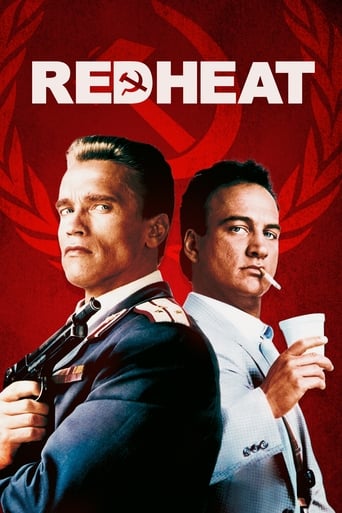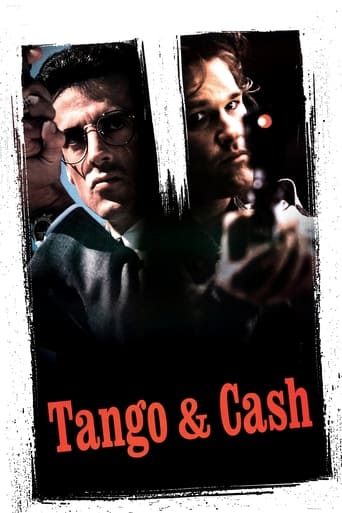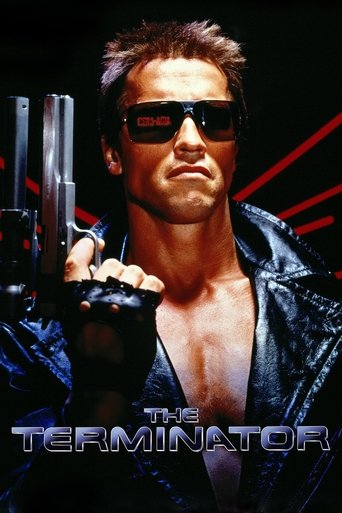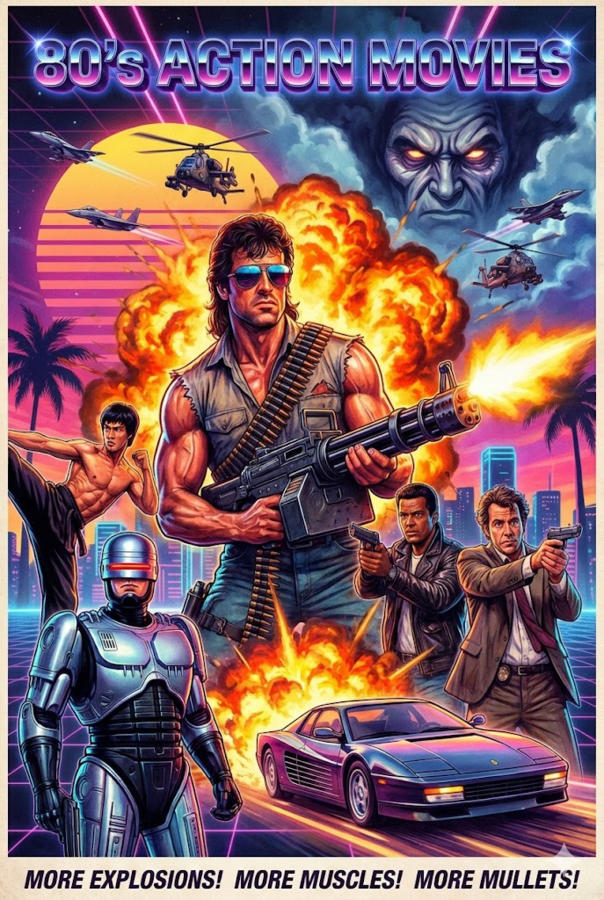
80s Action Movies
180 films See all 180 films ↓The 1980s action film was shaped as much by a new way of financing films as by any change in taste. At the start of the decade fewer than one American household in ten owned a videocassette recorder; by 1988 more than six in ten did, and rental shops needed thousands of new titles a year. Cable channels and overseas distributors were hungry for the same product. Action was the genre that sold best in every one of those markets, because a car chase, a fistfight and a muscular star need no translation.
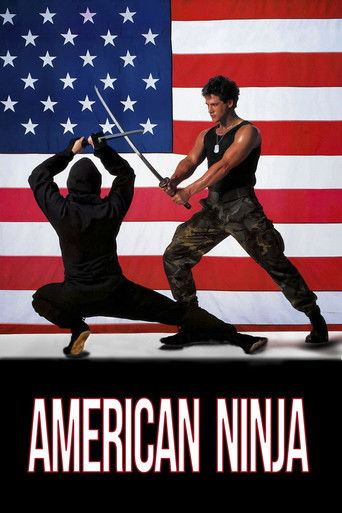
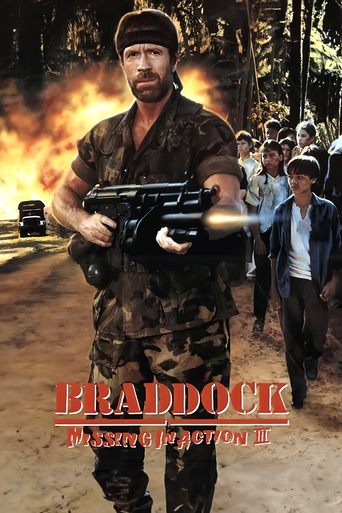
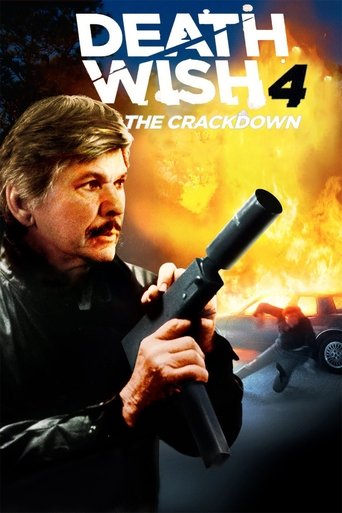
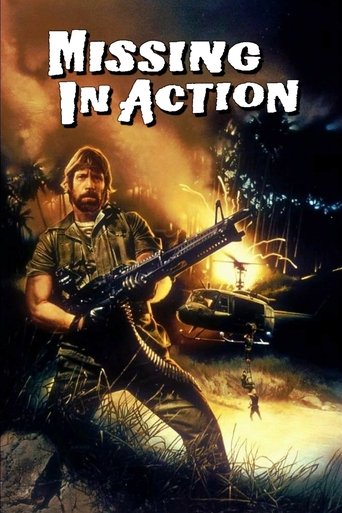
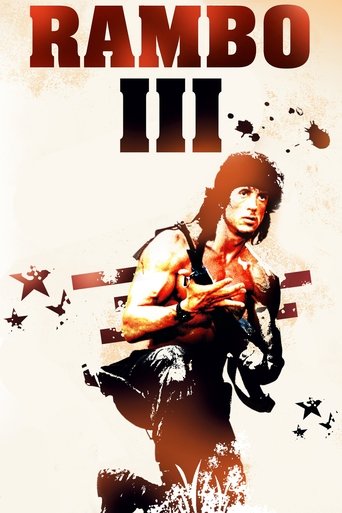
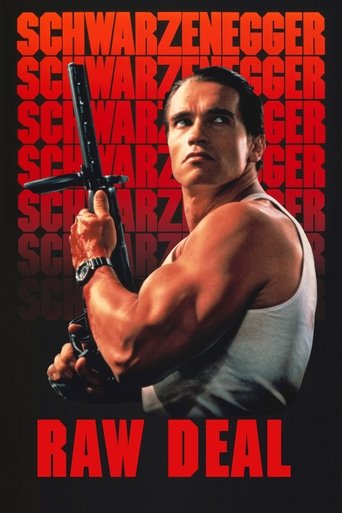
Cannon Films, bought for about half a million dollars in 1979 by the Israeli cousins Menahem Golan and Yoram Globus, built a business on that demand. They kept most budgets under $5 million and pre-sold the video, cable and foreign rights before shooting, so many of their films were in profit before they reached American cinemas. The company's output defines a whole layer of this collection: Chuck Norris in Missing in Action, Invasion U.S.A. and The Delta Force, Charles Bronson's Death Wish sequels, and Enter the Ninja and American Ninja. Carolco followed the same pre-sale logic at a much higher price with Rambo.
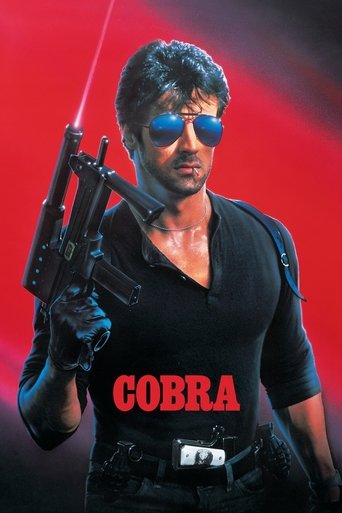
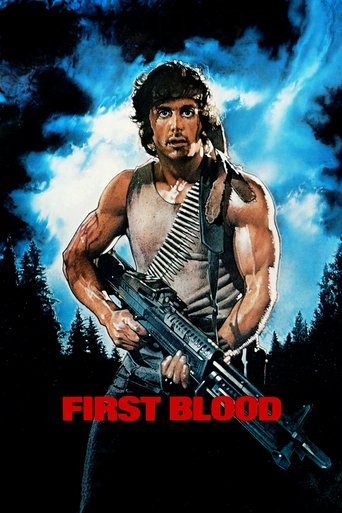
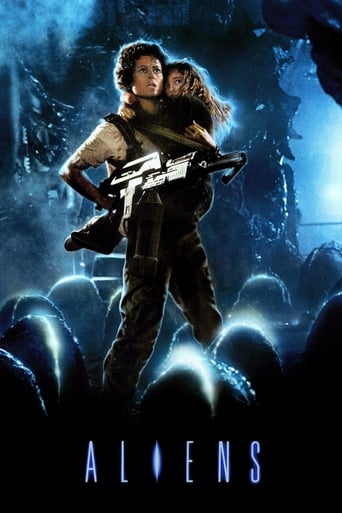
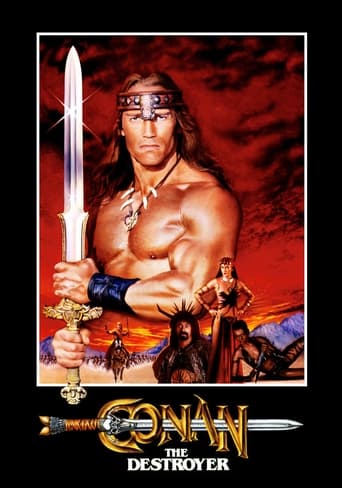
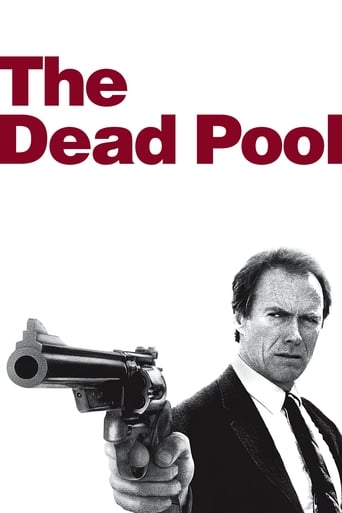
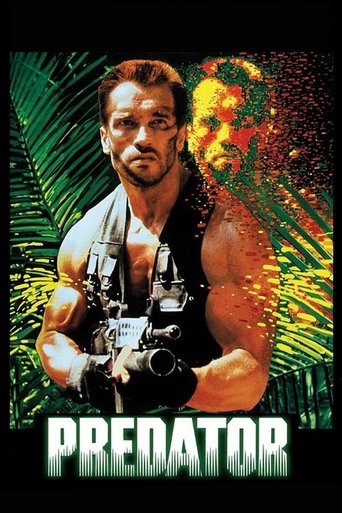
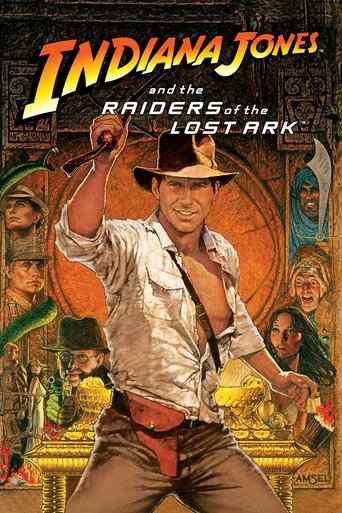
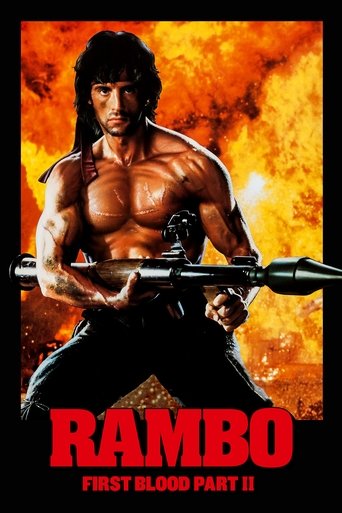
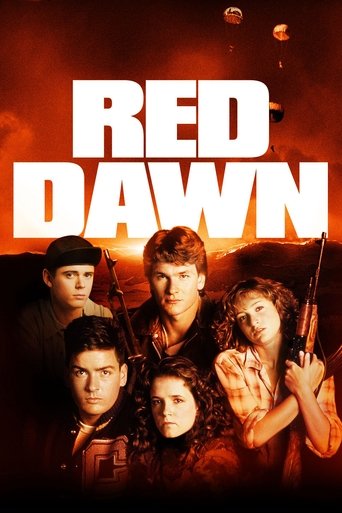
The content was shaped by its moment. Reagan-era America replayed Vietnam as a rescue mission in Uncommon Valor, Missing in Action and Rambo: First Blood Part II, imagined Soviet invasion in Red Dawn and Invasion U.S.A., and gave the vigilante cop a long run in Cobra, Sudden Impact and the Death Wish films. The bodybuilder star, Stallone or Schwarzenegger, suited a global market because he did his talking with his body. The studios answered with bigger spectacles of their own, from Raiders of the Lost Ark to Aliens and Predator, and by 1988 Die Hard was already putting a vulnerable everyman in place of the invulnerable hero.
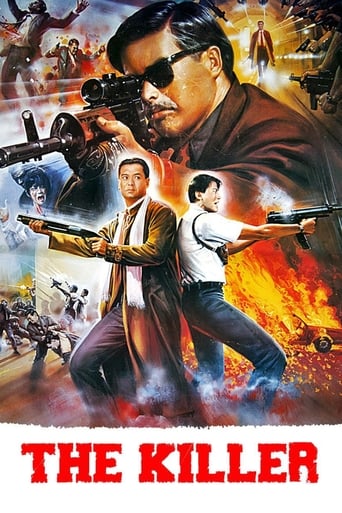
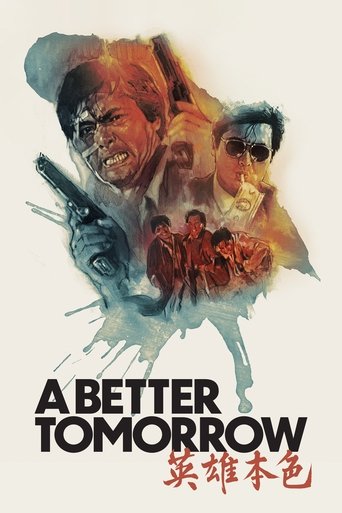
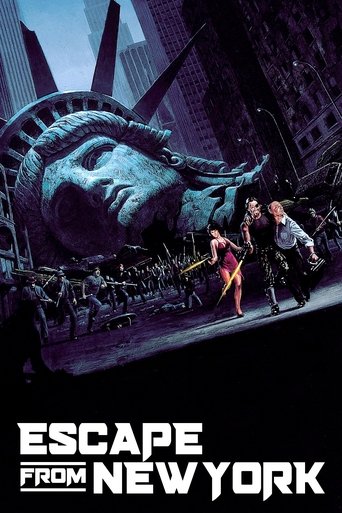
The other centres of production are here too. Italian producers turned out cheap copies of each American hit (Escape from the Bronx, 2019: After the Fall of New York, Yor), as did Indonesian and Filipino exploitation houses. Hong Kong, as the Shaw Brothers studio wound down its film production, moved from the kung fu costume picture to John Woo's contemporary gangster films, A Better Tomorrow and The Killer, whose stylised gunfights would reshape Hollywood action in the following decade.