FANTASY MOVIES (ALL TIME)
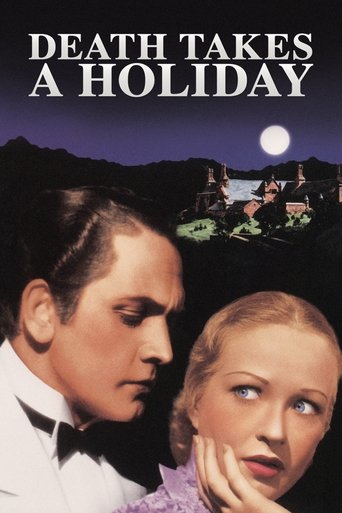
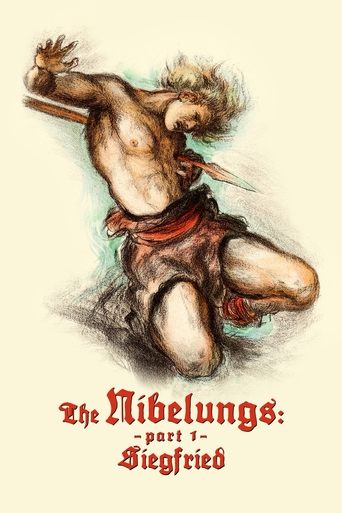
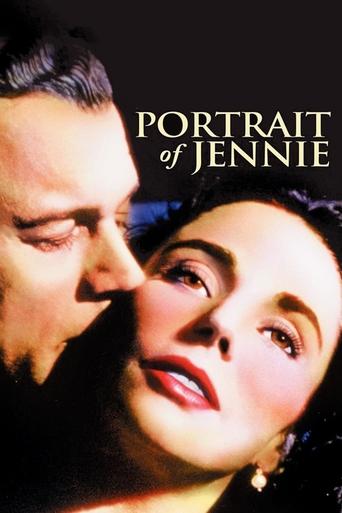
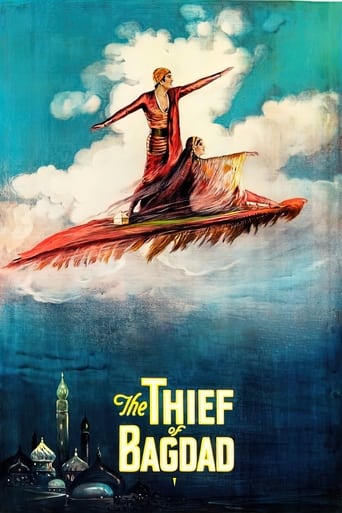
326 films See all 326 films ↓Fantasy is the genre in which a film's budget is most visible on screen. Its whole promise is to photograph what does not exist, and that has always had to be paid for in sets, machinery, labour and time. In the silent era it was a prestige product for whoever controlled the means of making it: Fritz Lang's Die Nibelungen: Siegfried was built on German studio stages as a national epic, while in Hollywood Douglas Fairbanks produced The Thief of Bagdad (1924) himself and released it through United Artists, the company he had co-founded so that stars could own their own pictures. Through the sound era the cheaper fantasy was the moral or romantic kind, ghosts, angels and borrowed time in Death Takes a Holiday, Liliom and Portrait of Jennie, where a superimposition and careful lighting did the work.
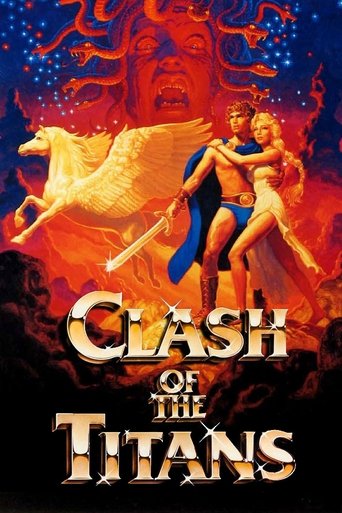
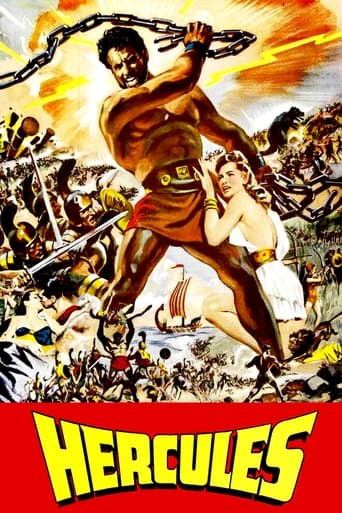
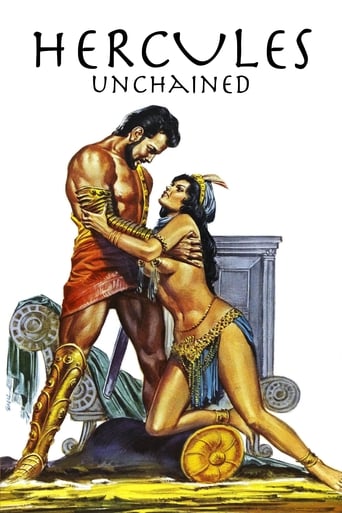
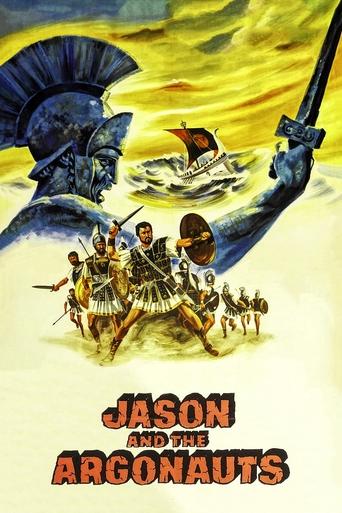
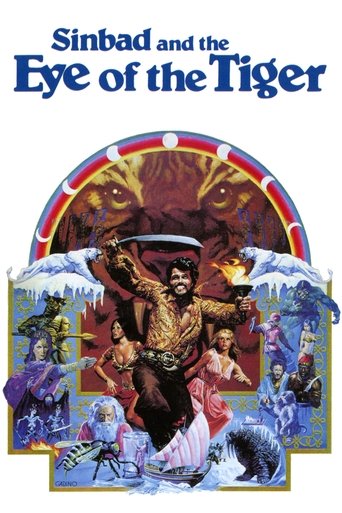
After the war, two very different business models turned fantasy into a dependable commercial genre. Producer Charles Schneer and animator Ray Harryhausen shot The 7th Voyage of Sinbad (1958) on location in Spain, then spent months animating its creatures frame by frame, and Schneer branded the process "Dynamation" so that a slow, labour-intensive craft could be sold as a new screen miracle. Columbia's release was among the year's biggest earners, and the same method carried through Jason and the Argonauts, Sinbad and the Eye of the Tiger and Clash of the Titans. Italy, meanwhile, found that mythology could be manufactured cheaply and in volume. Pietro Francisci's Hercules (1958) cast an American bodybuilder for international saleability; the independent distributor Joseph E. Levine bought the US rights for about $120,000, spent more than a million dollars on advertising, and opened it in several hundred theatres at once, a saturation release the major studios later made standard practice. The film sold some 66 million tickets worldwide, 31.5 million of them in the Soviet Union, and its sequel Hercules Unchained led a flood of sword-and-sandal imitations.
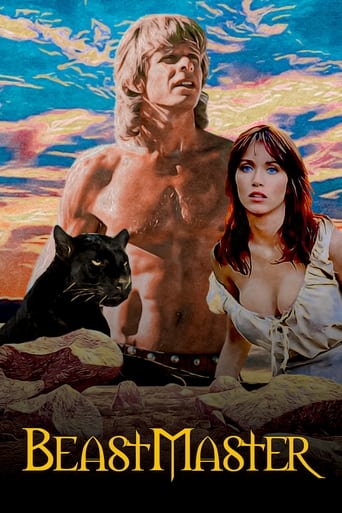
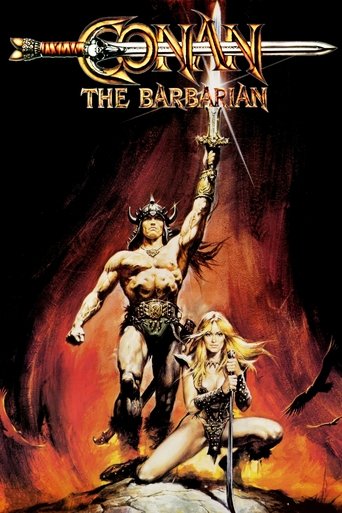
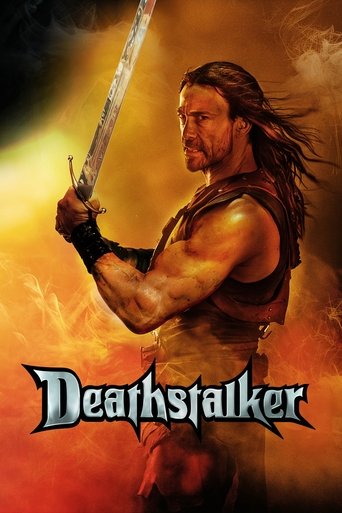
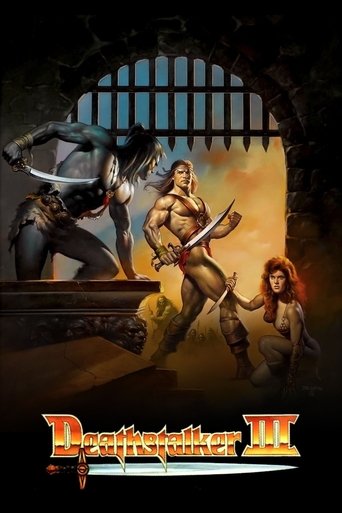
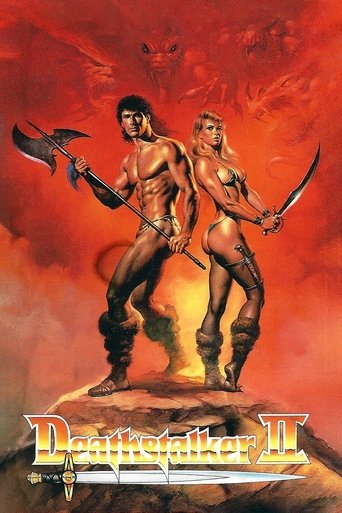
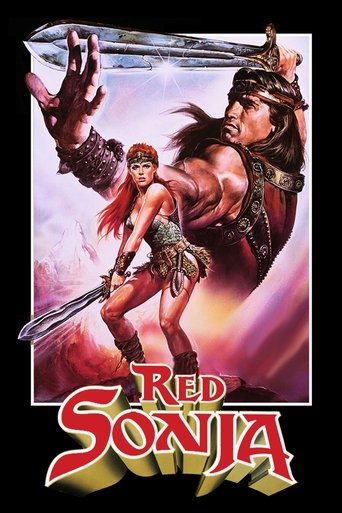
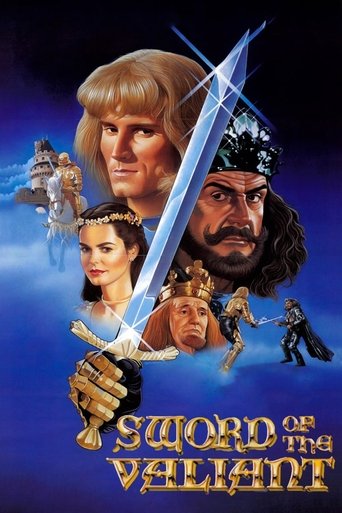
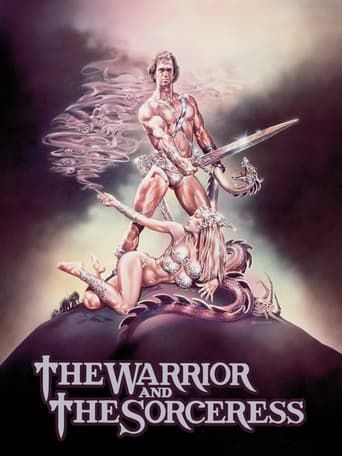
The 1970s and 80s split the genre between the studio lot and the video shelf. In Hong Kong the Shaw Brothers turned martial-arts novels into sorcery-laden wuxia on their own backlot, in films like The Battle Wizard, The Web of Death and Full Moon Scimitar. In the West the success of Conan the Barbarian (1982) set off a sword-and-sorcery rush aimed largely at cable and home video. Roger Corman found the cheapest version of it in Argentina, where a collapsing domestic industry, a favourable dollar-to-peso exchange rate and Aries Cinematográfica's ownership of its own studios made a long run of co-productions possible. Deathstalker, The Warrior and the Sorceress and Barbarian Queen were shot there with Argentine crews and deliberately scrubbed of anything identifiably Argentine, so they could be sold anywhere.
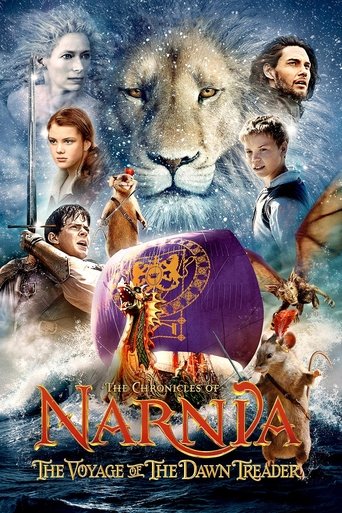
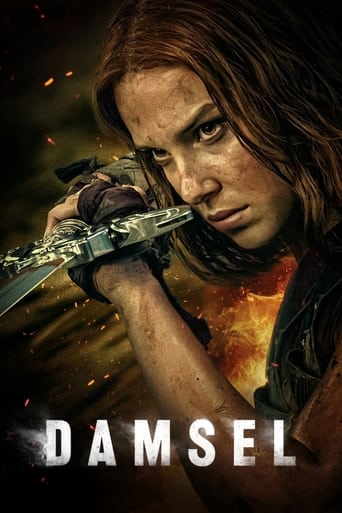
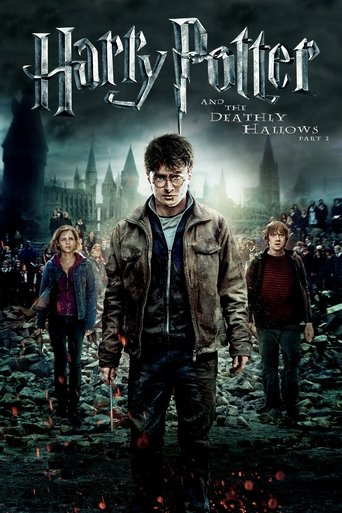
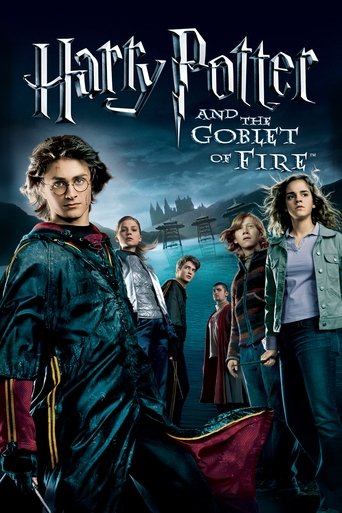
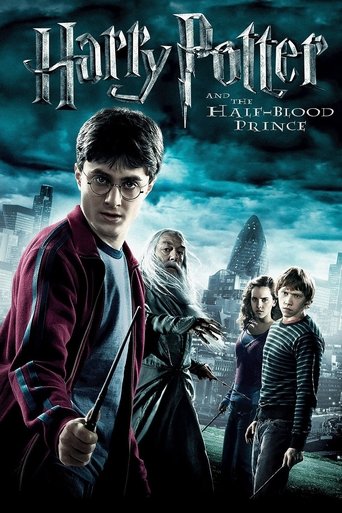
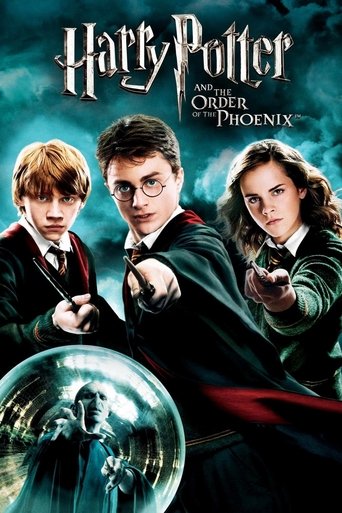
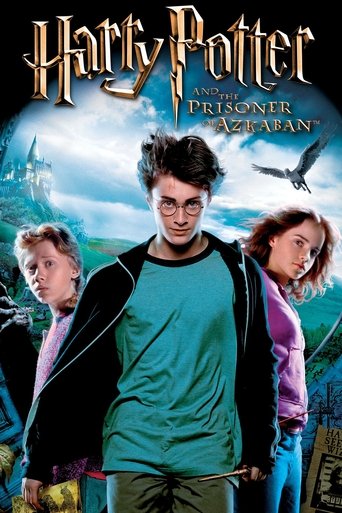
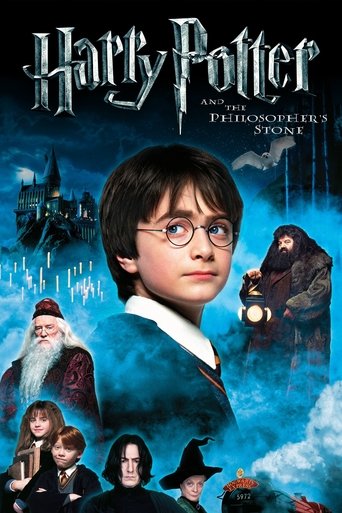
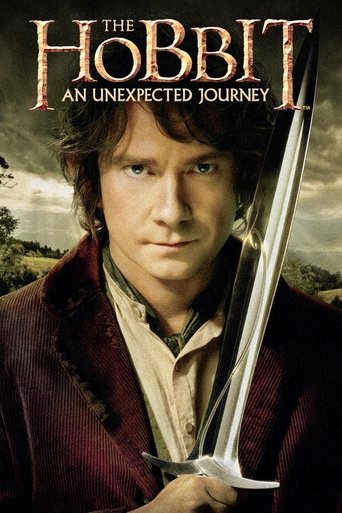
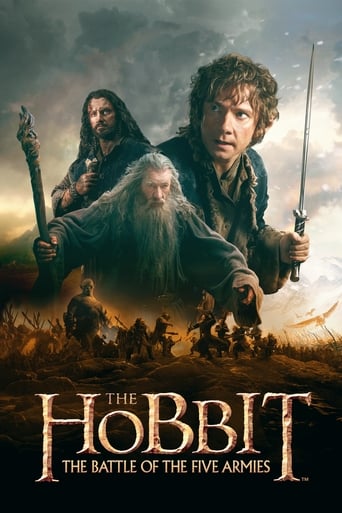
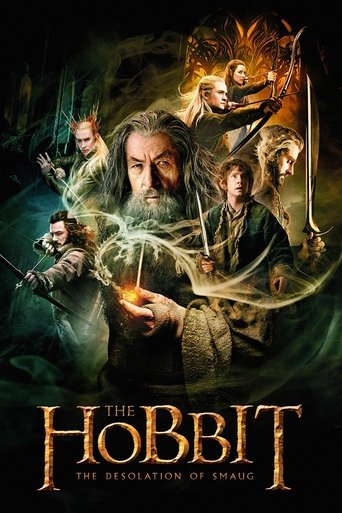
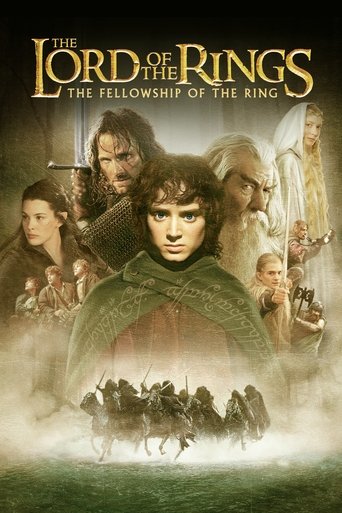
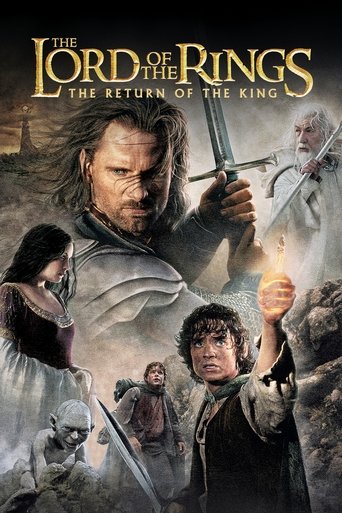
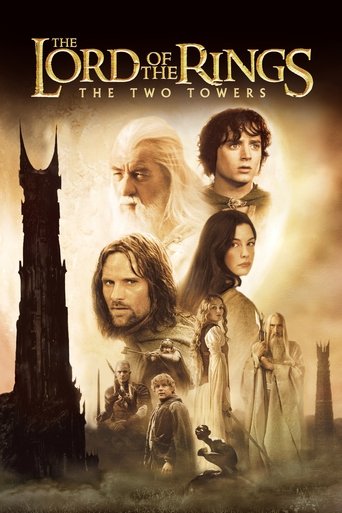
From 2001 the genre moved to the centre of the industry. Digital effects lowered the cost of the impossible just as studios learned to serialise pre-sold literary properties into multi-year slates: Tolkien for New Line, Rowling for Warner Bros., C. S. Lewis for Walden Media. A single acquisition could now anchor a decade of releases and spin-offs, and that scale brought leverage. In 2010, during a dispute with the actors' union, Warner Bros. let it be known that The Hobbit could leave New Zealand; the government added NZ$33.5 million in subsidies and, under urgency, passed a law fixing film workers as independent contractors rather than employees. By the 2020s the streaming services were commissioning fantasies of their own, Damsel among them, as catalogue to hold subscribers rather than as box-office events.
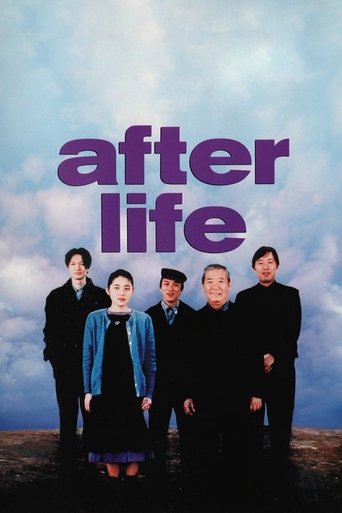
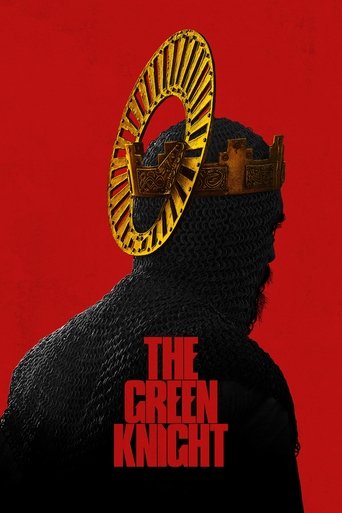
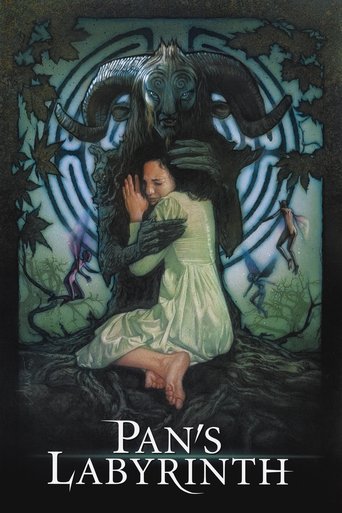
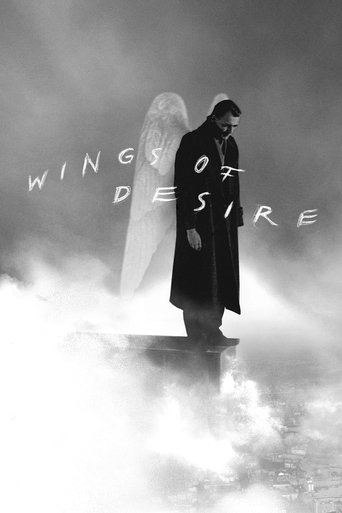
Underneath all of this runs a cheaper tradition that needs no machinery at all: the art-cinema fable, where the uncanny is staged with actors, framing and editing. Death plays chess on a beach in The Seventh Seal, angels listen in on Berlin in Wings of Desire, the newly dead choose a single memory to keep in After Life, and a girl in 1940s Castile goes looking for Frankenstein's monster in The Spirit of the Beehive. Its descendants, Pan's Labyrinth, The Green Knight and A Ghost Story among them, show that the genre's two economies still run side by side: one spends hundreds of millions to make the unreal look solid, the other spends very little and asks the audience to do the work.