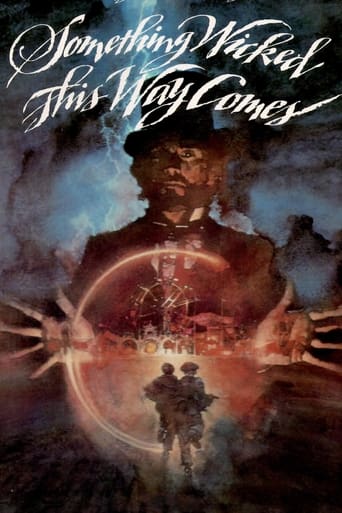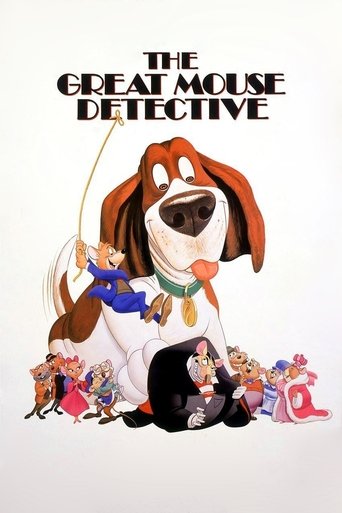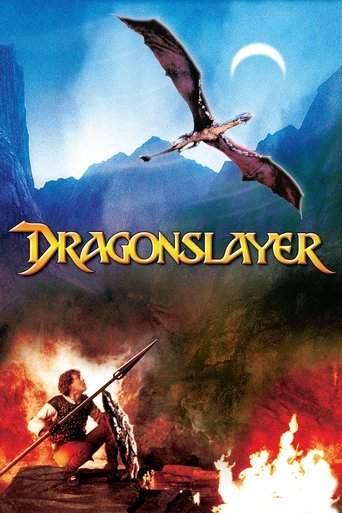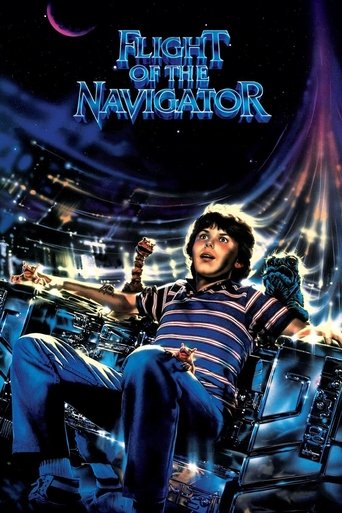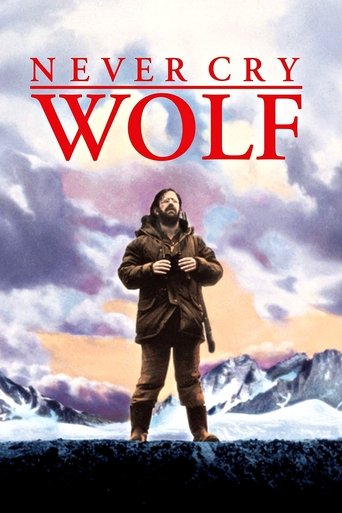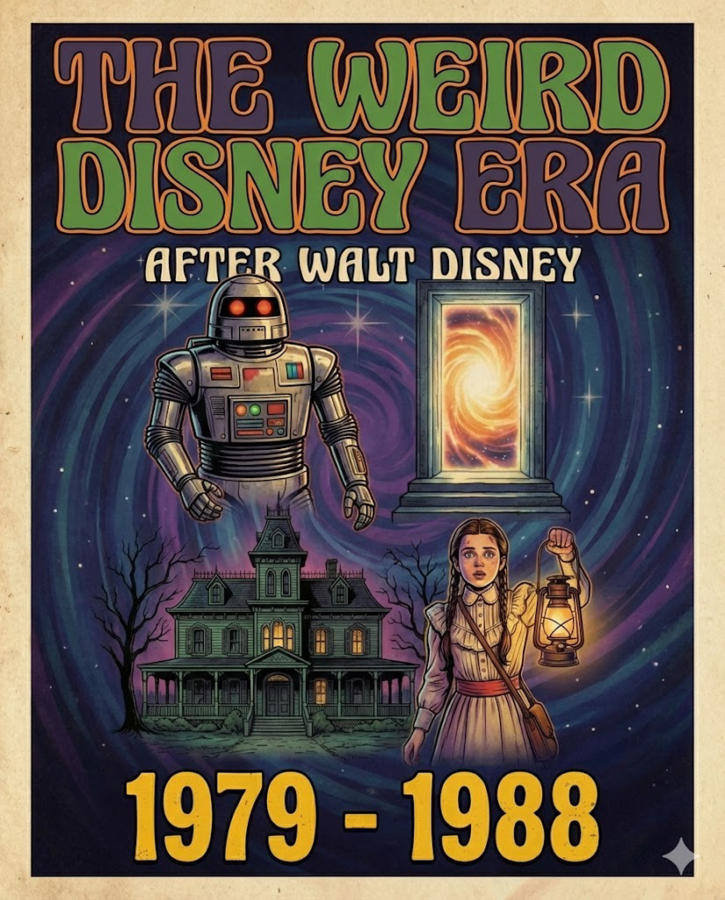
Weird Disney Studios Period (1979 - 1988)
18 films See all 18 films ↓Walt Disney dies in 1966. The film studio that had been completely under his control for decades suddenly loses the lens through which everything focused. There's still plenty in the pipeline — enough to carry the studio most of the way through another decade on momentum, basic retreads, and combinations of previous successes. But the crack shows early, and it shows in the one place you'd least expect defiance: the animation department, the most devoted keepers of the Walt Disney gospel. In 1973, Robin Hood is widely considered the studio's creative low point. And in 1979 — the same year this collection opens — a director named Don Bluth quit, and took a chunk of the department with him.
The Bluth exodus is worth knowing in some detail, because the irony in it cuts right to the center of what this collection is actually about. Bluth and his colleagues didn't leave because Disney had gotten too safe under Walt's shadow — they left because they felt Disney had already betrayed that shadow, trading the labor-intensive, emotionally dangerous "Golden Age" style of Snow White and Pinocchio for cheaper, lighter, more cautious work. Bluth's own explanation for the paralysis he was fleeing: "Everyone was asking 'What would Walt have done?' Which is a strange thing for an artist to say." Internally, September 13, 1979 became known as Black Friday — somewhere between a sixth and a quarter of the animation department walked out in one day, and the loss delayed The Fox and the Hound by six months. So the vacuum this collection lives inside wasn't one thing. It produced a faction that wanted to freeze Walt in amber and rebuild exactly what he'd left behind, and, at the very same moment, a live-action division about to do something closer to the opposite: openly, nervously experiment with being something Walt himself had never quite let the studio be.
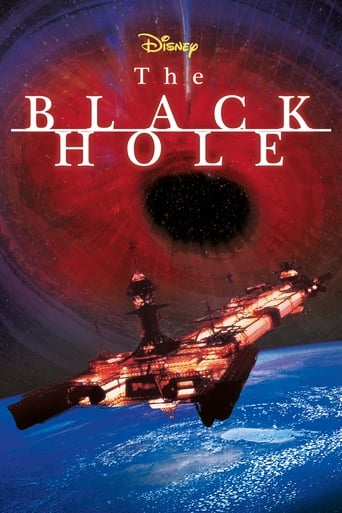
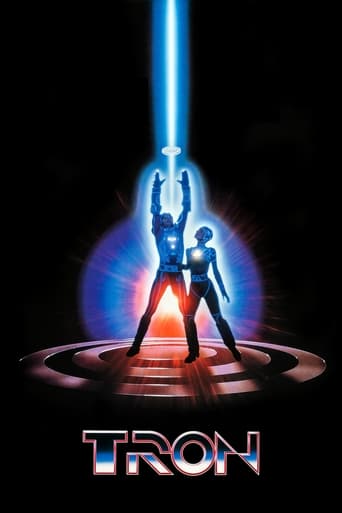
That live-action push had a name and a face, and it matters that it did: Ron Miller, president from 1980 and CEO from 1983 — Walt's own son-in-law, married to his daughter Diane. Miller is personally behind nearly everything in this collection: he championed The Black Hole and Tron, funded a young, then-unknown Tim Burton's early stop-motion shorts Vincent and Frankenweenie, and kept pushing the studio toward material it had never touched. He told a story, more than once, about why: one night Walt called him over to watch a screening of To Kill a Mockingbird, and afterward said, "Damn. I wish I could make a film like that. But he couldn't." Miller spent years trying to make the film his father-in-law had privately wanted to make and never dared to. That's not a son defying his father's taste. That's a son-in-law trying to finish a sentence Walt himself left hanging — the shadow here wasn't a metaphor, and neither was the guilt.
It also wasn't reckless. In 1984, rather than releasing an adult-skewing romantic comedy under the Walt Disney Pictures name directly, Miller created an entirely separate label, Touchstone Pictures, specifically so Disney's core brand wouldn't be attached to it. Splash, Touchstone's first release, was a hit. The experiment wasn't "let's be Disney but darker" so much as "let's build a side door so the real name stays clean" — angry and excited to step outside the boundary, and still not quite willing to put Walt's own name directly on the risk.
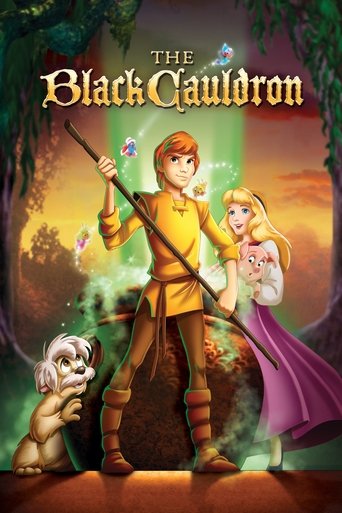
The ending of this era is sharper and more dramatic than "the well ran dry." In the spring of 1984, corporate raider Saul Steinberg came after Disney's stock, and the board paid an extremely expensive sum to make him go away, a decision that drew shareholder lawsuits and made the whole company look vulnerable. That August, while Miller was still publicly championing The Black Cauldron — the most expensive animated film Disney had ever made, and a flop when it opened months later — the board was already turning on him. In September 1984, Miller was forced out. The person who led that boardroom coup was Roy E. Disney: Walt's own nephew. In Miller's place came three total outsiders — Michael Eisner from Paramount, Frank Wells from Warner Bros., and Jeffrey Katzenberg — the team that would go on to build what's remembered as the Disney Renaissance. The company's very name changed two years later, from Walt Disney Productions to The Walt Disney Company, as if to formalize the point: a single founder's name no longer ran the place, for better or worse.
One small detail says almost everything about how this whole era was received while it was happening. Tron, probably the most technically audacious thing Disney made in these years, was disqualified from the Best Visual Effects Oscar entirely — the Academy ruled that using computers to help build the effects counted as cheating. It's hard to find a cleaner image of the position this collection occupies: ambitious enough to reach past what the studio, or the industry, thought it was allowed to do, and punished for exactly that reach rather than rewarded for it. By 1988, with Honey, I Shrunk the Kids making real money and The Little Mermaid already in motion to define the next several decades of Disney animation, the new regime had found its own answer to the identity question Miller had been asking more riskily and more strangely a few years earlier. The side quest into never-never land was over — but it happened because a man trying to finish his father-in-law's unfinished sentence got removed by his father-in-law's own nephew, mid-sentence, and that's a story almost nobody tells about this decade.