Andrew Niccol
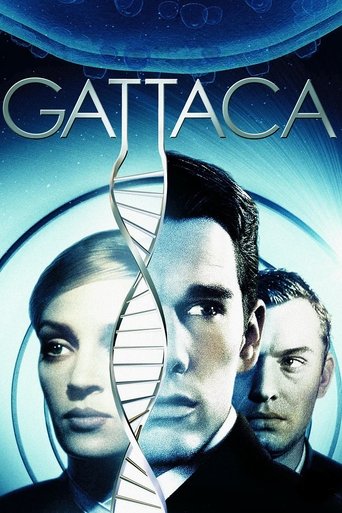
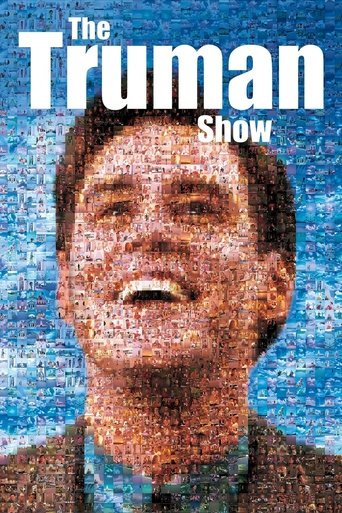
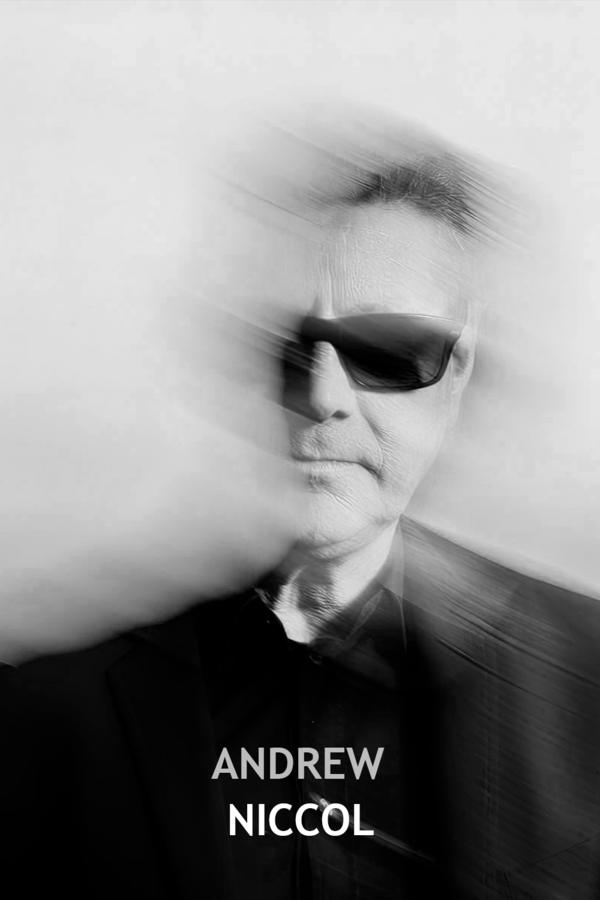
8 films See all 8 films ↓The writing and directing order here is backwards from how it looks. Niccol actually wrote The Truman Show first, but because it came with a bigger budget and a major star attached once Jim Carrey signed on, the producer wasn't willing to gamble on a first-time director — so Peter Weir took it instead, and Niccol's actual directorial debut ended up being Gattaca, a script he'd written second.
What makes The Truman Show worth knowing more about is how much darker Niccol's original draft was before Weir lightened it. The story wasn't set in an idealized small town but an alternate New York City, and included a scene where an innocent bystander gets mugged on the subway specifically to test Truman's courage, a platonic relationship with a prostitute Truman dresses up as his wife, and a drinking problem for the character that didn't survive into the final film — Niccol did sixteen separate rewrites to get it to the gentler version that got made. The premise's now-famous prescience about reality television is also a bit of a coincidence rather than deliberate satire: Niccol has said directly that no reality TV existed yet when he wrote it — The Real World premiered just after he finished the script. The whole idea came out of a personal, lifelong fear of his that he was constantly being watched, not a joke about an existing genre.
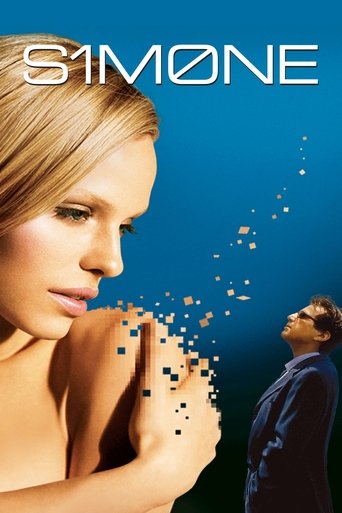
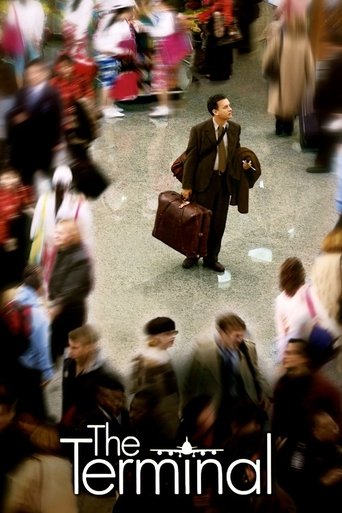
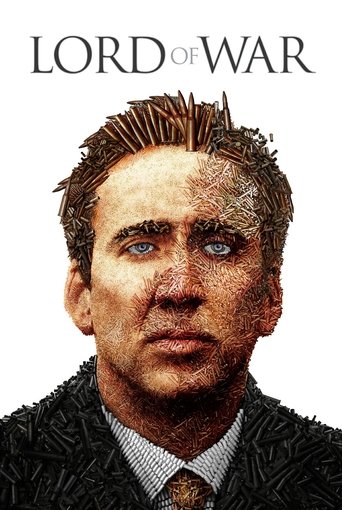
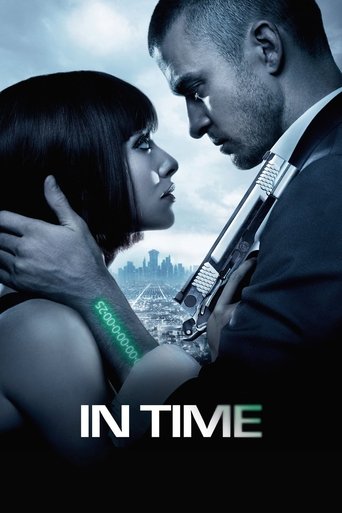
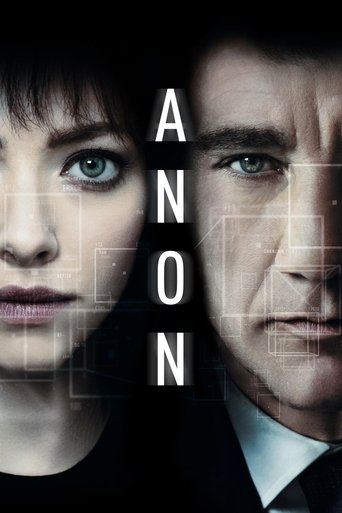
That same fixation — surveillance, manufactured reality, identity built or controlled by something outside the self — runs through nearly everything else here: genetic discrimination in Gattaca, a fabricated digital movie star in S1m0ne, a future where lifespan is literal currency in In Time, drone warfare in Good Kill, total surveillance with no remaining privacy in Anon. Niccol has called In Time "the bastard son of Gattaca" himself. The one real outlier in the set is The Terminal, where his involvement is a lot thinner than it looks: he has a "story by" credit alongside Sacha Gervasi, but the actual screenplay was substantially reworked by Gervasi and Jeff Nathanson before Spielberg directed it, and at least one contemporary review speculated that Niccol's original draft was reshaped by committee well beyond his own intentions. Lord of War, meanwhile, is explicitly his one deliberate break from all of this — his first film with no science-fiction premise at all.