Peter Weir
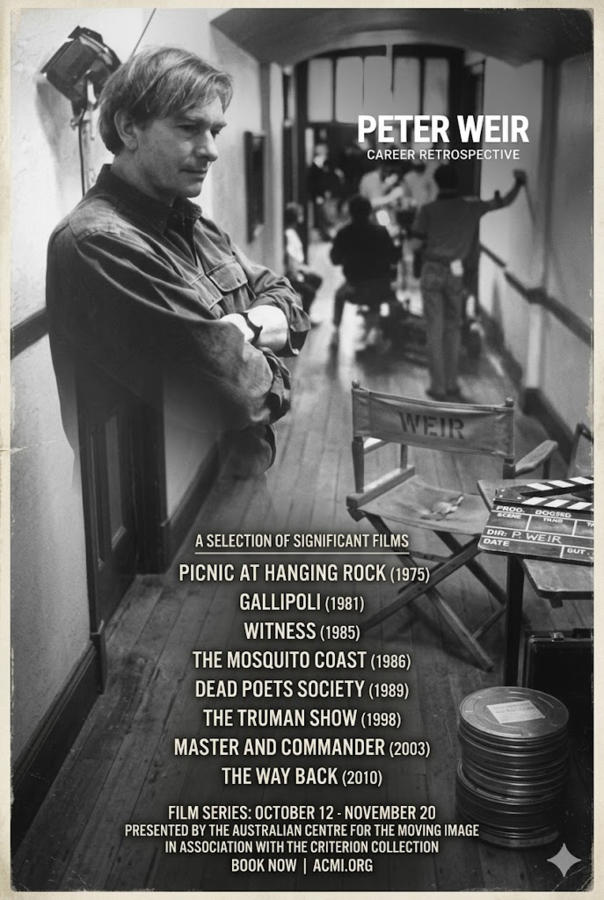
13 films See all 13 films ↓Every cinema feature Peter Weir directed, from The Cars That Ate Paris in 1974 to The Way Back in 2010. It is usually told as the story of a visionary moving from Australian mystery to Hollywood prestige, but the order of his films follows the money that paid for them, and that money changed three times.
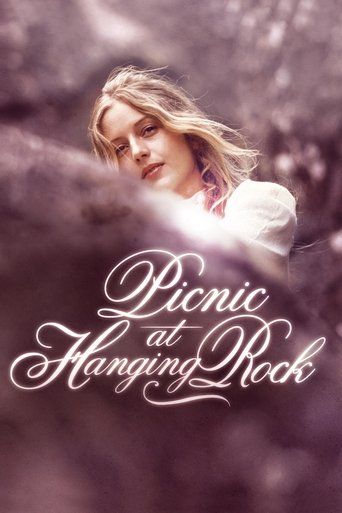
His first three features exist because an Australian government decided the country should have a film industry. Private investment in Australian features was close to nonexistent at the start of the 1970s, and the new federal and state film bodies set up under the Whitlam-era expansion of public culture filled the gap. Picnic at Hanging Rock is the textbook case. The federal Australian Film Development Corporation first turned down its $443,000 budget as too expensive, then agreed to fund a third, with the South Australian Film Corporation and the exhibitor Greater Union putting up the rest. Its success at home and abroad was used to justify the whole policy, and the slow, eerie, period style it shared with other state-funded films became known, half mockingly, as the "AFC genre."
Gallipoli (1981) marks the second shift. The South Australian Film Corporation, which had developed it, withdrew over the script. The film was made instead by R&R Films, a joint venture of Rupert Murdoch's News Corporation and the Robert Stigwood Organisation, which put in $2.8 million. It arrived just as the new 10BA tax scheme was moving Australian film finance from public agencies to private investors looking for tax deductions, and its nationalist Anzac story suited that moment.
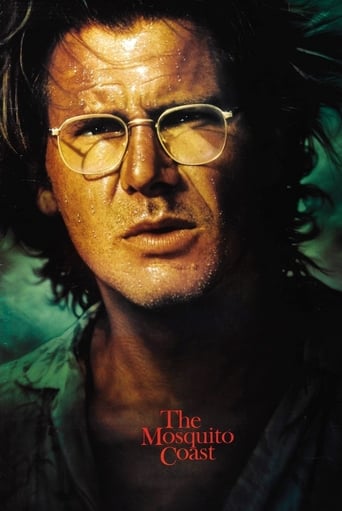
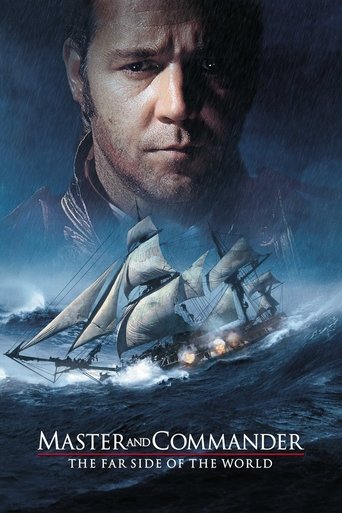
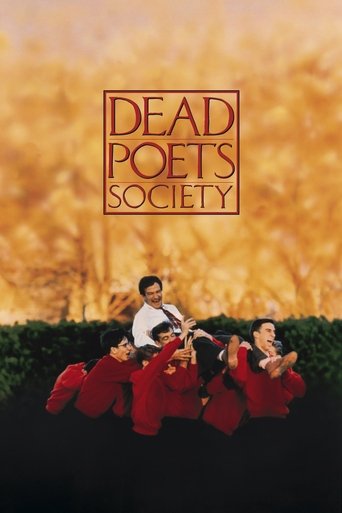
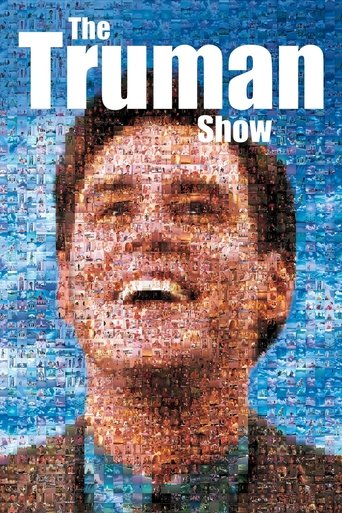
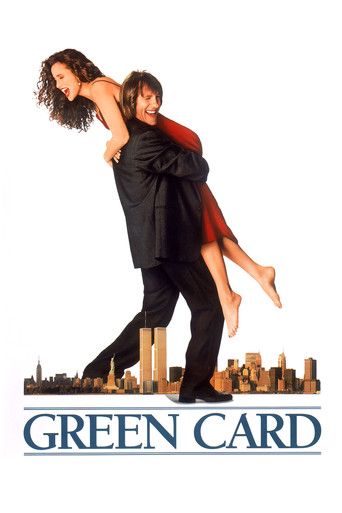
The third shift was to Hollywood. The Year of Living Dangerously was made for MGM, and Witness (1985) for Paramount, which earned him the first of his Oscar nominations as director and opened a run of American studio films: The Mosquito Coast, Dead Poets Society, Green Card, Fearless, The Truman Show and Master and Commander. The themes stayed steady across all three economies: outsiders, closed communities, and people who discover that the world they live in has been arranged by someone else. That last idea reached its fullest form in The Truman Show, a studio film about a man whose whole life is a commercial production.