Susan Sarandon
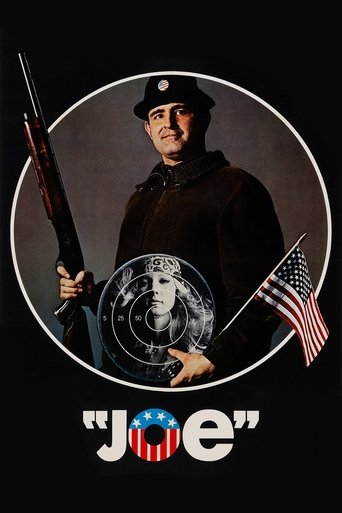
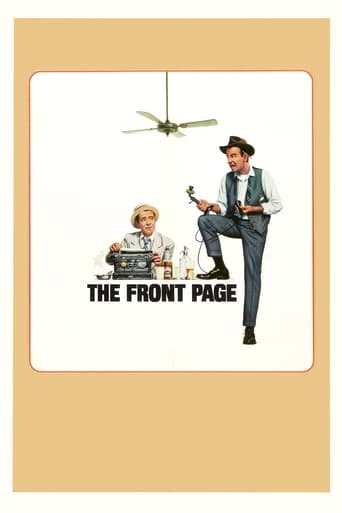
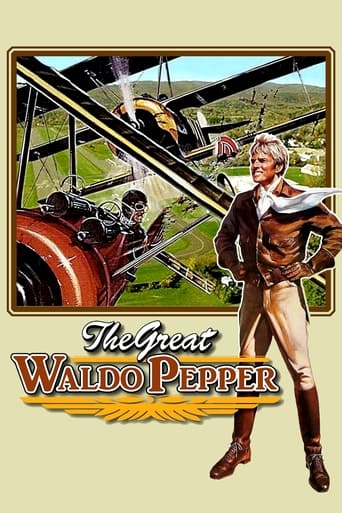
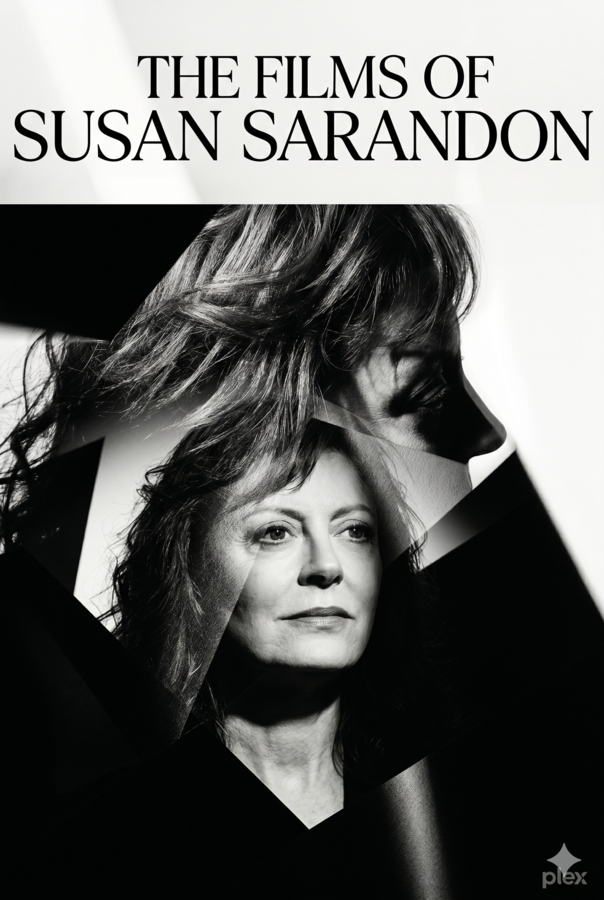
61 films See all 61 films ↓Susan Sarandon's film career began by accident and stayed outside the usual route. In 1969 she went along to a casting call for Joe with her husband, Chris Sarandon. He did not get a part, and she did. The film was a cheap, angry product of the backlash years, and by her own account it came from a company that had previously made only pornographic films, but it was a hit and it got her in the door. Soap operas paid the bills through the early 1970s, and The Front Page and The Great Waldo Pepper put her beside major stars without yet making her one.
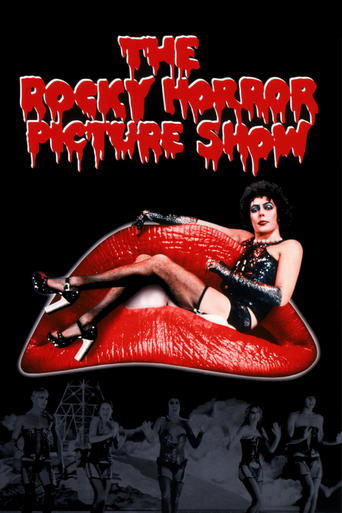
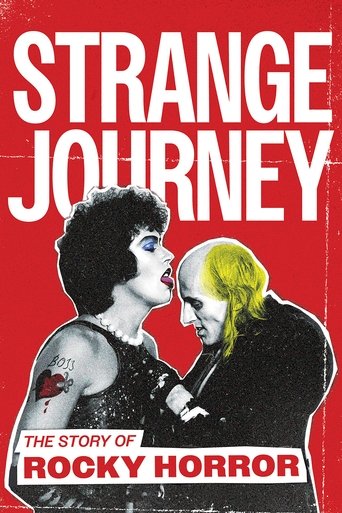
The Rocky Horror Picture Show looked like a mistake at the time. Her agents thought she was insane to do it, and she remembers a budget of about a million dollars and a freezing set where she caught pneumonia. Its later life on the midnight circuit made it one of the longest-running theatrical releases ever, sustained by audiences and not studio marketing, and Strange Journey: The Story of Rocky Horror tells that story here. Her reputation as a serious actress came from a different direction, through Louis Malle, whose Atlantic City brought her first Oscar nomination. The Hunger, Tempest and The Witches of Eastwick kept her working in the 1980s, though the conventional shape of a leading woman's career was already closing in.
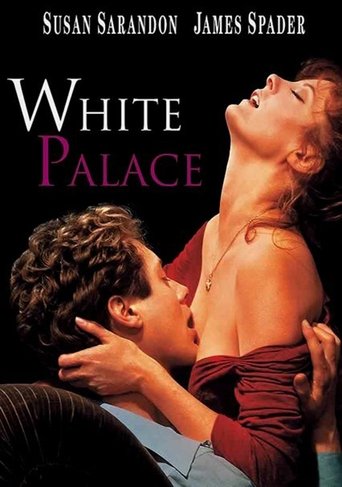
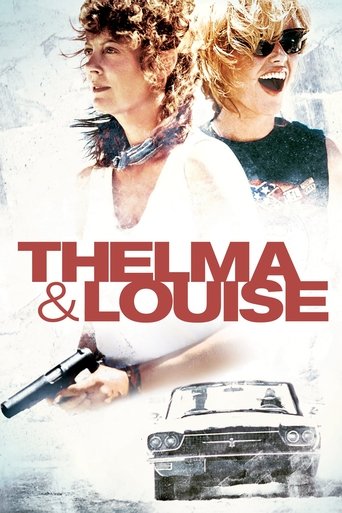
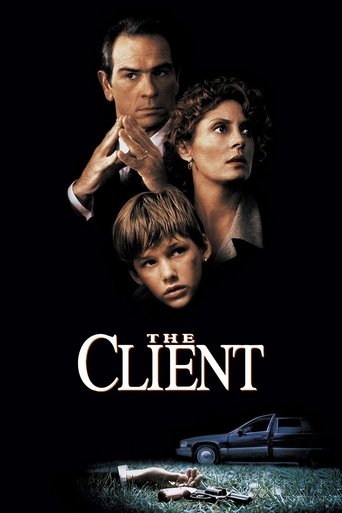
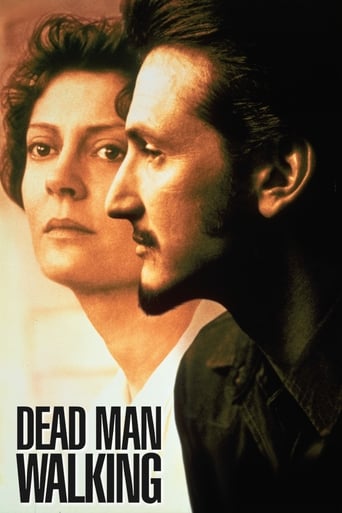
That is what makes the next stretch unusual. Hollywood has generally stopped offering women leading roles at about the age Sarandon began to get her best ones. She was past forty when Bull Durham made her widely bankable, and White Palace let her play an older woman with a younger lover, with neither the age nor the desire treated as a joke. Then came Thelma & Louise, the rare studio film built around two women, which became a national argument. She told Ridley Scott she did not want to make a revenge film and reshaped how Louise's act was played. Four Best Actress nominations followed in five years, for that film, Lorenzo's Oil and The Client, and finally a win for Dead Man Walking, directed by her partner Tim Robbins from Sister Helen Prejean's book.
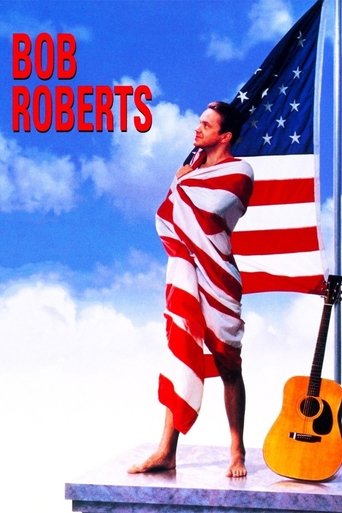
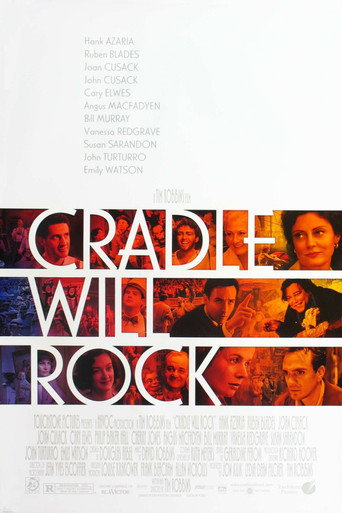
Her work with Robbins forms its own small body of film, running through Bob Roberts, Dead Man Walking and Cradle Will Rock, all political pictures made at a modest scale inside a commercial industry. Her public politics ran alongside them. At the 1993 Oscars the two used their time as presenters to speak about HIV-positive Haitian refugees held by the United States, and her activism has remained a visible part of her public life ever since, drawing admiration and hostility in about equal measure.
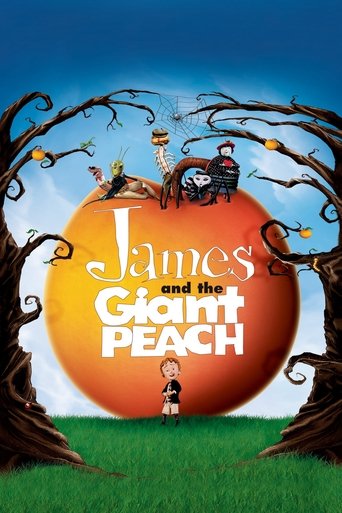
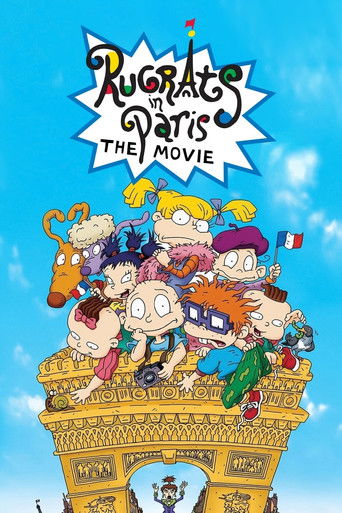
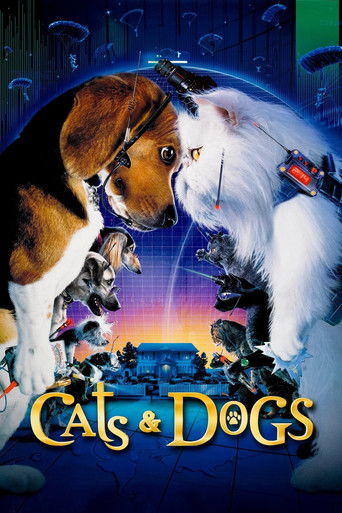
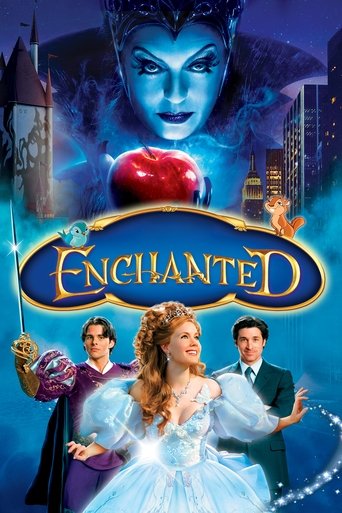
The later films show how an established actress keeps working once the lead roles thin out: voice work in Rugrats in Paris, Cats & Dogs and James and the Giant Peach, mothers and matriarchs from Stepmom and Igby Goes Down to The Meddler, villains in Enchanted, and supporting turns in Speed Racer, Cloud Atlas and Blue Beetle. Stepmom, which she also executive produced, shows the other change: an actress taking on some of the power to decide what gets made. Taken together, this is more than fifty years of a career that kept moving between the cult film, the prestige picture and the plain job of work.