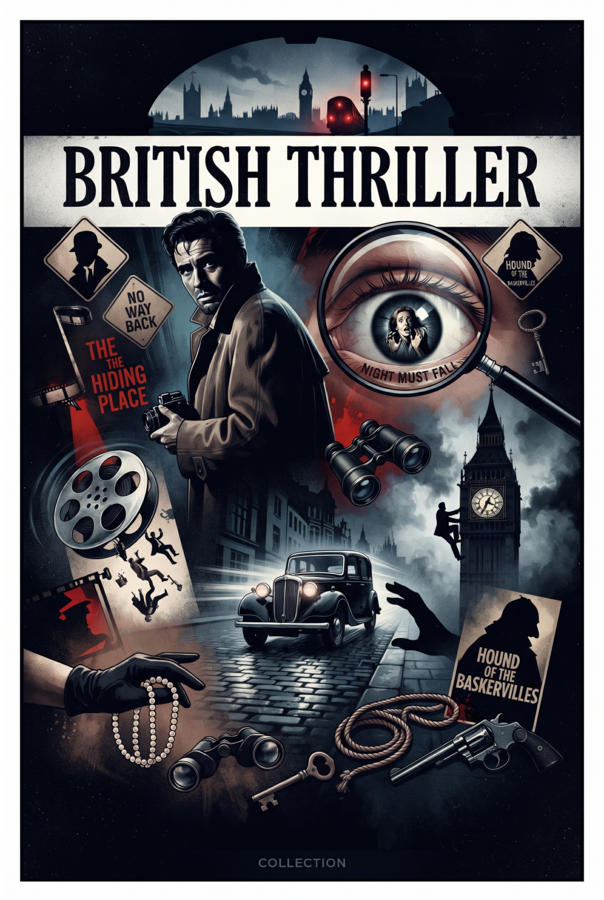
British Thriller (1930 - 1970)
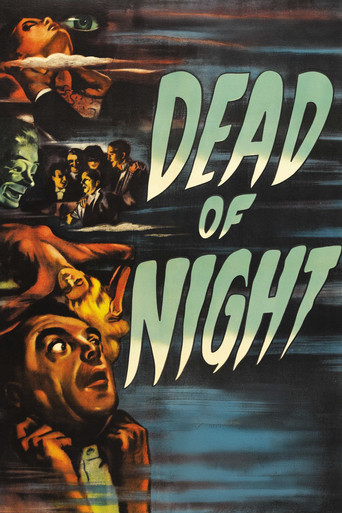
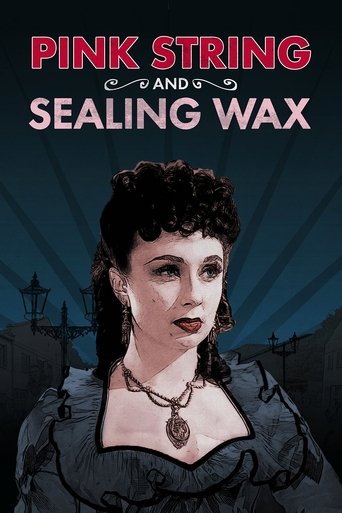
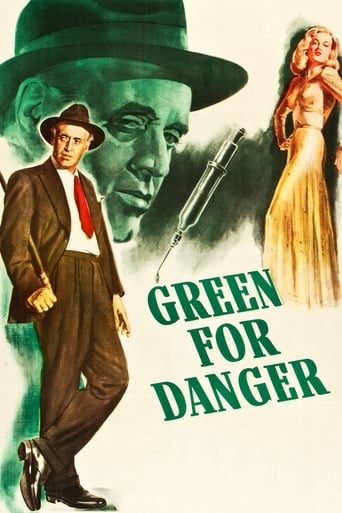
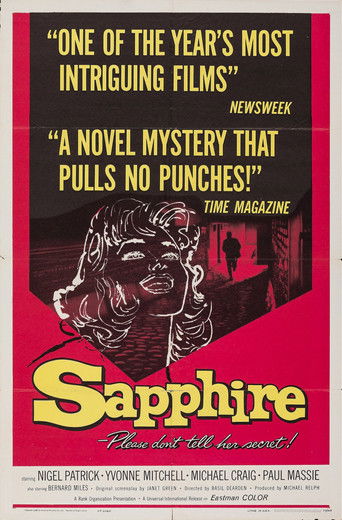
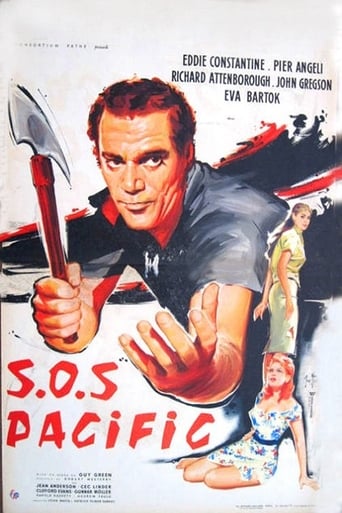
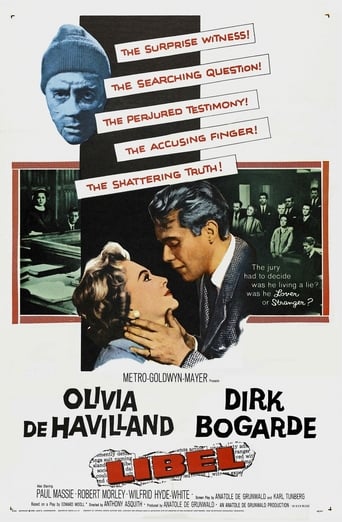
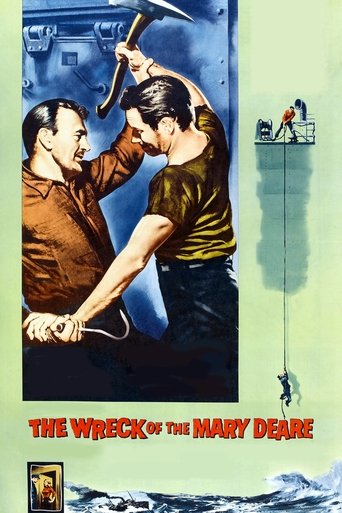
176 films See all 176 films ↓Forty years of British suspense: spies on trains, murders in fog, crooks in the ruins of the Blitz, and finally the Cold War agent with a licence or a hangover. The thriller was the most dependable genre British studios had, and what it looked like in any given decade depended less on individual directors than on the money and rules governing British screens.
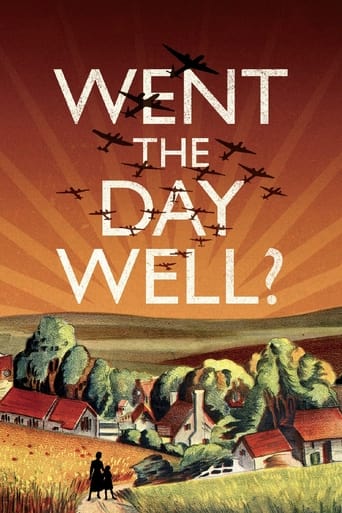
The 1930s films were shaped by a law. By the mid-1920s British pictures held only about 5% of their own country's screen time, so the Cinematograph Films Act of 1927 forced distributors and cinemas to carry a quota of British films, rising to 20% by the mid-1930s. Hollywood studios met the requirement by paying for cheap local features, the "quota quickies", and crime and mystery stories were the cheapest to make: a few sets, a corpse, an Edgar Wallace plot. Above that floor, Gaumont-British under Michael Balcon produced Hitchcock's run of spy thrillers. These ran into the second constraint, the British Board of Film Censors, which barred anything likely to offend "friendly nations" and through the appeasement years rejected films that openly criticised Nazi Germany. The 39 Steps, Secret Agent and Sabotage were passed because the censors treated them as adventure stories with politics only incidental. That is why the menacing foreigners of 1930s British thrillers have vague accents and the countries are invented. When war came the enemy could finally be named, and the same genre machinery turned into propaganda: Night Train to Munich, Blackout, Pimpernel Smith, Went the Day Well?
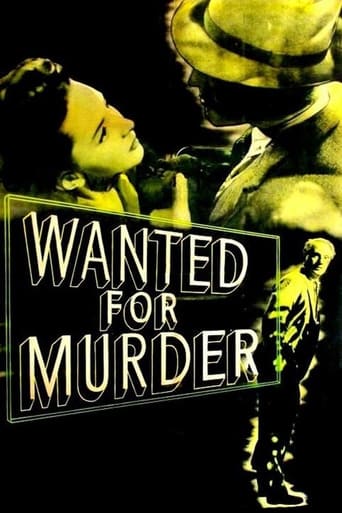
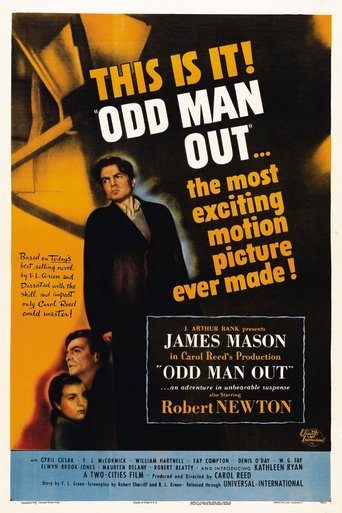
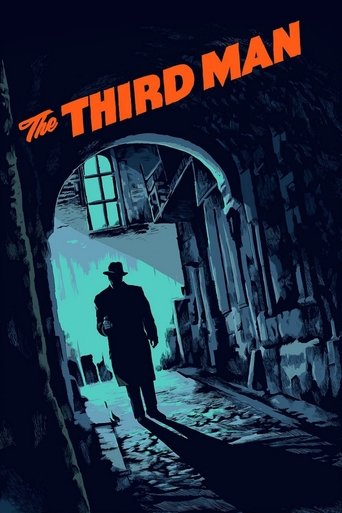
After 1945 the government raised the screen quota to 45% and in 1950 introduced the Eady Levy, a slice of every cinema ticket paid back to films made in Britain. The postwar crime cycle came out of that period: Odd Man Out, Brighton Rock, The Third Man, Pool of London, set among bomb sites, rationing and a black market that made everyone a little criminal.
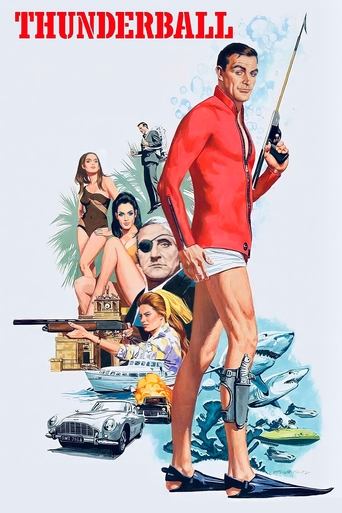
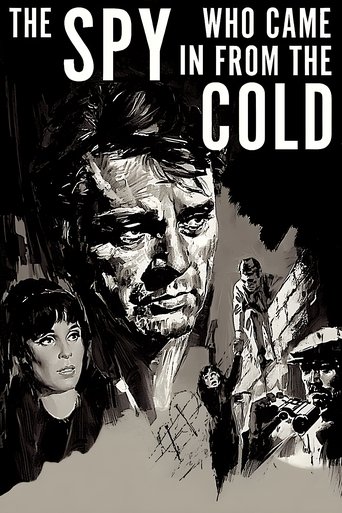
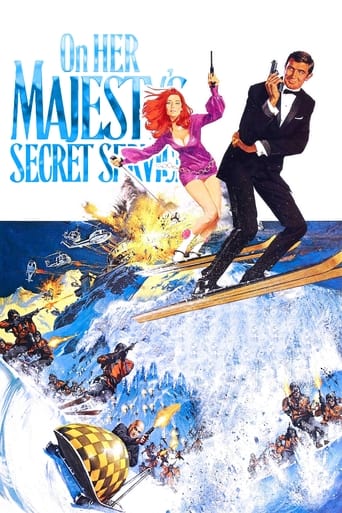
The Eady money also set up the collection's last act. Because the levy paid out to any film made in Britain, American studios moved production there. The share of British films wholly or partly financed from America rose from about 43% in 1962 to almost 90% by 1968, and Thunderball alone collected roughly $2.1 million from the fund. The 1960s spy boom, Bond and the grubby counter-current of Ipcress and The Spy Who Came in from the Cold, was British in location and personnel and largely American in capital. In the early 1970s new US tax rules and television investment pulled that money back out: American film spending in Britain averaged about £19 million a year from 1965 to 1971 and about £6 million from 1972 to 1979. The 1970 cutoff therefore marks the end of an economic era as much as a decade.