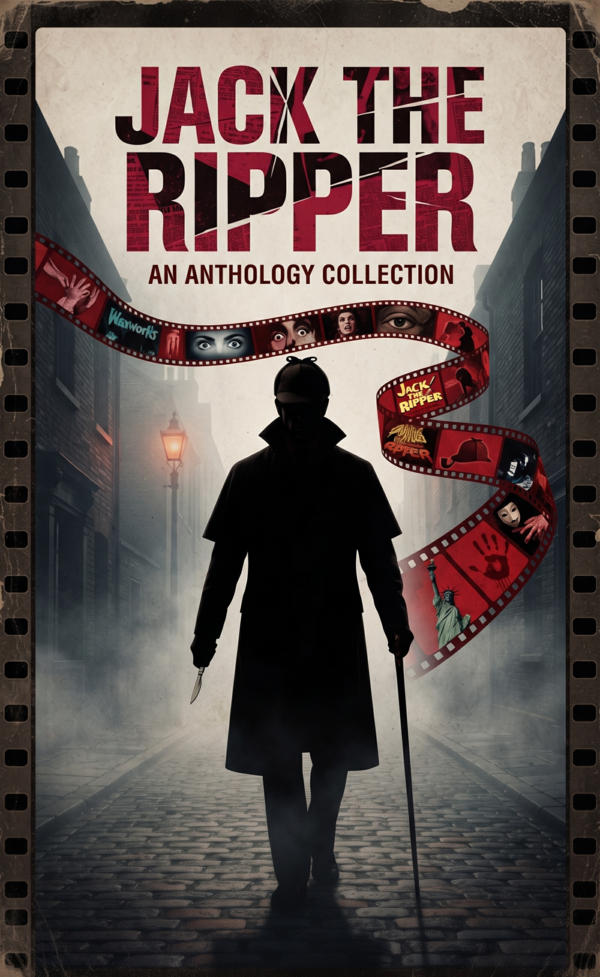
Jack the Ripper
17 films See all 17 films ↓This collection tracks one unsolved 1888 murder case across nearly eight decades of world cinema, not a single settled genre. Jack the Ripper was never identified, and even his name is a media artifact: it comes from the "Dear Boss" letter sent to a London news agency that September, an item widely believed to be a hoax, quite possibly written by a journalist chasing circulation. There is no biography to adapt faithfully, only a myth assembled in real time by Victorian press coverage — which is why filmmakers from the silent era to the early 2000s could keep reauthoring him as investigator's quarry, psychological case study, gothic phantom, or conspiracy villain without ever contradicting a settled record.
The films sit at two separate origin points for modern genre cinema. In Weimar Germany, Pandora's Box (1929) ends with its heroine killed by Jack the Ripper, a plot turn film historians read as part of the wider Lustmord ("lust murder") fascination running through German art and cinema after the First World War — the sexual murderer as a recurring anxiety figure in painters like Grosz and Dix and, soon after, in Fritz Lang's M. In Britain around the same time, Alfred Hitchcock adapted Marie Belloc Lowndes's 1913 novel The Lodger, itself directly inspired by the Ripper case, into the film he would later call "the first true Hitchcock movie" — laying down the wrongly-suspected-man suspense structure that shaped his career and, through him, much of the modern thriller.
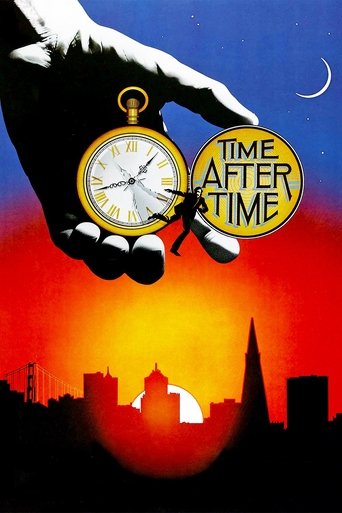
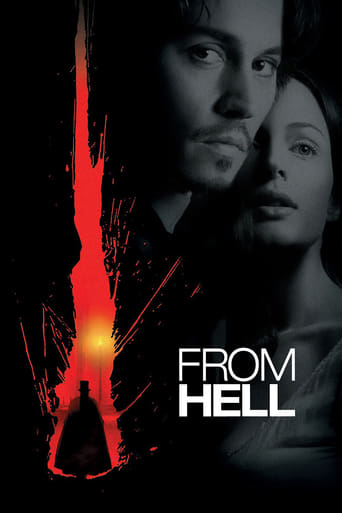
The Ripper's later screen life tracks a shift in how the culture talked about murder more broadly. From the 1970s on, the FBI's new behavioral-science work — credited with popularizing the term "serial killer" in America, though the concept has earlier German precedent from the 1930s — turned the repeat murderer into a subject for psychological profiling rather than Victorian mystery. The films of that era and after follow suit in spirit: pitting him against a rationalist detective as a puzzle to be solved, transplanting him into the present day as a fish out of water, or, in the case of the 2001 adaptation of Alan Moore's graphic novel, recasting the murders as a Masonic and royal conspiracy — a theory (Stephen Knight's, from 1976) that has since been largely discredited by historians but that gave the material a new, distinctly modern shape of villainy.
What holds the set together, then, isn't a killer with a fixed story but the appetite around him: a Victorian press sensation that cinema has never stopped retelling, each era supplying its own explanation for who he was and why.