The Decline of the American Empire Collection
4 films See all 4 films ↓These three films by Denys Arcand follow Quebec's educated generation from the comfortable disillusion of the 1980s to the exhausted public institutions of the new century. Arcand was a history student before he was a filmmaker, and he joined the National Film Board of Canada in 1963. His documentary On est au coton, about textile workers, was so controversial that it was suppressed for six years. That background matters. The man who made these witty, talkative films had spent years watching what happens to political cinema in a state-funded system.
The Decline of the American Empire came out of the aftermath of the 1980 referendum, when Arcand felt Quebec had turned from politics toward individual pleasures. He imagined a film of pure conversation, on the model of My Dinner with Andre, and chose sex as the one subject that could hold an audience for its full length. The characters are history professors, partly because such people spoke with less of a regional accent and could travel better in the French-speaking world. Roger Frappier and René Malo built the budget up to about $1.8 million, mostly from federal and provincial sources, so this comedy about the private appetites of the state-employed middle class was itself paid for by the state. It became the highest-grossing film in Quebec's history to that point, won the critics' prize at Cannes, and became the first Canadian film nominated for the Oscar for Best Foreign Language Film, with Telefilm Canada helping pay for the campaign.
The Barbarian Invasions returns to those friends seventeen years later as one of them lies dying in an overwhelmed Montreal hospital, and the talk of pleasure gives way to bureaucracy, unions, money and the failure of the old ideals. It became the first Canadian feature to win the Academy Award, and it won the César for Best Film along with prizes at Cannes. The film was also made first for its home audience. The cut released in Quebec was so specific to the province that the version shown at Cannes and abroad lost about twelve minutes, trimming scenes about the Catholic Church and removing several local performers entirely. The collection holds two versions, running 113 and 99 minutes.
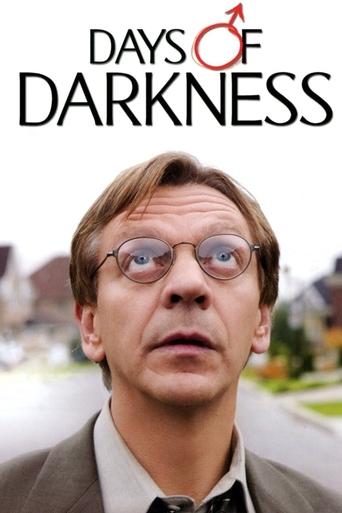
Days of Darkness completes the set, with a civil servant escaping a soul-destroying provincial bureaucracy through fantasy. Arcand's own success had become part of the story by then. The $8.5 million production was caught in a Quebec film funding crisis, and when Telefilm funded it and a second project from Arcand's wife and producer, Denise Robert, 43 Quebec directors signed an open letter questioning that choice, while others were being turned down. It closed the Cannes festival in 2007 to a cooler reception. The trilogy therefore ends where it began, inside the system of public institutions that its characters mock and that paid for its making.