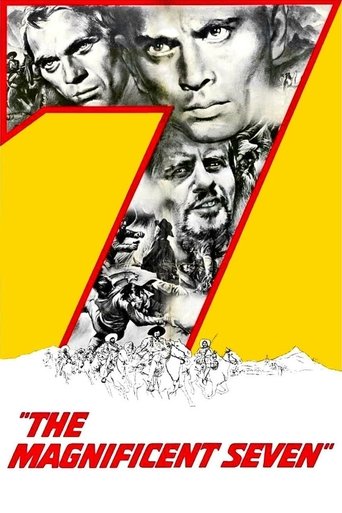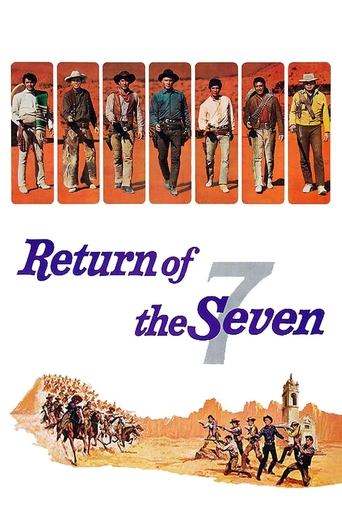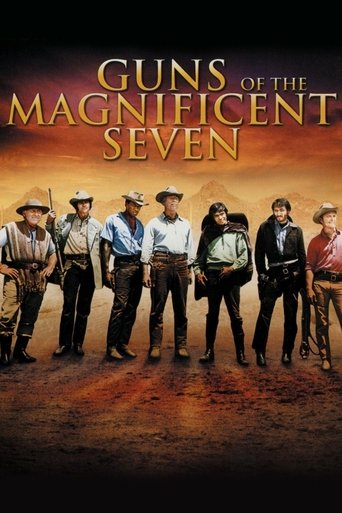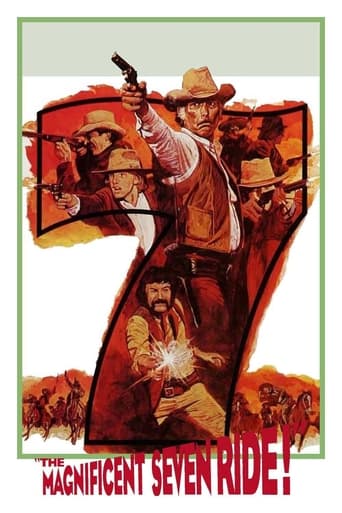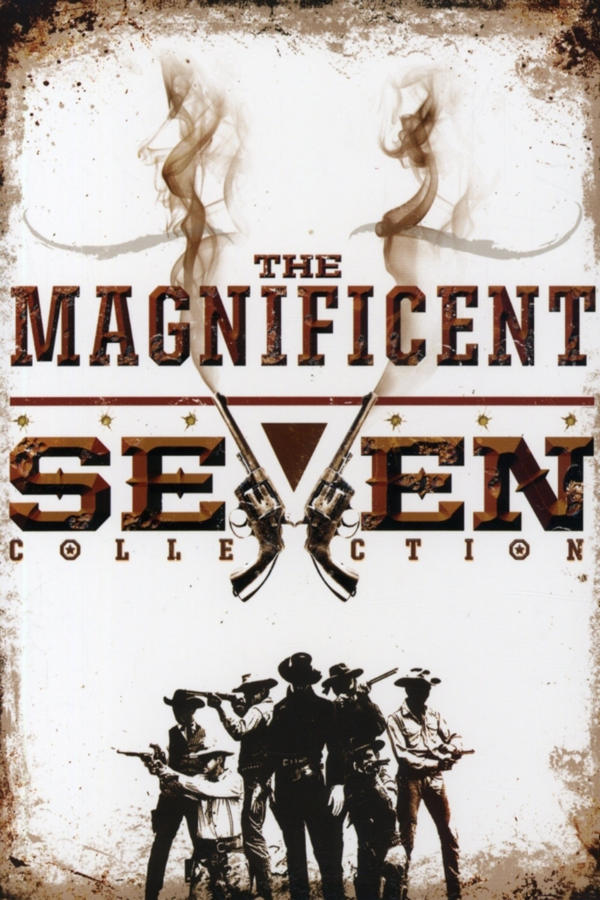
The Magnificent Seven Collection
4 films See all 4 films ↓The Magnificent Seven began with a producer named Lou Morheim, who bought the rights to Akira Kurosawa's Seven Samurai for $2,500. Yul Brynner took over the project, Walter Mirisch took it to United Artists, and Anthony Quinn, who said he had developed it with Brynner, sued and lost because nothing was in writing. Walter Bernstein, who was blacklisted, wrote a first draft, Walter Newman wrote most of what appears, and William Roberts got the credit for changes demanded by Mexican censors while the film was shooting in Mexico.
The American release in 1960 was a disappointment, and executives considered it a flop. It was saved overseas. Foreign rentals were almost three times the domestic figure, it was the second biggest hit of the year in Britain, and it sold about 67 million tickets in the Soviet Union, more than any other Hollywood film there. United Artists re-released it, and television added to its audience. Steve McQueen, Charles Bronson and James Coburn all rose from it. Elmer Bernstein's score, written faster than the images it accompanied, became so well known that Marlboro used it for cigarette ads.
The sequels follow the money. Return of the Seven kept Brynner alone from the original, with a script by Larry Cohen, shot on a modest budget. It earned more than twice as much abroad as at home. Guns of the Magnificent Seven and The Magnificent Seven Ride! replaced him as well, with George Kennedy and Lee Van Cleef. Mirisch was by then selling to a foreign audience that had already made the original a hit. It is a strange end for the idea, which went from a Japanese film about class to an American export for the world market.