Folk Horror
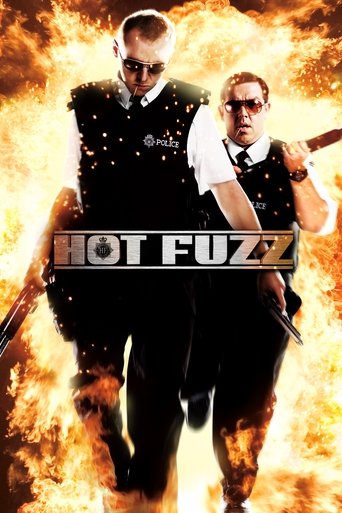
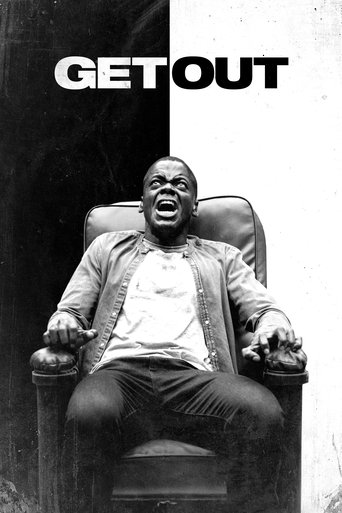
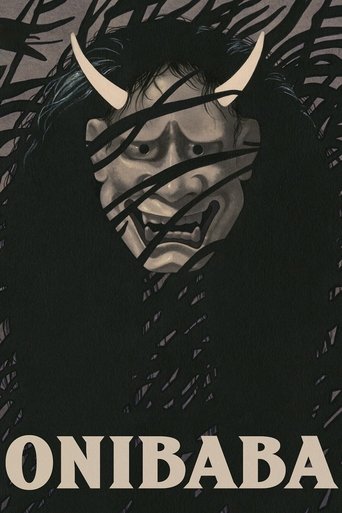
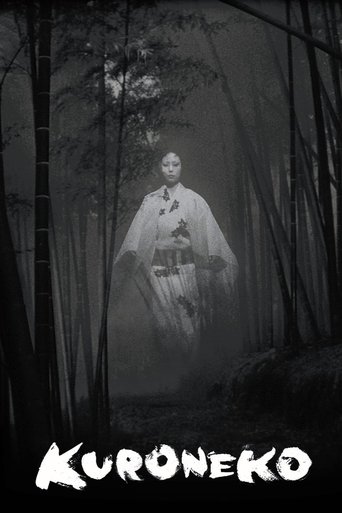
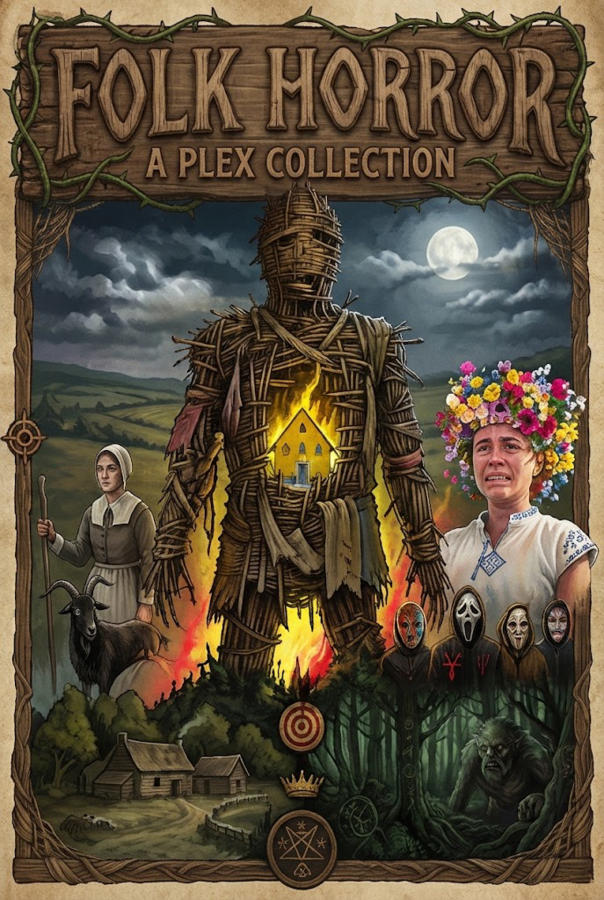
86 films See all 86 films ↓This collection isn't organized around a monster or a killer — it's organized around a structure of dread that critics later called a "chain": a rural landscape untouched by the modern world, a group of people cut off inside it, a belief system that grows warped by that isolation, and a violent culmination — a sacrifice, a summoning, a happening — that the rest of the film has been quietly building toward. No single figure recurs across these films the way Dracula or Michael Myers does. What recurs is the shape of the story: modernity arriving somewhere it doesn't belong, and losing.
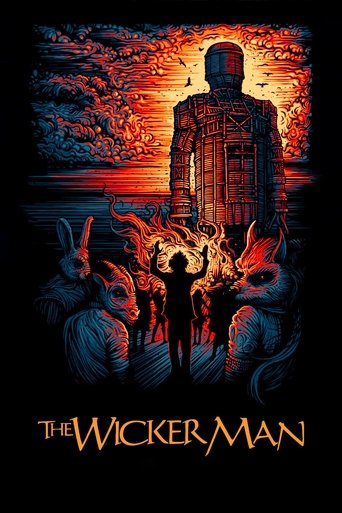
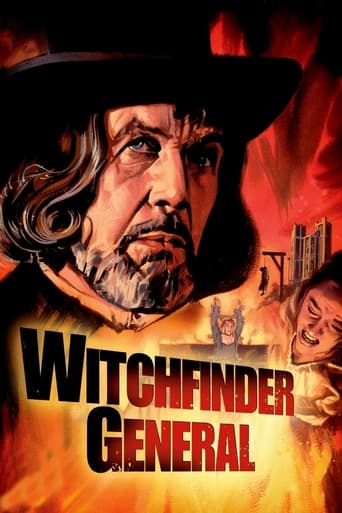
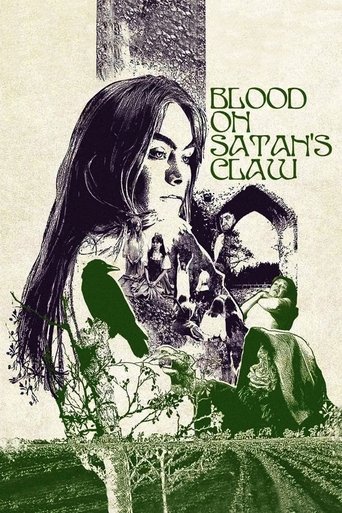
Folk horror is unusual among horror categories in that the name came decades after the films did. Piers Haggard, who directed The Blood on Satan's Claw in 1971, coined the phrase in a 2003 interview describing his own three-decade-old film, and it didn't catch on until Mark Gatiss used it in a 2010 BBC documentary, grouping Haggard's film with Witchfinder General (1968) and The Wicker Man (1973) into what's now called the genre's "unholy trinity." A formal definition — landscape, isolation, skewed belief, happening — didn't arrive until film critic Adam Scovell's 2017 book gave the category its working rules. For nearly forty years, in other words, these were just strange, singular British films with nothing officially connecting them; the genre had to be noticed before it could exist.
The Wicker Man's own survival is as dramatic as anything in the film itself. It was made by British Lion, a studio already in serious financial trouble, and before it was even finished a boardroom takeover replaced its backers with new management that reportedly hated the film and judged it unprofitable. The finished cut was trimmed down and released in Britain as the lesser half of a double bill, playing underneath Don't Look Now rather than on its own. The original negatives were later lost entirely — by one persistent account, destroyed as landfill during the construction of a motorway near the studio — and the film survives today only through a patchwork of surviving prints and a videotape copy. Its reputation as one of the best British films ever made was rebuilt almost from nothing, driven substantially by Christopher Lee touring America at his own expense to introduce it in person.
That near-erasure, and the genre's own decades in the critical wilderness before anyone named it, are really the same story told twice: a mode of horror repeatedly judged unmarketable or unclassifiable in its own moment, preserved mostly by the people who happened to love it, and only much later recognized as one of the most influential things British horror ever produced.