Witches
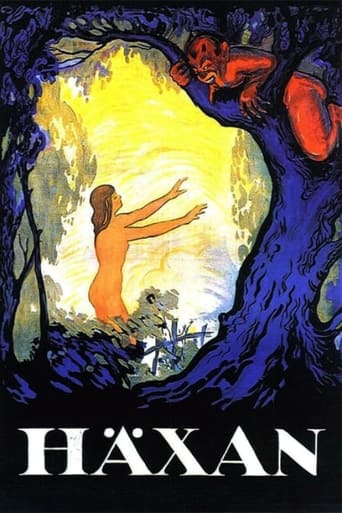
164 films See all 164 films ↓Witches are one of horror's oldest recurring figures, and one of the strangest: unlike vampires or reanimated corpses, the witch hunt is real, documented history, which means this collection has spent a century adapting an atrocity rather than a myth. That tension shows up at the very start of witch cinema. Benjamin Christensen's Häxan (1922) built its dramatized medieval torture and satanic-ritual sequences directly from the Malleus Maleficarum, the era's best-known witch-hunting manual, framing the whole film as scholarly history rather than fantasy — right down to a closing chapter arguing that what looked like witchcraft was often untreated mental illness. It was the most expensive Scandinavian silent film ever made, and it was banned in the United States and heavily censored almost everywhere else for its content. Even in a genre built on real persecution, Häxan is the rare film that tried to look directly at the historical record rather than just borrow its imagery.
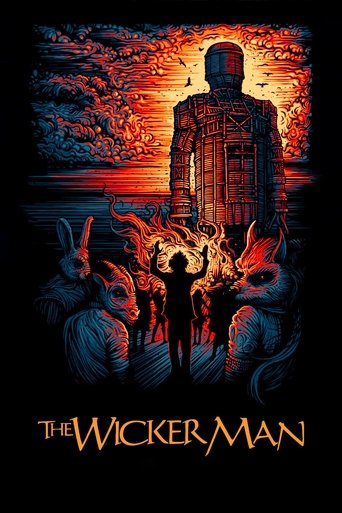
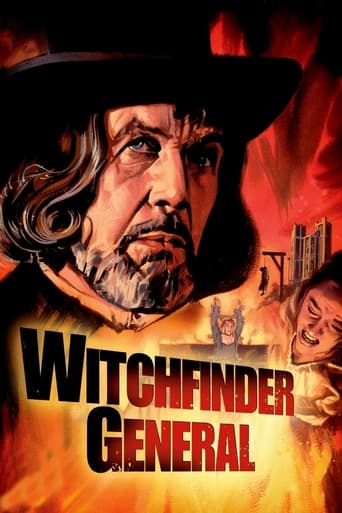
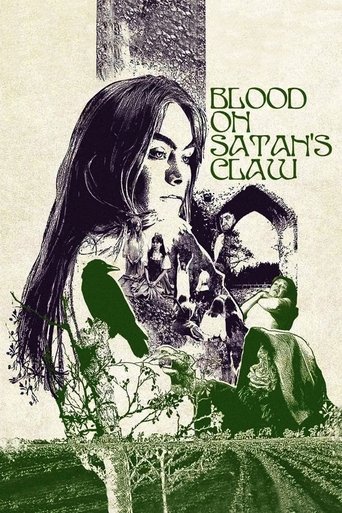
Where witch cinema really becomes a genre in its own right is a short, specific window in British film: Witchfinder General (1968), The Blood on Satan's Claw (1971), and The Wicker Man (1973), retroactively grouped by critics as the "unholy trinity" of folk horror. None of the three did much business on release; all three became the template the genre still runs on — rural landscapes, pre-Christian belief pushing back against a brittle Christian order, and dread that lives in daylight fields rather than dark castles. Witchfinder General is the sharpest example of how close this genre stays to its real source material: it's a dramatization of Matthew Hopkins, the self-appointed "Witchfinder General" of the English Civil War era, a private citizen with no official authority who was personally responsible for something like a fifth of all witch executions in British history. The cycle went quiet for decades before critics started using the same "folk horror" language again for the genre's 2010s revival.
The history under all of this is bigger and messier than most of these films let on. Modern historians put the confirmed European execution toll for witchcraft in the tens of thousands — at least 12,000 documented cases, with broader scholarly estimates running to 35,000–50,000 — concentrated especially in the fragmented territories of the Holy Roman Empire, nowhere close to the millions sometimes claimed in popular accounts, but a real, sustained wave of state and religious violence lasting centuries. The Malleus Maleficarum itself is a stranger document than its reputation suggests: its author, a Dominican inquisitor named Heinrich Kramer, had it published under a forged endorsement, and the Inquisition's own senior theologians at Cologne formally condemned it for recommending illegal procedures and contradicting actual Church doctrine. It was rejected by the authority it claimed to speak for — and became a bestseller anyway, more influential on the popular imagination of what a witch hunt looked like than on the actual legal machinery of one. Cinema, this collection included, has mostly inherited the popular version.
What holds these films together, then, isn't a monster or a mask but a real historical event that cinema keeps returning to from different angles — as scholarly reenactment, as folk-horror allegory, as history dramatized closely enough to name its real perpetrators — never quite settling on one honest way to look at it.