The History of the Slasher
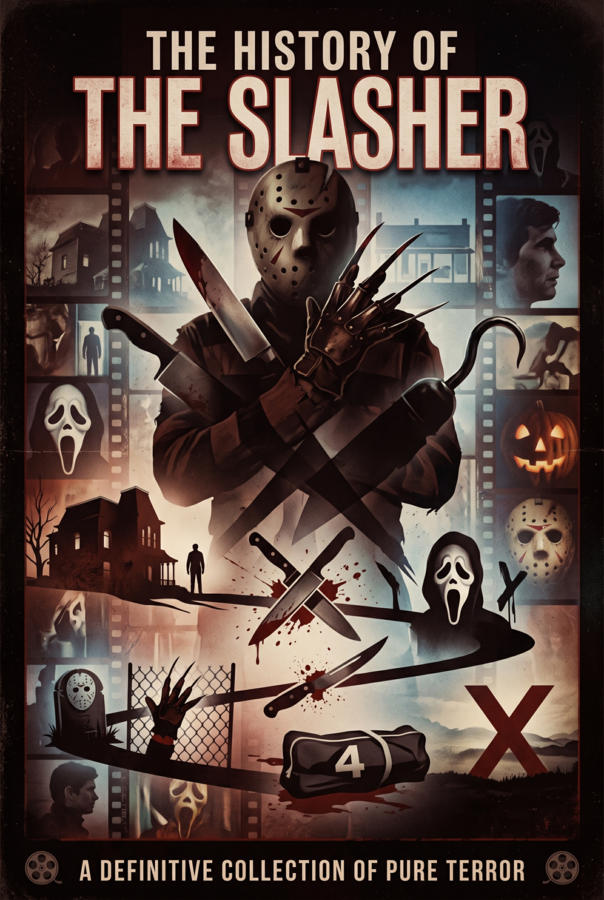
78 films See all 78 films ↓This isn't "horror movies where someone gets killed" — it's a specific structure: a fixed-identity killer working through a small, bounded group of victims one at a time, for a personal reason rather than a cosmic one, inside a bounded stretch of time and place.
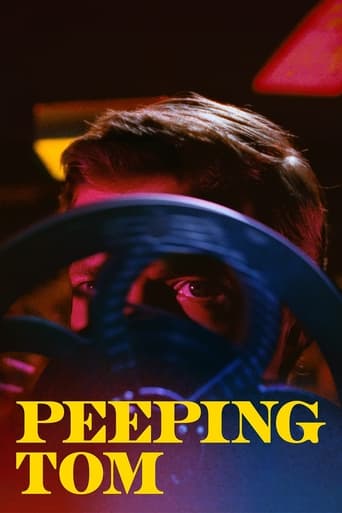
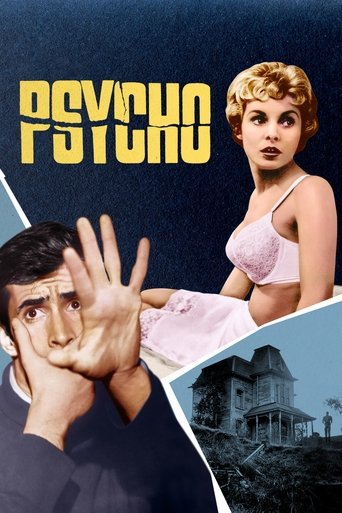
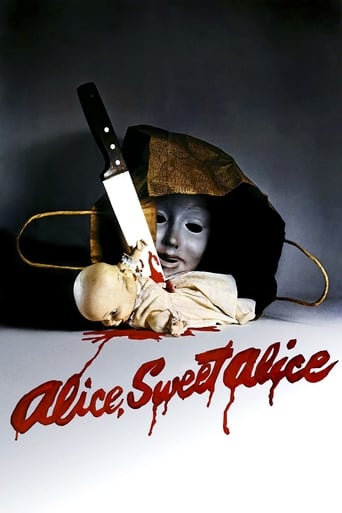
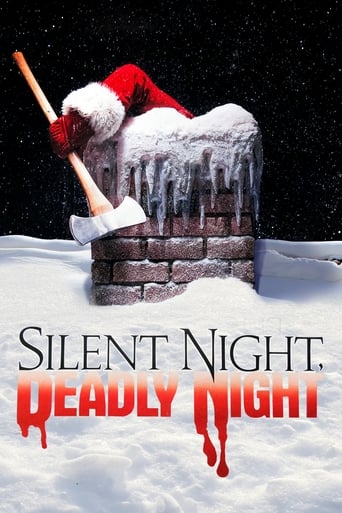
The genre's usual starting point is 1960, and even that's not as clean as it gets credit for. Psycho is barely a proto-slasher on close inspection — only Marion's murder is driven by actual desire; the killings of Arbogast and the attempt on Lila are cover-up killings, protecting a secret, which is a different engine entirely from a killer hunting people who did nothing but show up. Peeping Tom, released the same year, arguably hits more of the genre's real hallmarks — sustained killer's-eye-view shots through multiple murders, a female victim roster — despite being the less-credited ancestor. Neither film has to be a pure instance of what it started; an origin point just has to be the gravity well everything after it orbits. Black Christmas (1974) and Alice, Sweet Alice (1976) get the actual shape closer to right: a masked, unseen killer working a bounded group inside one location and stretch of time, years before anyone had a name for what that was.
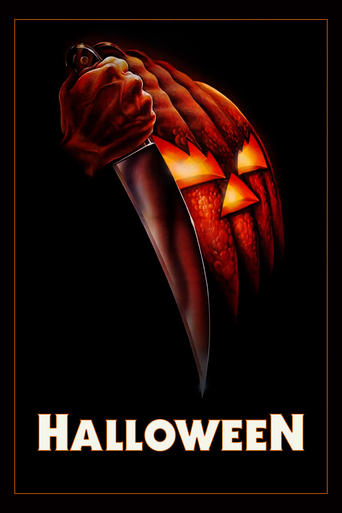
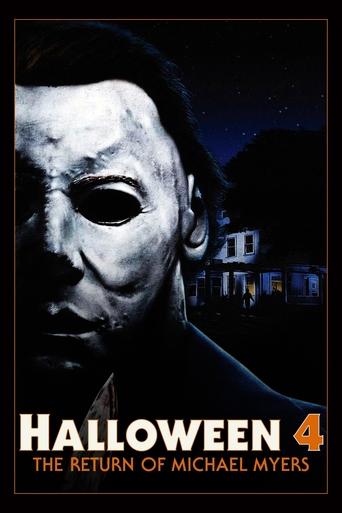
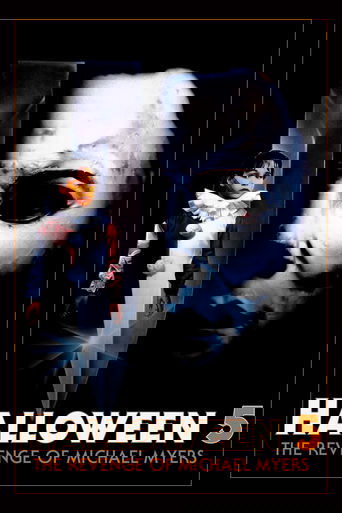
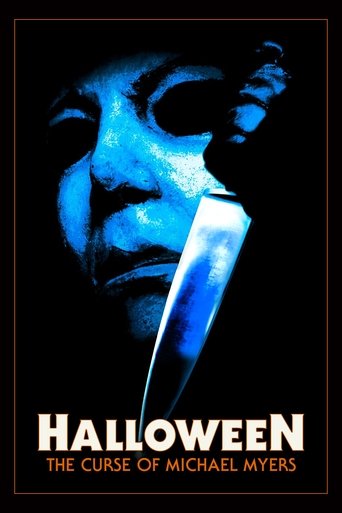
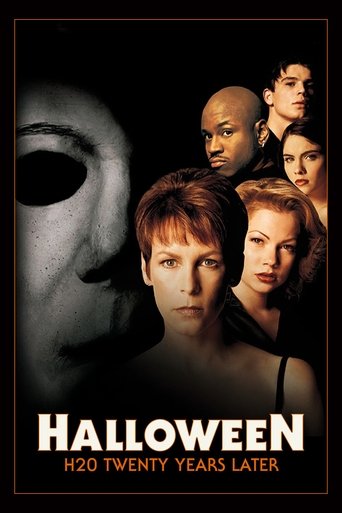
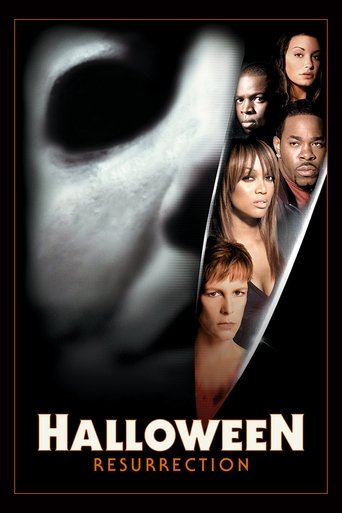
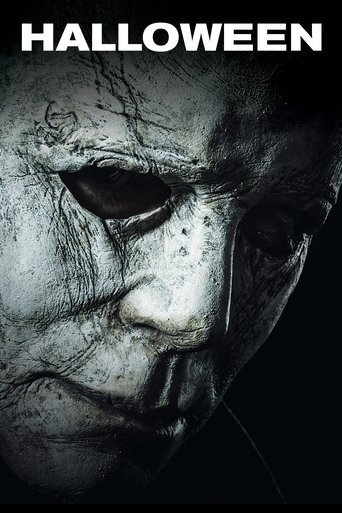
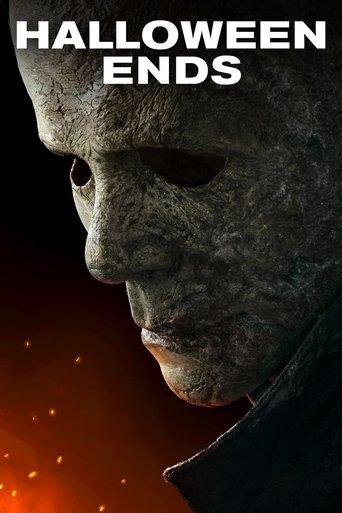
That's Halloween's job. Made for around $300,000 in 1978, it grossed roughly $70 million and set the conventions the genre would run on for the next decade: the mask, the holiday framing, a killer built to survive into a sequel. Once a movie that cheap could make that much money, every studio in town wanted one.
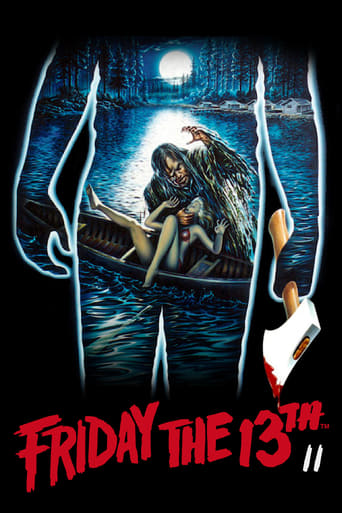
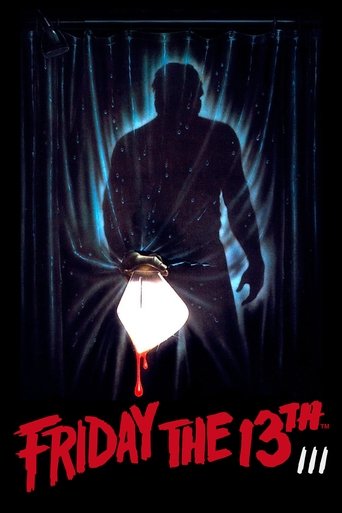
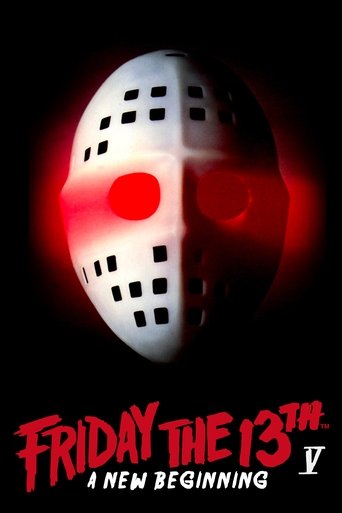
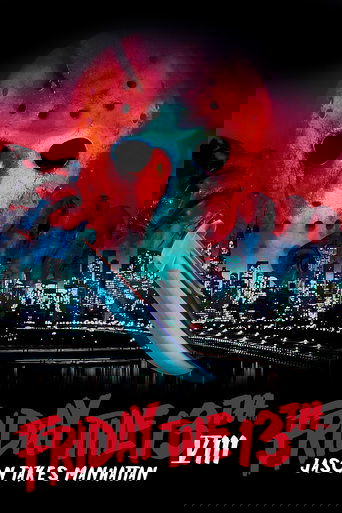
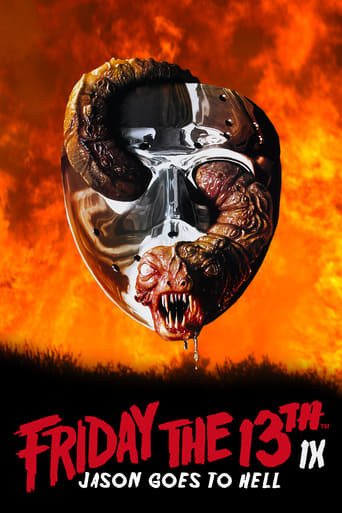
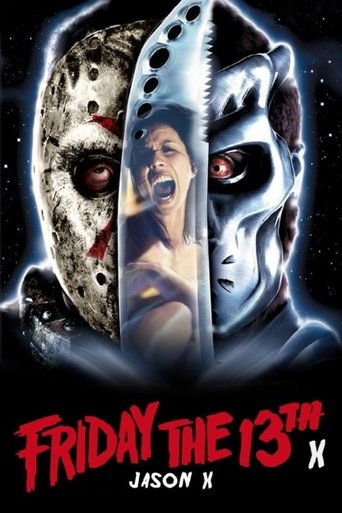
Two adjacent genres are excluded on purpose. Giallo, over in Italy, runs on different rules entirely — a whodunit built around a killer whose identity is the mystery, more concerned with style and misdirection than a survivor fighting back. The two aren't unrelated: Mario Bava's 1971 giallo A Bay of Blood is the direct ancestor of the modern slasher kill scene, and Friday the 13th Part 2 lifts two of its murders almost shot for shot — but sharing an ancestor doesn't make two family trees the same tree.
Splatter is excluded for a different reason, and it isn't about how much blood is on screen — The Texas Chain Saw Massacre, this genre's most famous exile, is one of the least graphic films of its era by that measure. What makes something splatter is what it's actually about: the deconstruction of the human body into other material. Leatherface's family isn't killing for revenge, sport, or inscrutable evil — they're former slaughterhouse workers displaced when the meat industry consolidated around them, converting the only material still available to them into food, furniture, and clothing, the way they used to convert cattle. That's a story about a body becoming a resource, not a killer working through a list of victims. A genuinely different genre, whatever it looks like side by side with this one.
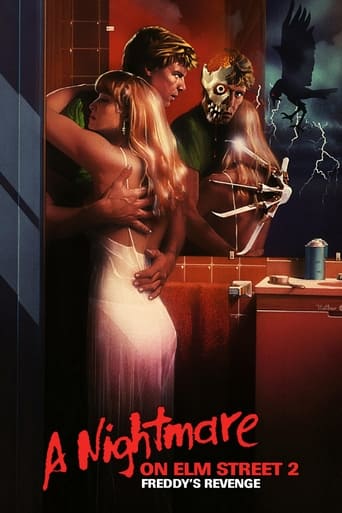
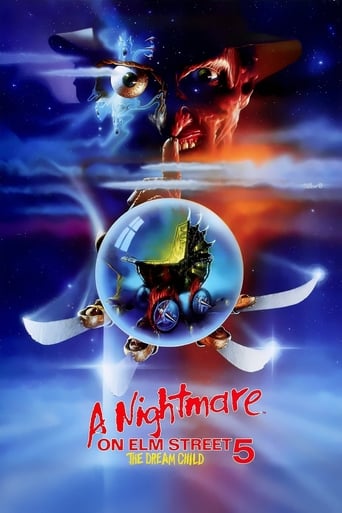
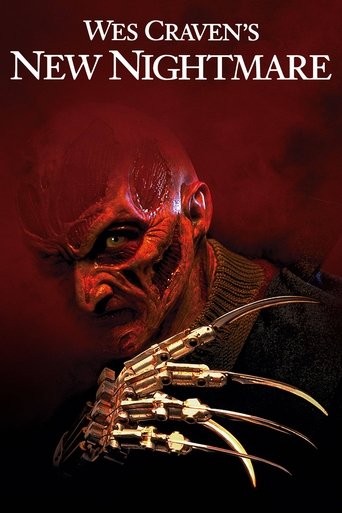
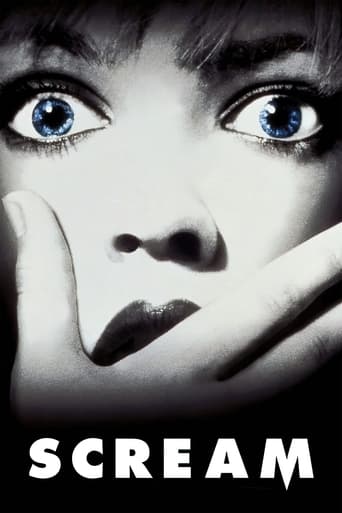
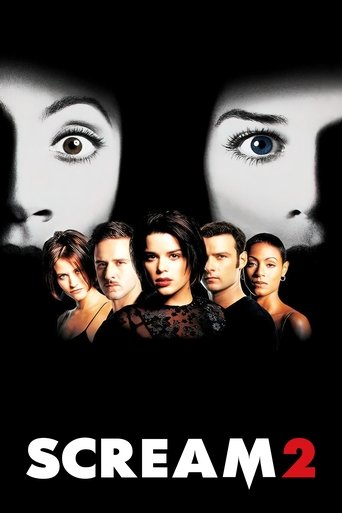
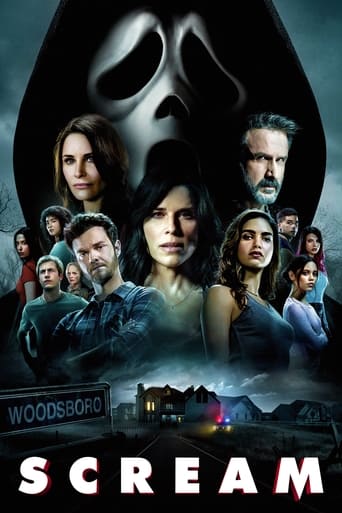
The rules keep moving after Halloween, too. Wes Craven's own New Nightmare (1994) turns the killer loose on the real actors and crew who made him famous, breaking the genre's fourth wall two years before Craven did it at mass scale with Scream — which didn't invent a new structure so much as make the audience's own genre-literacy part of the story.
A franchise's founding film defining the genre doesn't commit every sequel to keep meeting that definition — and it doesn't run the other way either. A sequel whose killer picks up a stranger mythology than the original started with hasn't necessarily left the genre, as long as what's happening on screen hasn't changed; a backstory going supernatural is not the same event as a plot abandoning its killer for a conspiracy thriller. Inclusion here is judged film by film, on what's actually happening in it, not on the name on the poster.