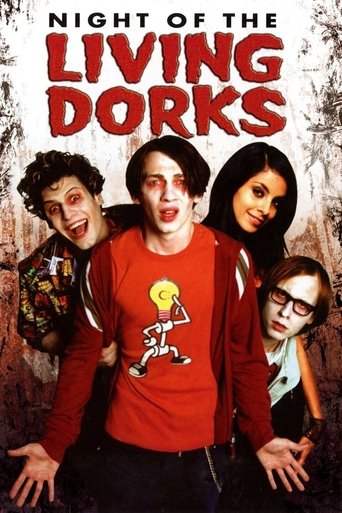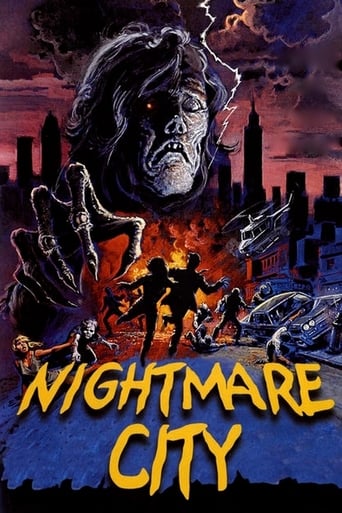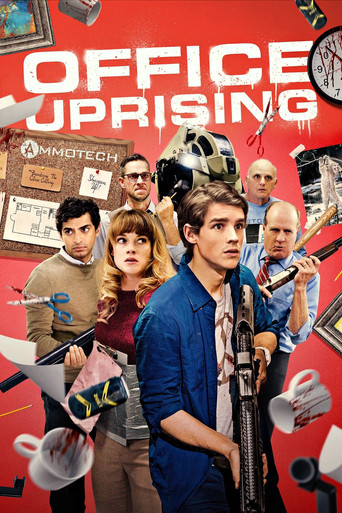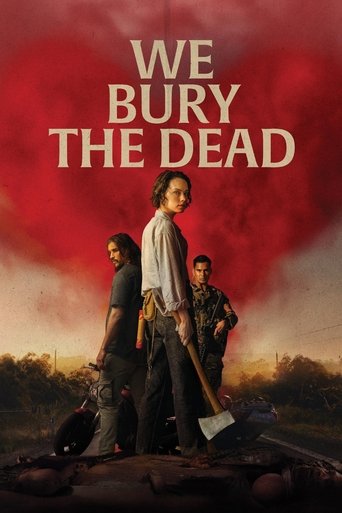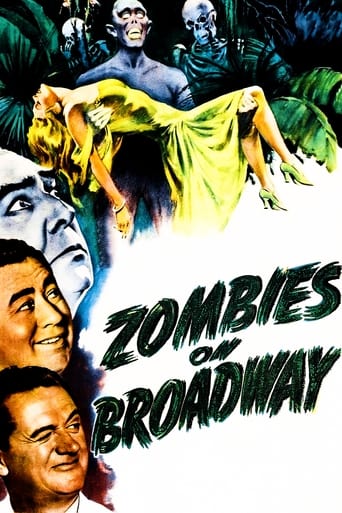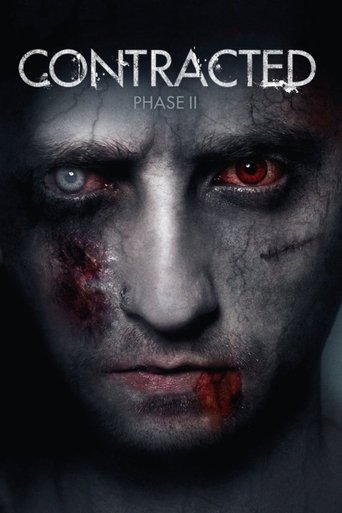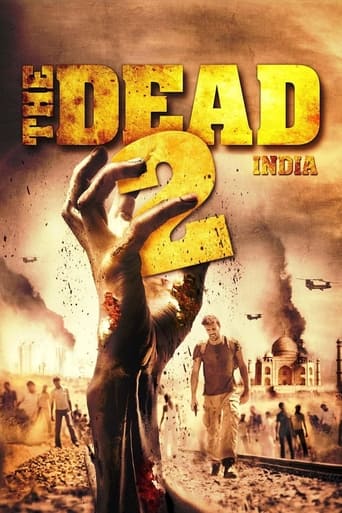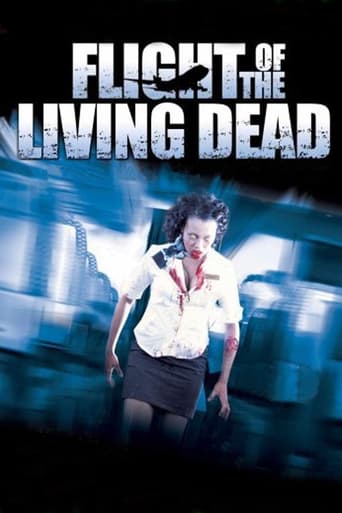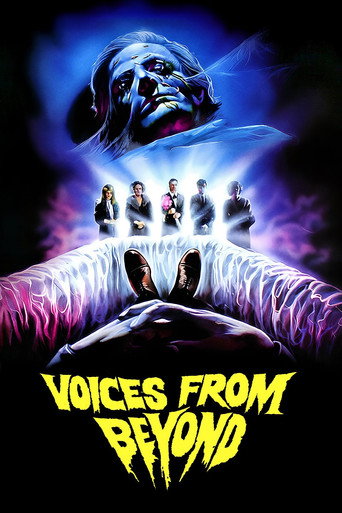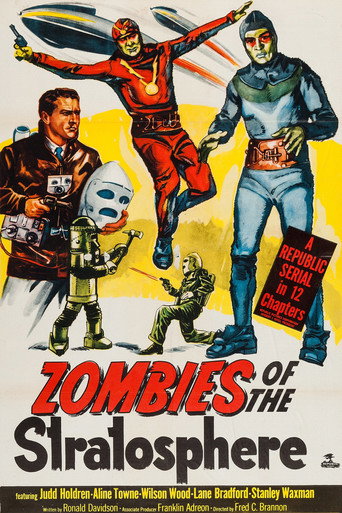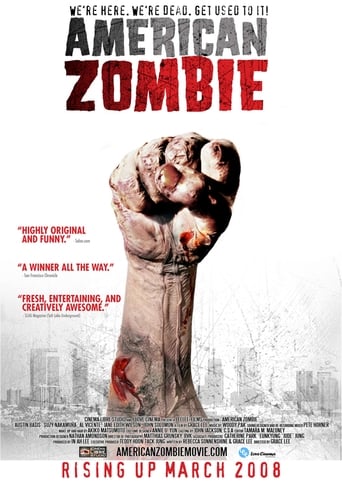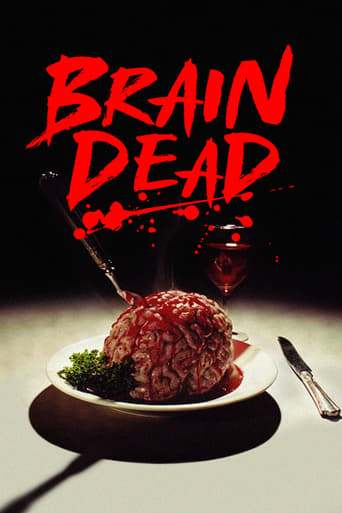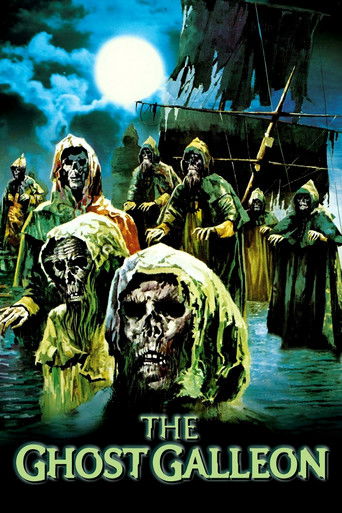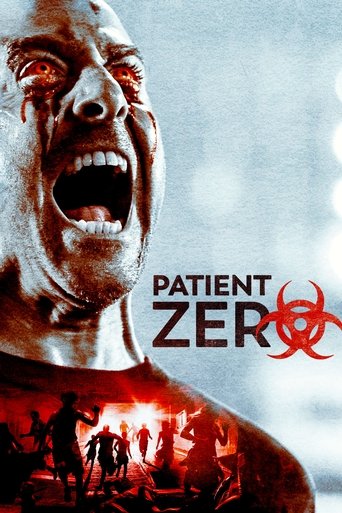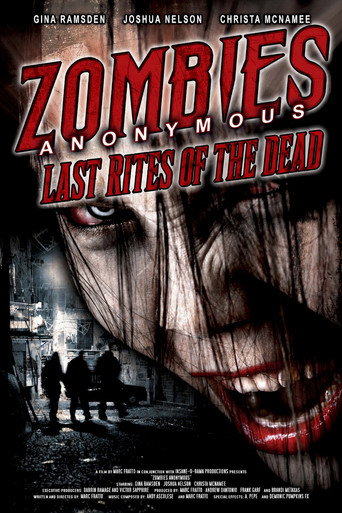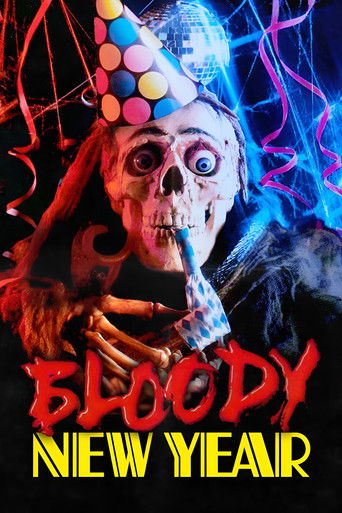
Zombies
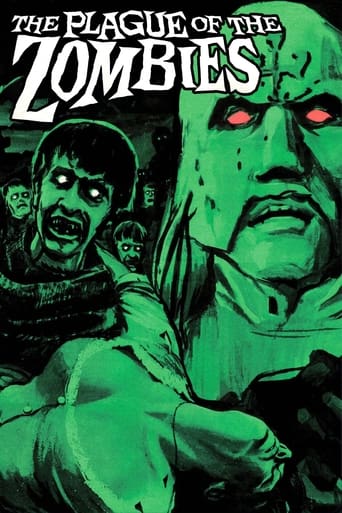
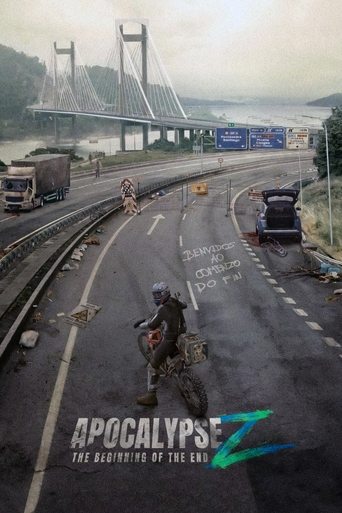
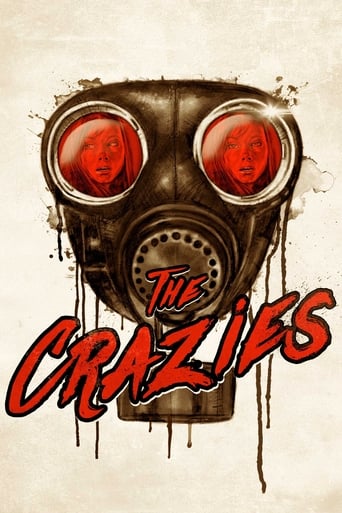
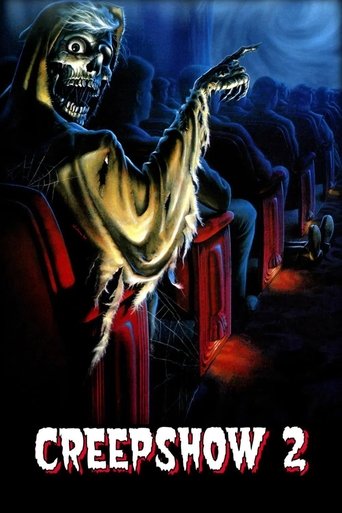
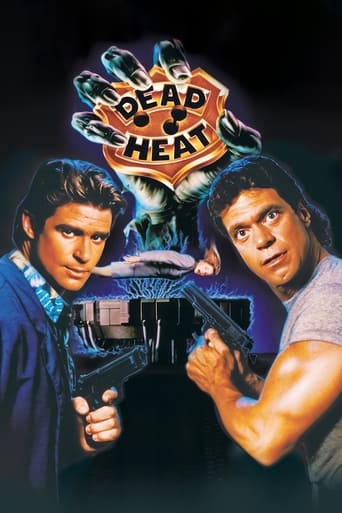
463 films See all 463 films ↓The history of the zombie is the history of societal anxiety, shifting from a localized fear of spiritual enslavement to a globalized dread of systemic collapse. Unlike vampires or werewolves, which possess individual agency or romanticized tragedy, the zombie is terrifying precisely because it lacks both. It is an unrelenting mass of attrition.
Here is the comprehensive history and thematic evolution of the genre for your collection.
1. The Haitian Origins: The Horror of Enslavement (Pre-1968)
The zombie did not begin as a flesh-eating monster; it began as a tragic victim. Rooted in Haitian Vodou and the trauma of French colonial slavery, the original zonbi was a corpse reanimated by a bokor (sorcerer) to serve as mindless, unpaid labor. For enslaved Haitians, the ultimate terror was not being eaten by a zombie, but becoming one—a fate where even death offered no escape from servitude.
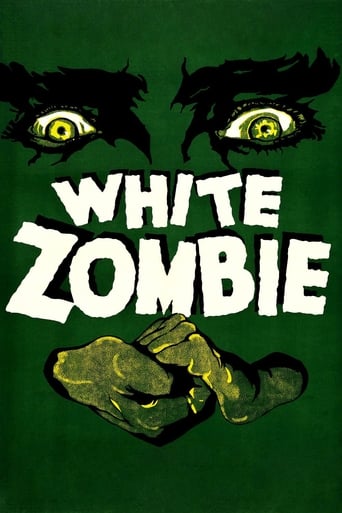
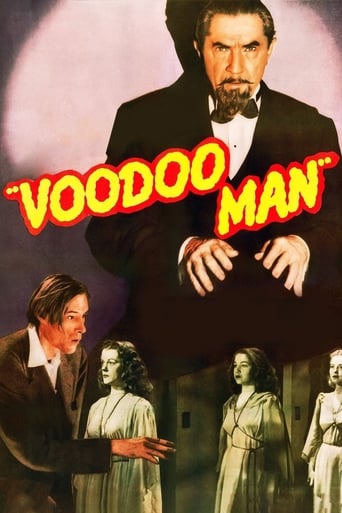
Hollywood imported this concept with White Zombie (1932), starring Bela Lugosi. For decades, cinematic zombies remained exoticized tools of mind control, rooted in foreign mysticism, voodoo tropes, and the loss of individual autonomy.
2. The Romero Paradigm Shift (1968–1985)
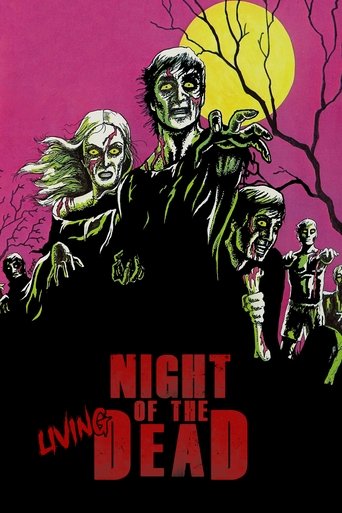
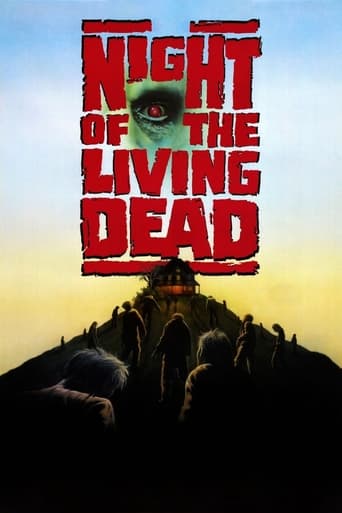
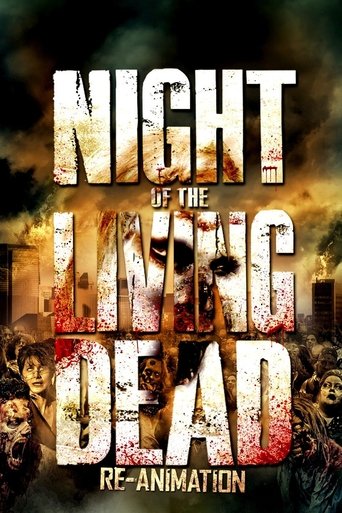
George A. Romero fundamentally broke the mythos with Night of the Living Dead (1968) and forged the modern template. He stripped away the magic, vaguely replacing it with pseudo-science (radiation from a space probe), and introduced the three pillars of the modern genre:
Cannibalism: The dead now wanted to eat the living.
Contagion: A bite from the dead killed the living, who then resurrected as part of the horde.
The Headshot: They could only be stopped by destroying the brain.
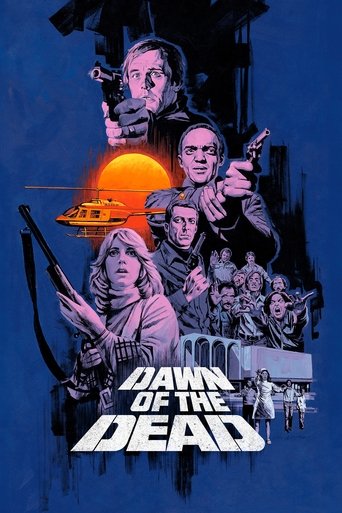
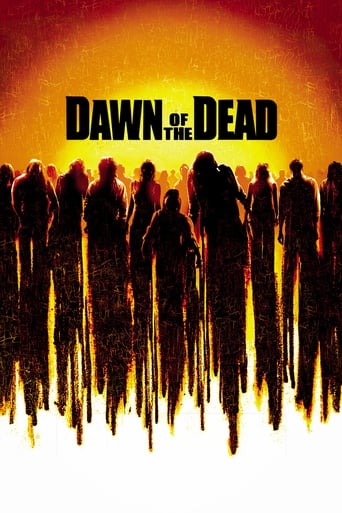
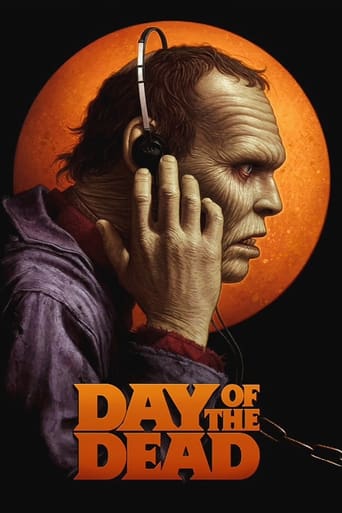
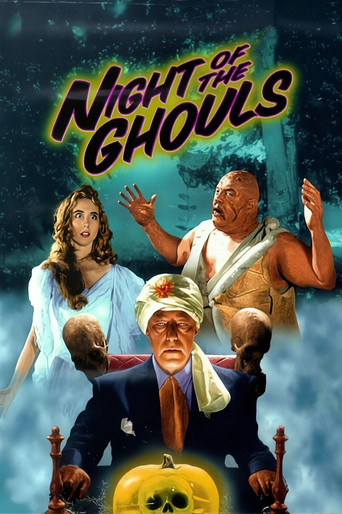
Romero didn't actually call his creatures "zombies"—he referred to them as "ghouls." It was the public and critics who retroactively applied the term, forever altering its definition. Romero also turned the zombie into a blank canvas for social commentary. Night reflected the civil rights movement and Vietnam War disillusionment. His 1978 sequel, Dawn of the Dead, placed the survivors in a shopping mall, weaponizing the zombie as a metaphor for mindless American consumerism. Day of the Dead (1985) critiqued the military-industrial complex and scientific hubris.
3. The "Brains" Misconception and Splatter Comedy (1985)
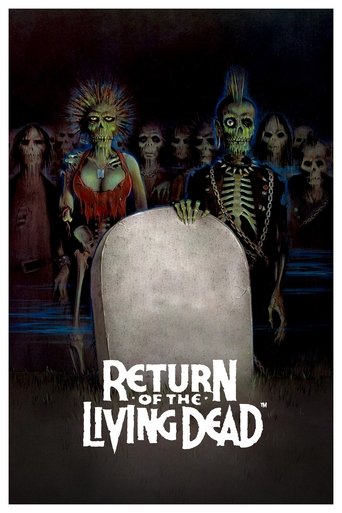
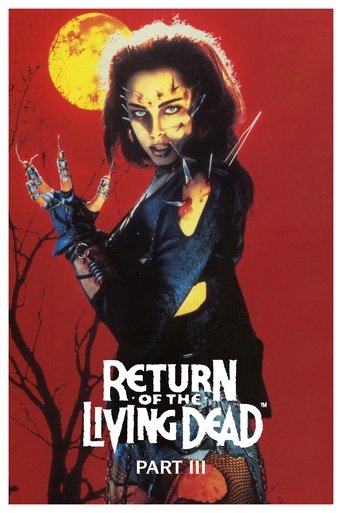
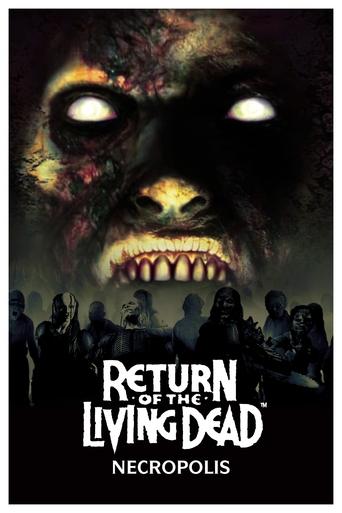
The talking zombies that say "brains." This comes from the work of Dan O'Bannon’s The Return of the Living Dead (1985). O'Bannon wanted to avoid infringing on Romero's copyrights, so he changed the rules. His zombies were created by a chemical spill (Trioxin), they were fast, they could talk, they specifically hungered for human brains to soothe the pain of rotting, and they could not be killed by a headshot. This film birthed the "Brains!" trope and introduced horror-comedy to the genre, branching zombies into mainstream pop culture parodies.
4. The Swarm and the Pandemic (2002–Present)
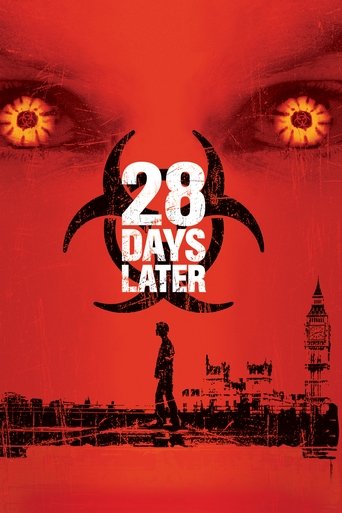
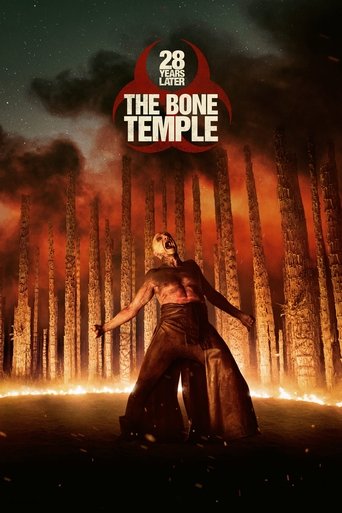
The post-9/11 zombie wave—kicked off by 28 Days Later (2002) and the Dawn of the Dead remake (2004)—was less about hidden terrorist cells and heavily driven by global pandemic anxieties. 28 Days Later (which featured living humans infected with a blood-borne rage virus, not reanimated corpses) was born from fears of Ebola, HIV, and the UK's foot-and-mouth disease outbreak.
These films introduced the "fast zombie." The terror shifted from the claustrophobia of Romero's slow, creeping death to the panic of highly contagious, hyper-aggressive vectors. The fear was no longer just the monster, but the fragility of global infrastructure, supply chains, and government competence in the face of an exponentially spreading disease.
the later use of zombies piling up "like insects" is specifically linked to the 2013 film adaptation of World War Z. The filmmakers explicitly used swarm intelligence algorithms (modeled on ants and bees) to animate the hordes. This represented the ultimate fear of globalization: that in a hyper-connected world, humanity's sheer mass and density are our greatest vulnerabilities, leading to instantaneous, overwhelming systemic collapse.
The Societal Mirror: Zombies vs. Body Snatchers
Contrasting "Invasion of the Body Snatchers" themes versus zombies. Body Snatchers relies on the paranoia of subversion—the Cold War fear that your neighbor is secretly a communist, or the counter-cultural fear that your neighbor is a mindless conformist. The horror is internal and hidden.
The zombie is the horror of the external and the inevitable. The zombie apocalypse narrative usually surfaces when society feels that its foundational institutions (police, military, government, science) are failing. The true antagonists in zombie media are rarely the zombies themselves; they are an environmental hazard, like a hurricane. The actual conflict is always the breakdown of the social contract among the human survivors. The zombie genre asks a cynical question: when the systems built to protect us collapse, how quickly will we turn on each other to survive?