British Cinema 1930s
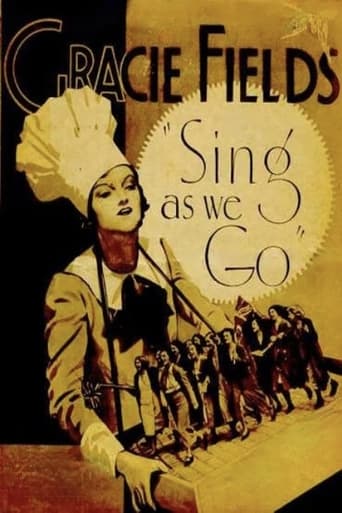
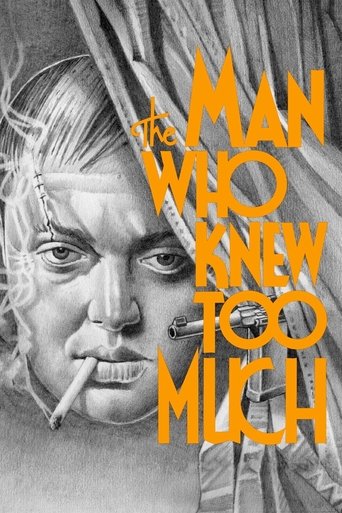
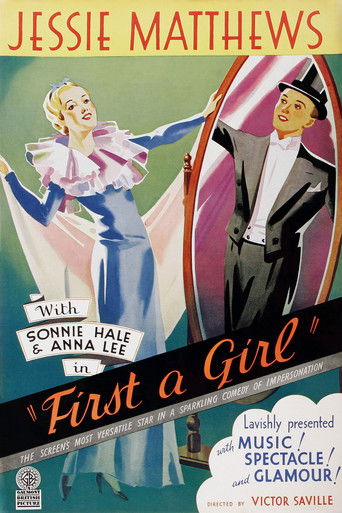
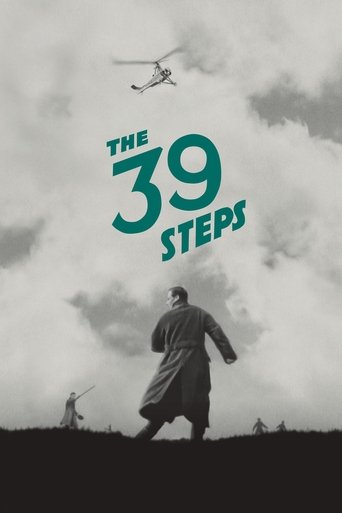
96 films See all 96 films ↓British cinema in the 1930s was shaped by a law, a financial bubble and a censor. The 1927 Cinematograph Films Act had forced British cinemas to show a rising quota of British films, and output roughly doubled in a few years: from 75 features in 1930 to 192 in 1936. Much of that increase was manufactured to order. In 1933, 97 of the 168 British features released were commissioned by American distributors simply to meet the quota, the cheap "quota quickies" shot in days on borrowed sets, of which the Edgar Wallace mysteries and Sherlock Holmes programmers here are typical. Above them sat a commercial industry with its own stars and audiences: Gracie Fields singing her way out of a closed Lancashire mill in Sing As We Go!, George Formby, Will Hay, Jessie Matthews, and the Gaumont-British thrillers that made Hitchcock's name.
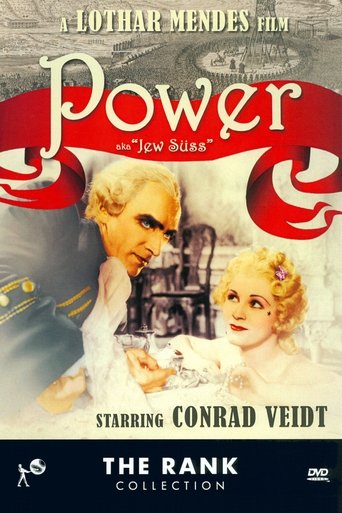
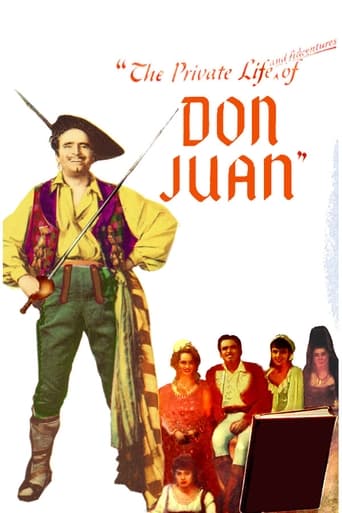
The prestige end ran on City money. The international success of The Private Life of Henry VIII in 1933 drew insurers and banks into film finance, and Alexander Korda's London Films built Denham Studios on the Prudential's backing and produced Things to Come, Rembrandt and the empire spectacles. The returns never matched the spending; by 1937 only four of Korda's major films had covered their costs. The money left almost at once, production collapsed, and the 1938 Films Act replaced the quickie quota with incentives for fewer, more expensive pictures. That is why the decade ends with American studios making large British films of their own, like MGM's A Yank at Oxford, The Citadel and Goodbye, Mr. Chips.
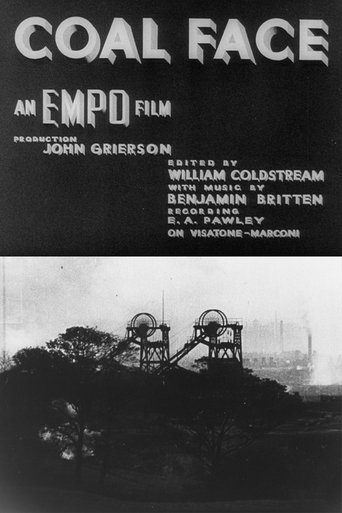
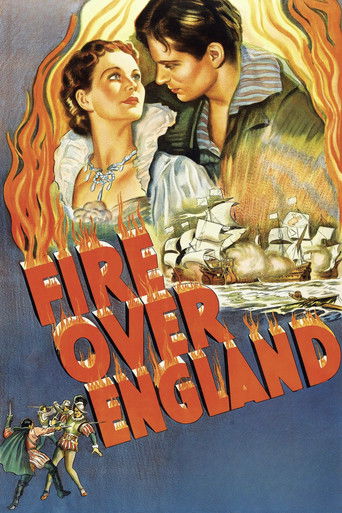
Two things set this decade apart from Hollywood's. One was the documentary movement, publicly funded through the Empire Marketing Board and then the General Post Office, which put working Britain on screen in Industrial Britain, Coal Face, Housing Problems and Night Mail. The other was the shadow of rearmament. The British Board of Film Censors barred anything likely to offend "friendly nations" and through the appeasement years refused films that attacked Nazi Germany outright, so the coming war reached the screen indirectly: spies serving invented countries, naval and army pictures like Brown on Resolution and O.H.M.S., the Armada as stand-in in Fire Over England, and the bombed city of Things to Come. By 1939 the indirection was gone. Q Planes and The Spy in Black named their enemy, and The Lion Has Wings was made in the weeks after war was declared.