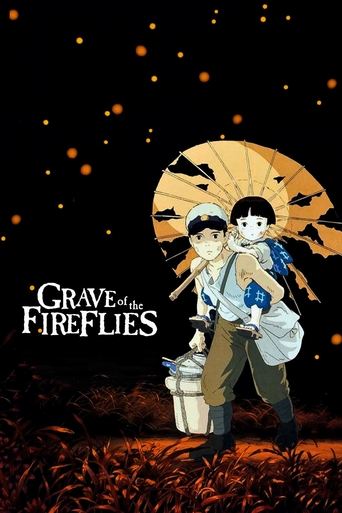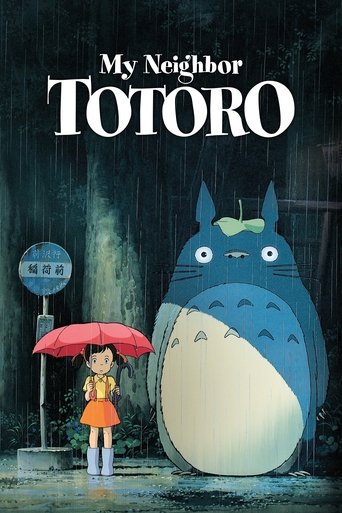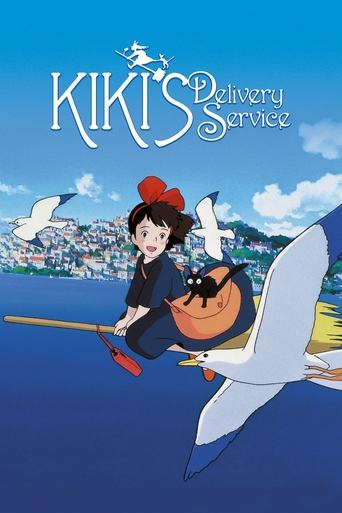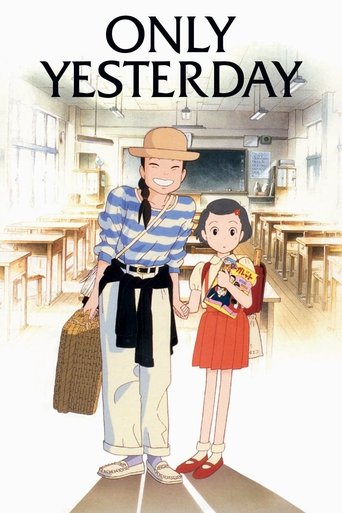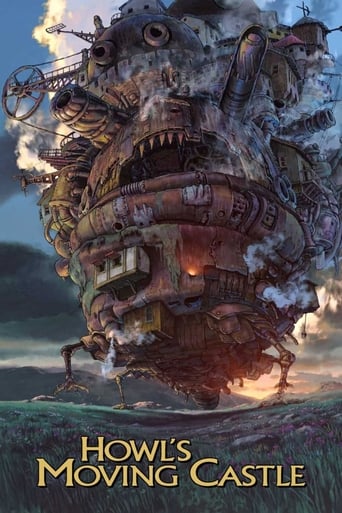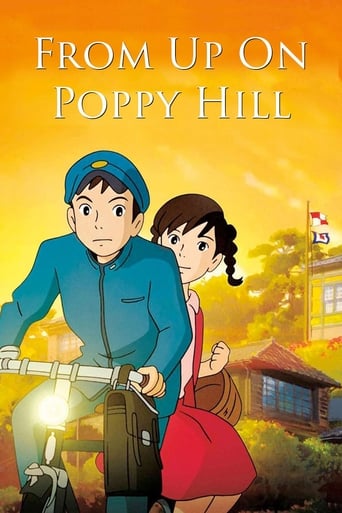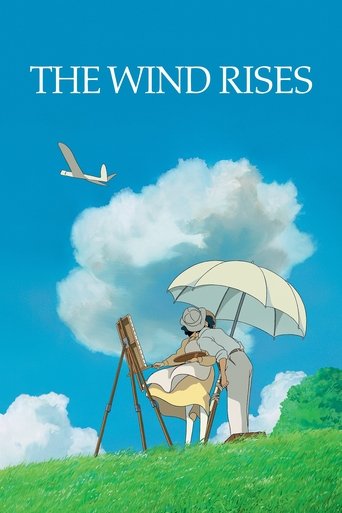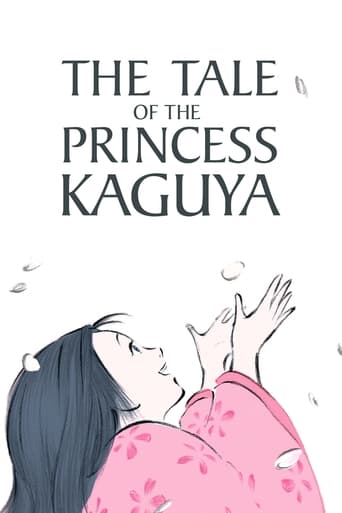
Studio Ghibli
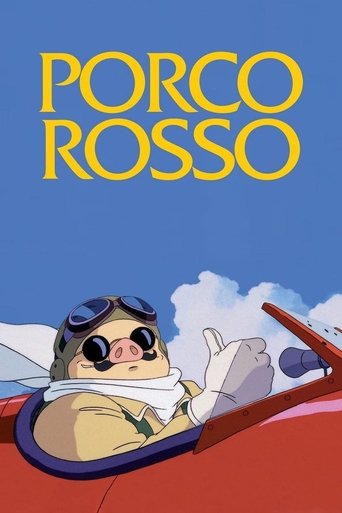
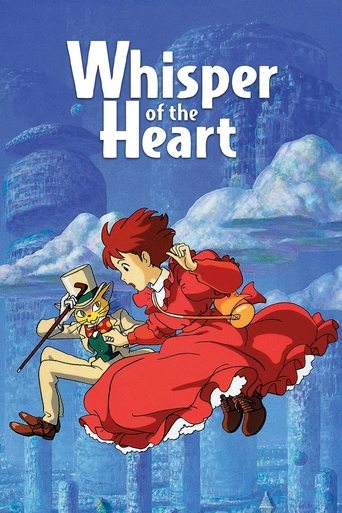
13 films See all 13 films ↓The features of the Tokyo animation studio founded in 1985 around Hayao Miyazaki and Isao Takahata. Ghibli was a publisher's investment before it was a brand. The success of Miyazaki's Nausicaä of the Valley of the Wind in 1984, adapted from a manga serialised in the anime magazine Animage, led its publisher, Tokuma Shoten, to fund a studio dedicated entirely to feature films, an unusual bet in an industry built on television series.
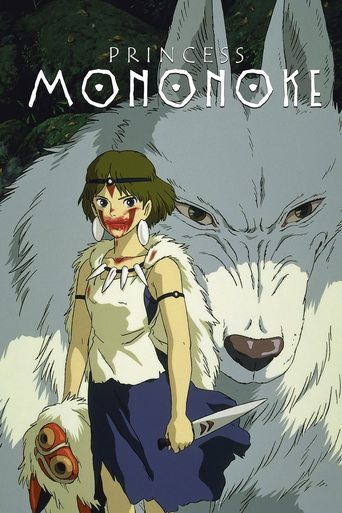
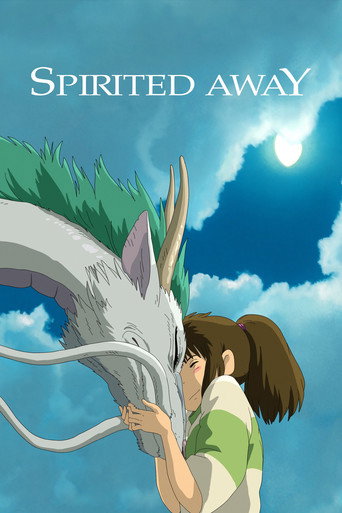
What set Ghibli apart was as much how it treated labour as what it put on screen. Japanese animation had long paid artists by the piece, per drawing or painted cel, so a hit film's success never reached the people who drew it. After Kiki's Delivery Service became the highest-grossing Japanese film of 1989, the studio moved its animators onto full-time salaries, aiming to double their pay, and began recruiting and training staff on a regular basis. That stable workforce is what made hand-drawn films of this scale and finish possible, and it was expensive: Princess Mononoke cost about two billion yen, double any earlier Ghibli film, and became the highest-grossing film ever released in Japan. Spirited Away broke that record in 2001 and held it for nineteen years.
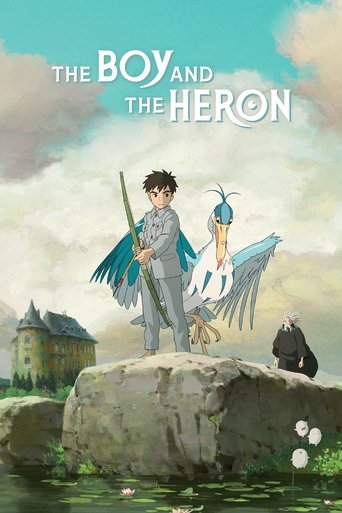
The international audience came through distribution deals rather than the films changing. A 1996 agreement with Disney brought the catalogue to the West, and Spirited Away won the Berlin Golden Bear and the Academy Award. The business underneath kept shifting: Ghibli became independent of Tokuma in 2005, and with its founders aging and no clear successor, it became a subsidiary of Nippon Television in 2023. The collection's span runs from the studio's early peaks to Takahata's last film, The Tale of the Princess Kaguya, and Miyazaki's return from retirement with The Boy and the Heron.