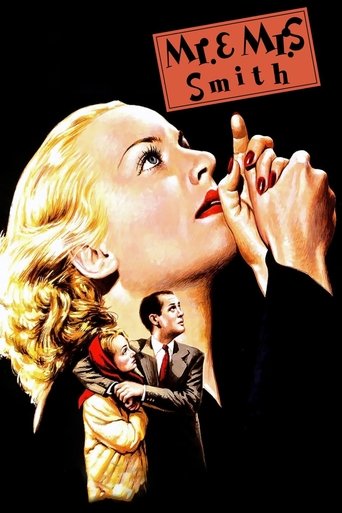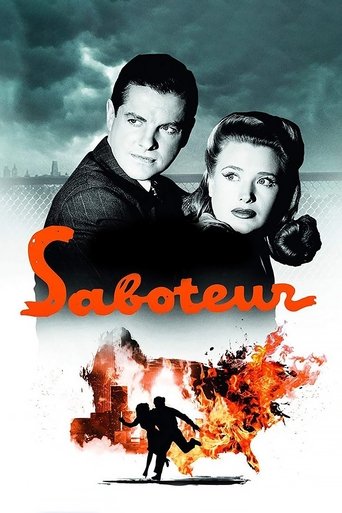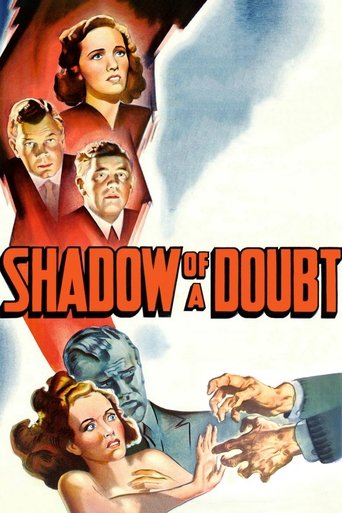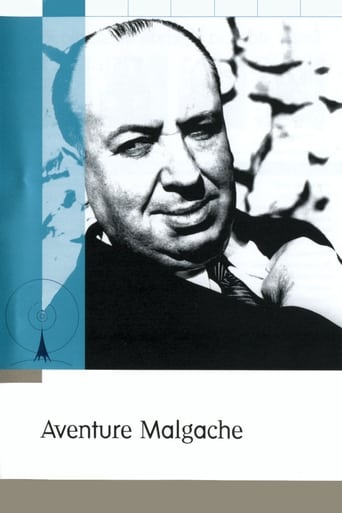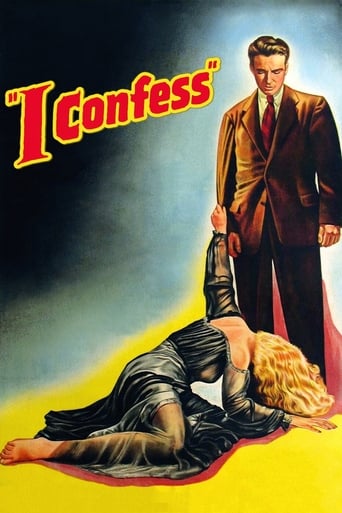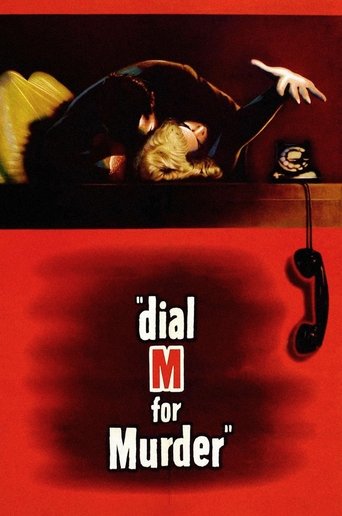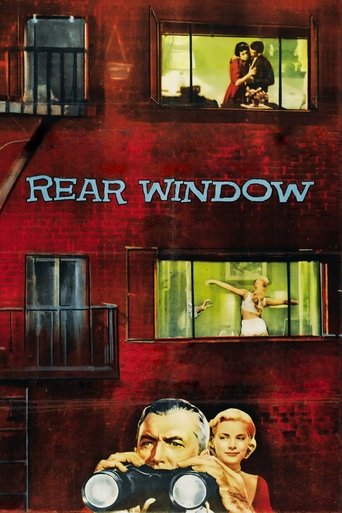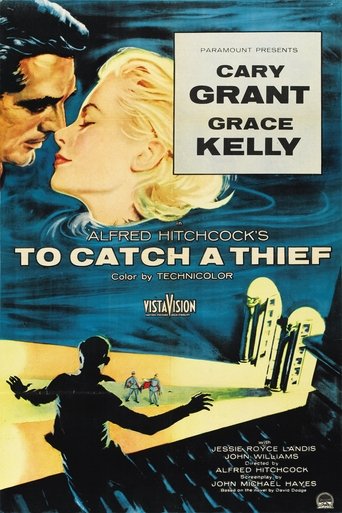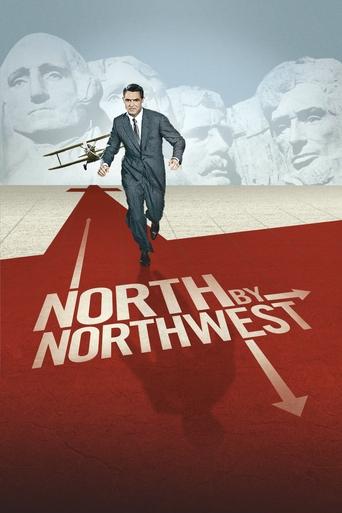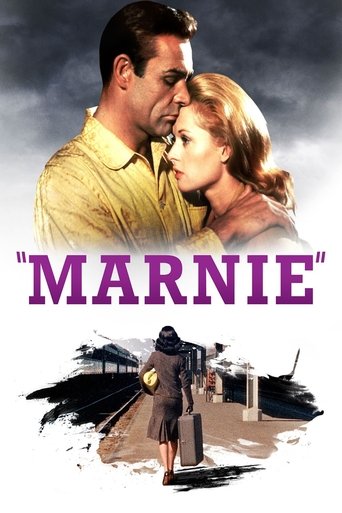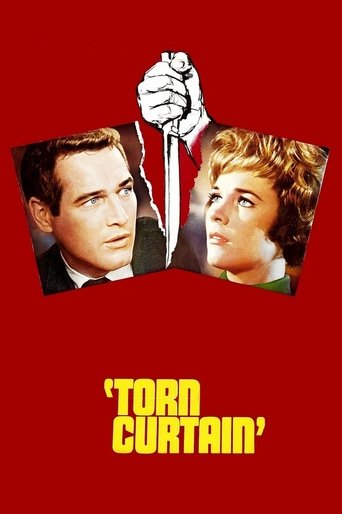
Hitchcock
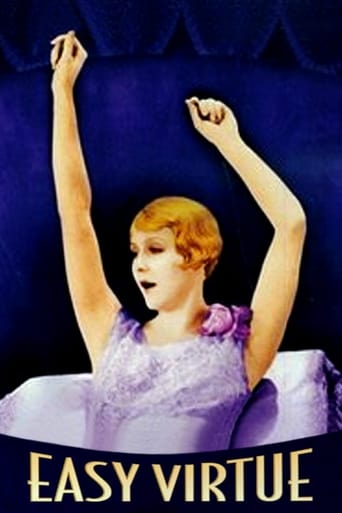
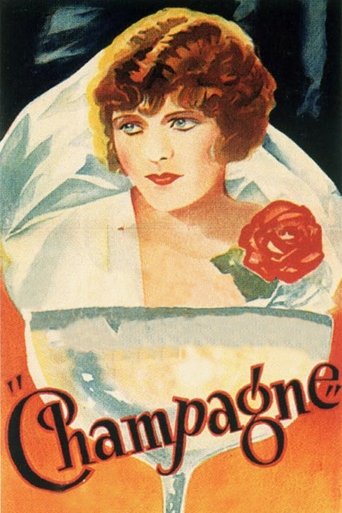
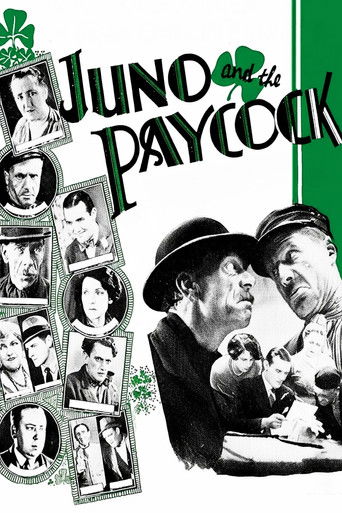
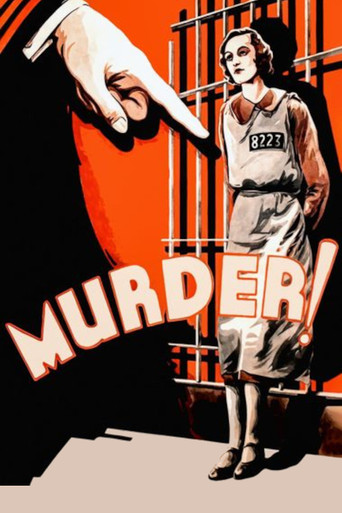
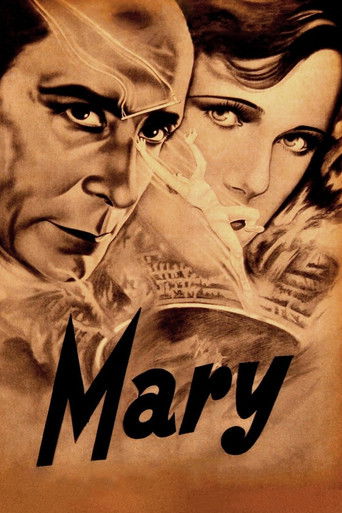
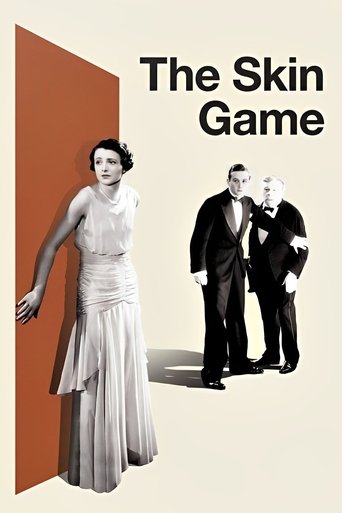
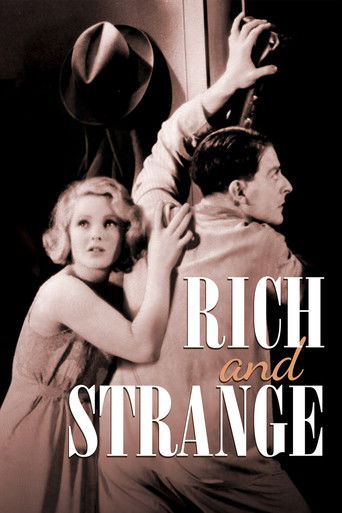
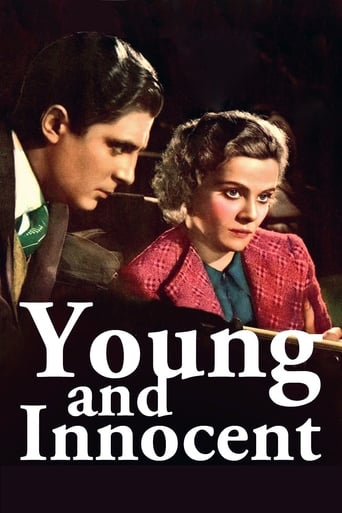
54 films See all 54 films ↓Fifty years of features by the most recognisable director the studio system produced, from silent melodramas made in Islington to Family Plot in 1976. The usual story is the auteur's: a single sensibility of suspense, guilt, voyeurism and the wrong man accused. The films also record three different terms of employment, and each changed what Hitchcock could make.
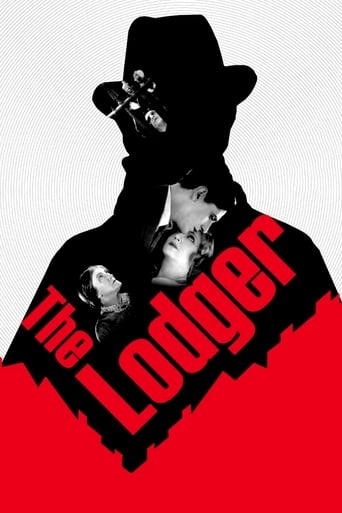
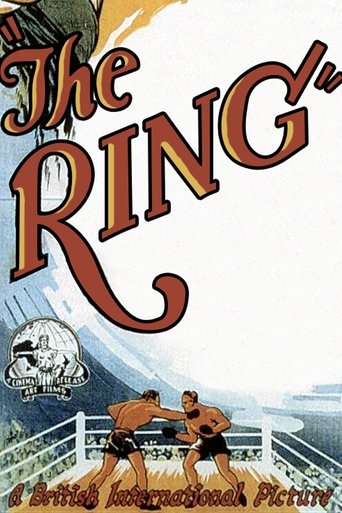
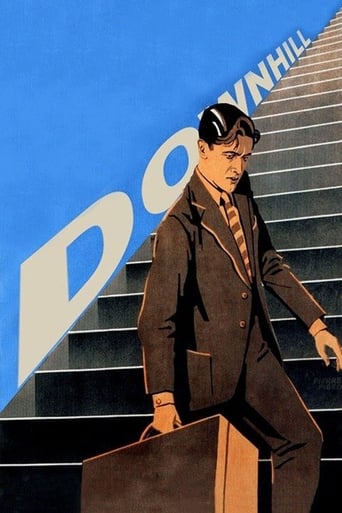
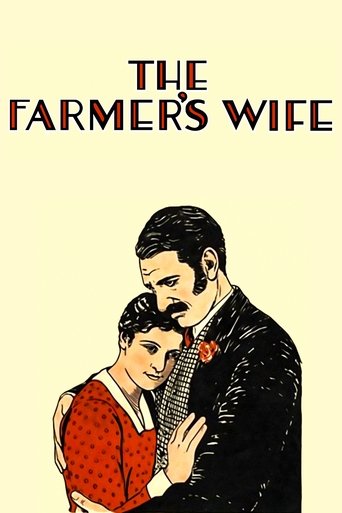
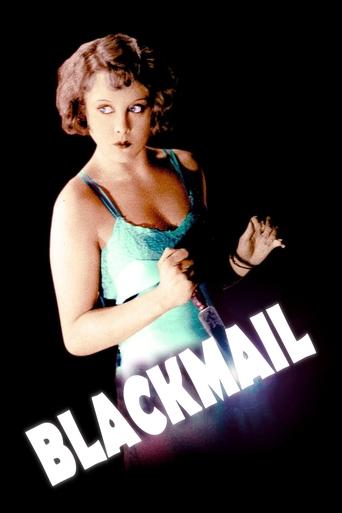
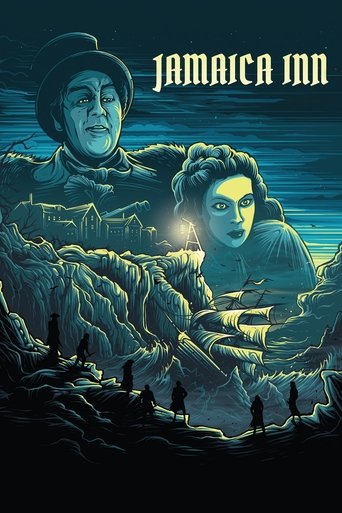
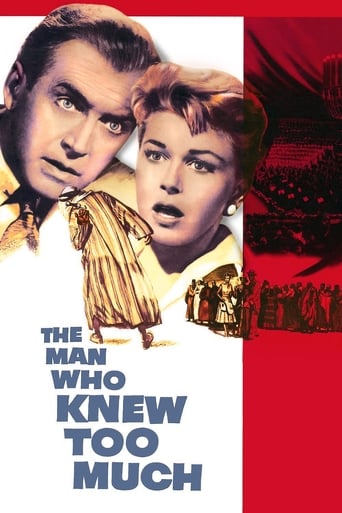
The British films, up to Jamaica Inn in 1939, are studio work. Hitchcock was a salaried employee of Gainsborough, British International Pictures and then Gaumont-British, in an industry kept alive partly by the 1927 quota law that obliged British cinemas to show British films. He made what the studios needed: stage adaptations, a Viennese operetta biography, quota-era programme pictures. They also included Blackmail, among the first British talkies, and the run of Gaumont-British spy thrillers under Michael Balcon, from The Man Who Knew Too Much to The Lady Vanishes, that made his name internationally.
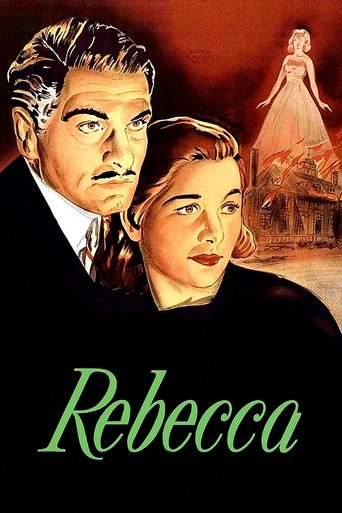
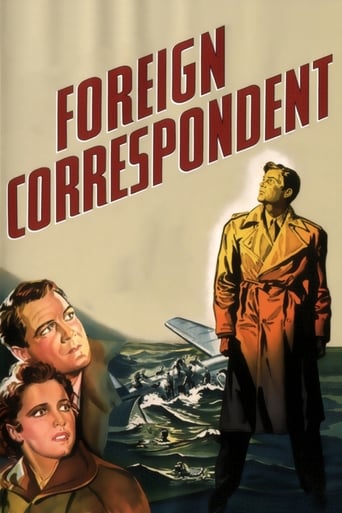
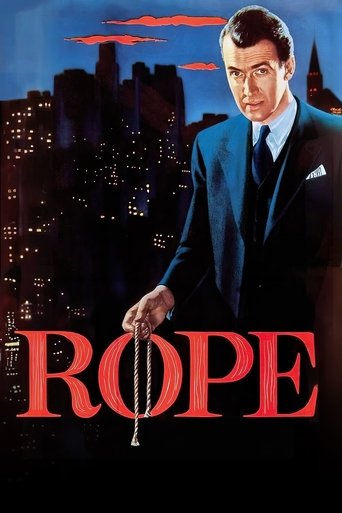
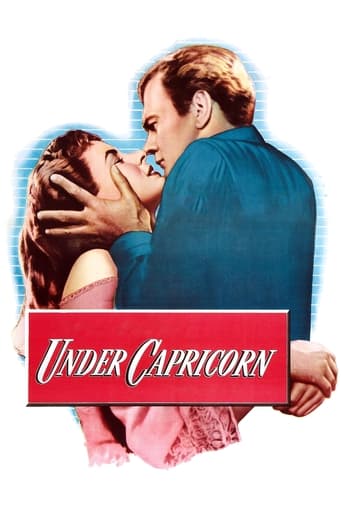
In 1939 he signed with David O. Selznick and went to Hollywood, but the contract made him Selznick's asset. Apart from Rebecca and Spellbound, most of his American films of the 1940s were made on loan to other producers and studios, among them Walter Wanger, RKO, Universal and Fox, at a significant profit to Selznick, a practice Hitchcock resented. His first attempt at independence, Transatlantic Pictures, produced only Rope and Under Capricorn before it folded.
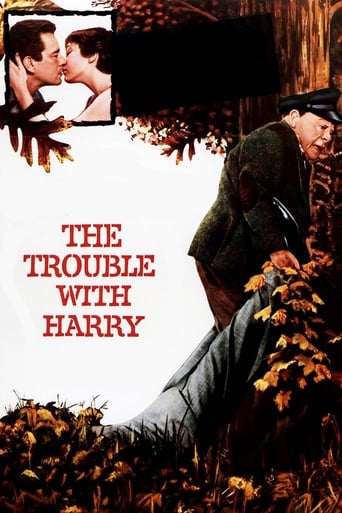
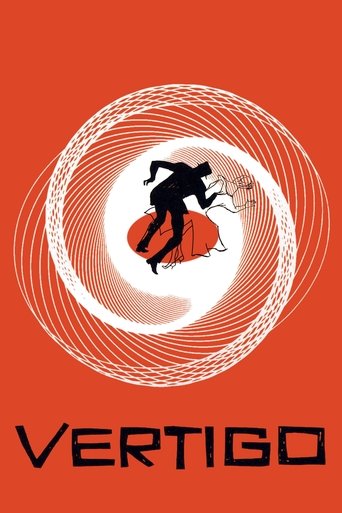
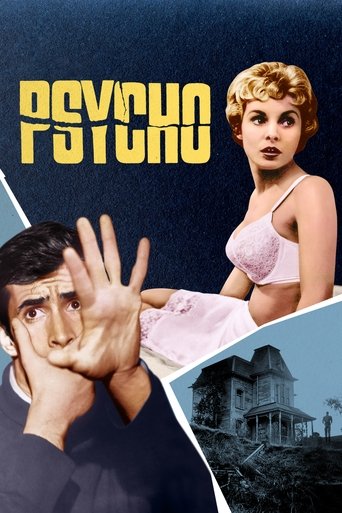
What finally gave him control was ownership, arranged by his agent Lew Wasserman of MCA. Hitchcock's 1953 profit-sharing deal with Paramount returned the rights in Rear Window, The Trouble with Harry, The Man Who Knew Too Much and Vertigo to him after their release. From 1955 the television series Alfred Hitchcock Presents, produced through his own Shamley Productions, made his silhouette a brand and gave him a fast, cheap crew. When Paramount balked at Psycho, he waived his $250,000 fee for about 60% of the negative and shot it in black and white with that television crew for roughly $800,000. The profits, together with his later sale of the television and film rights to MCA-Universal for stock, made him one of the studio's largest shareholders. The late Universal films, from The Birds to Family Plot, were made by a director who partly owned the company.