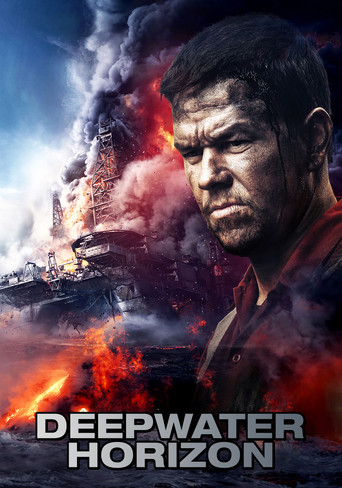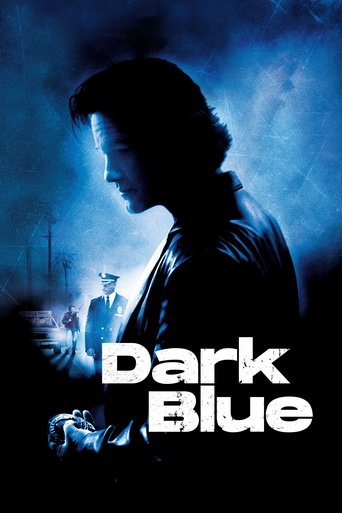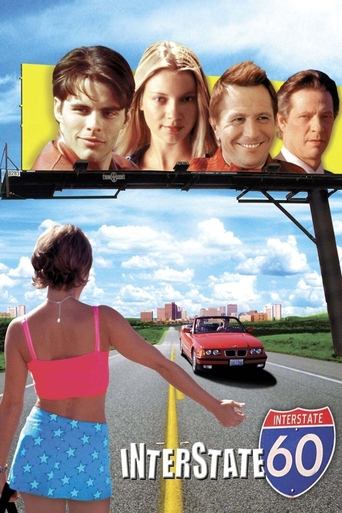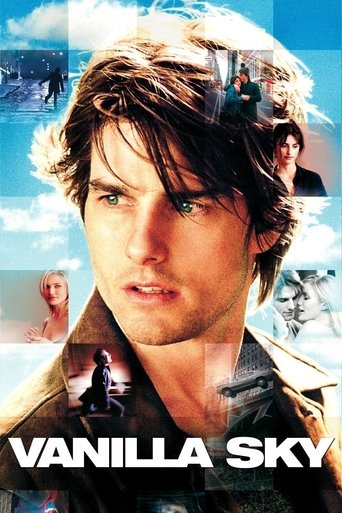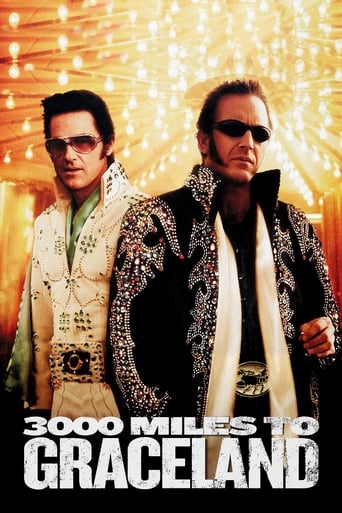
The Great Kurt Russell
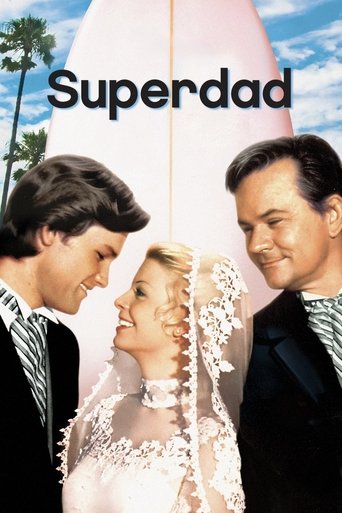
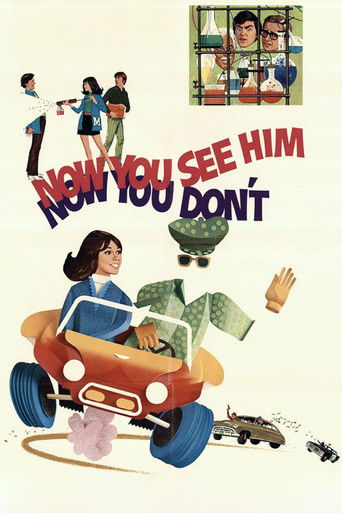
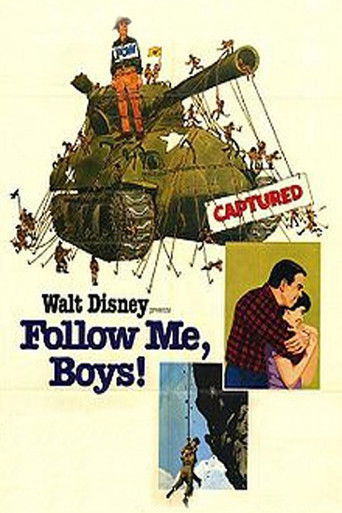
69 films See all 69 films ↓Kurt Russell had already worked as a child actor when his career settled inside one of the last studio contracts of its kind. In 1966 Walt Disney Productions signed him to a ten-year deal, and Follow Me, Boys! was the first film under it. The Disney films here, from The Computer Wore Tennis Shoes to The Strongest Man in the World, are cheap, efficient family comedies built for a studio that had lost its founder and needed a dependable young lead. Russell became the studio's biggest star of the 1970s, which also left him typecast as the wholesome boy of a fading kind of film.
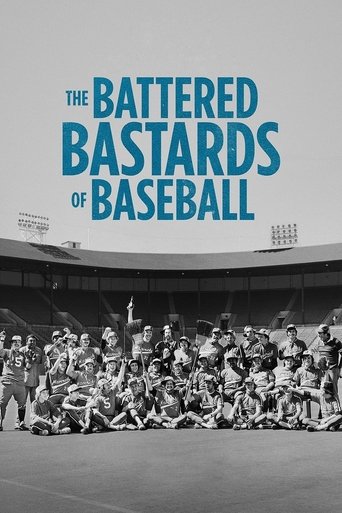
He had a second career running alongside it. From 1971 he played second base in the California Angels' minor league system, and he reached Class AA with El Paso in 1973 before a collision at second base tore his rotator cuff. He finished the year as a designated hitter for the Portland Mavericks, the independent club owned by his father, Bing Russell, and the subject of The Battered Bastards of Baseball. The injury ended baseball. Acting stopped being a boyhood job and became the way he would earn a living.
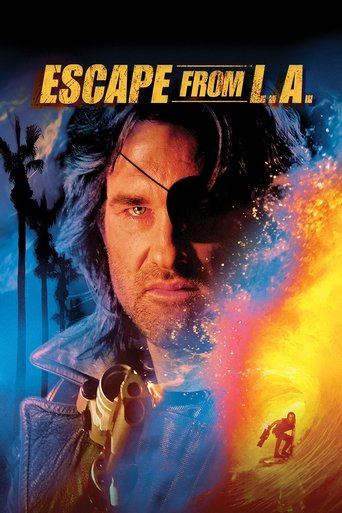
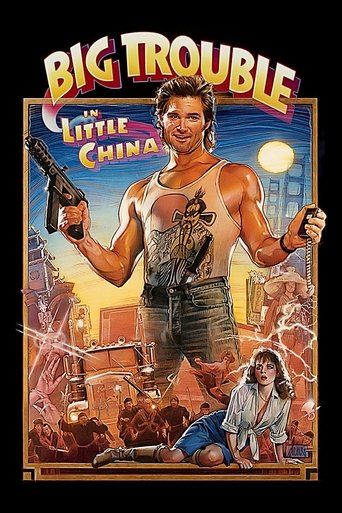
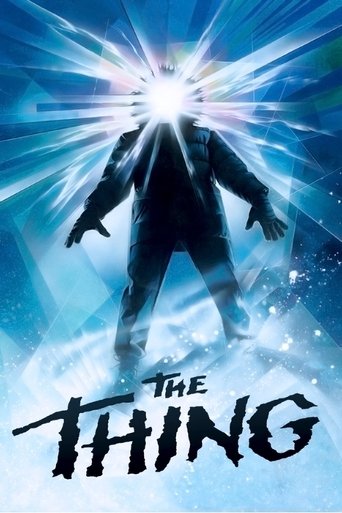
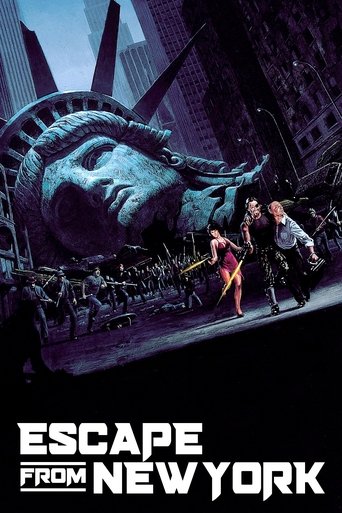
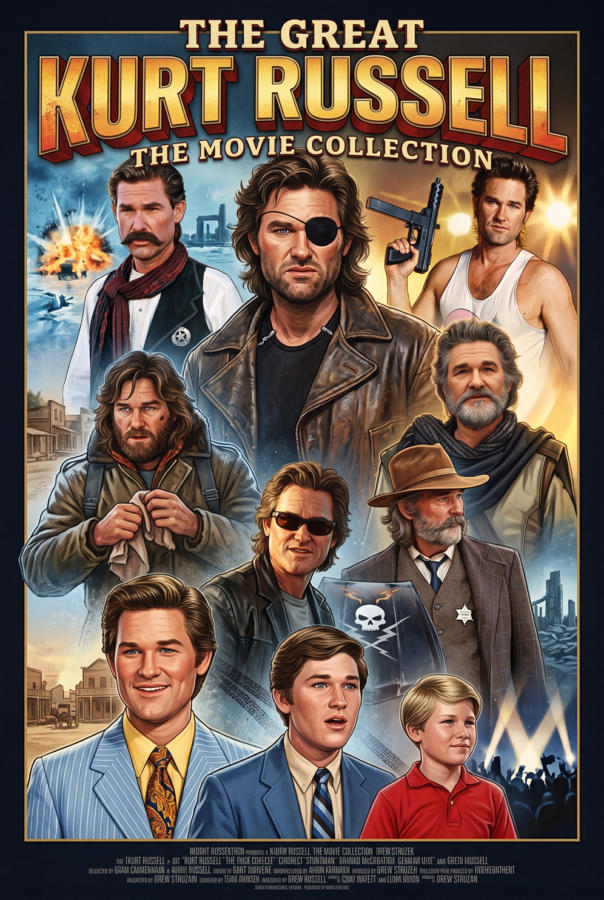
The way out of Disney came through television. John Carpenter directed him as the title character in Elvis in 1979, and the performance earned Russell an Emmy nomination. When Carpenter cast him as Snake Plissken in Escape from New York, Avco Embassy wanted Charles Bronson, and by Russell's account Carpenter fought for him. The Thing, made for about $15 million, opened weeks after E.T. and took roughly $20 million worldwide. Big Trouble in Little China, rushed into production by Fox to beat Eddie Murphy's The Golden Child, earned $11 million on a budget of $19 to $25 million, and the experience pushed Carpenter back toward independent filmmaking. Both films later found their audience on home video, which is how their reputations were actually built.
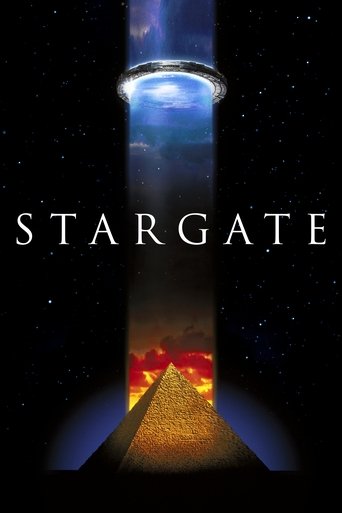
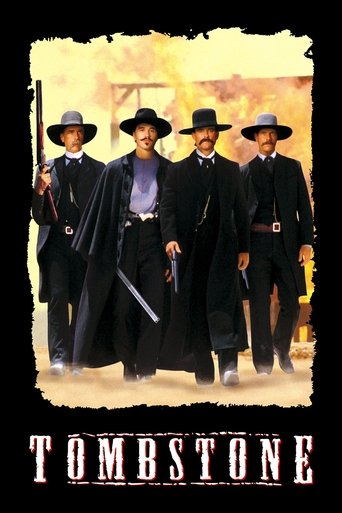
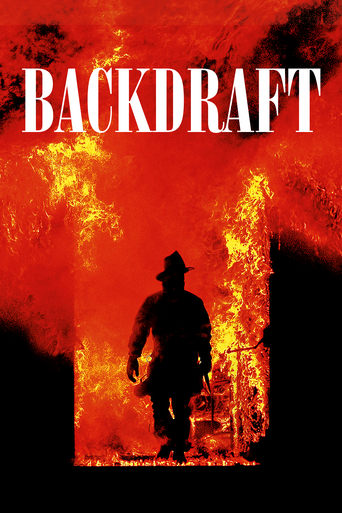
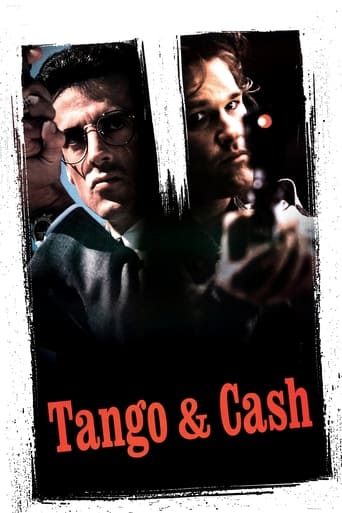
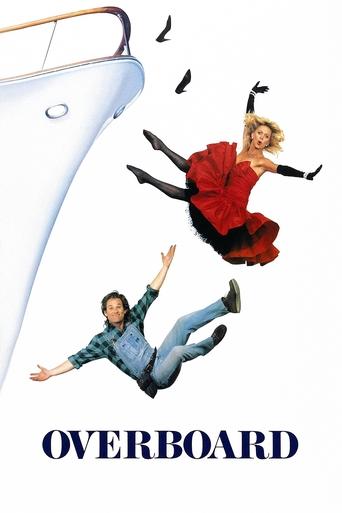
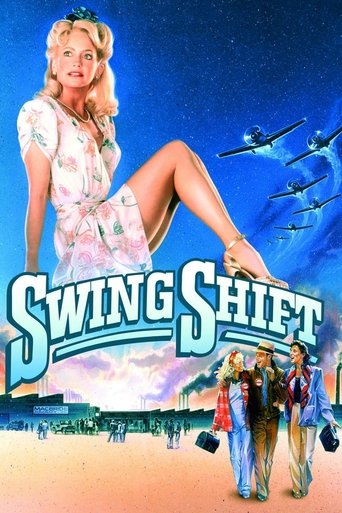
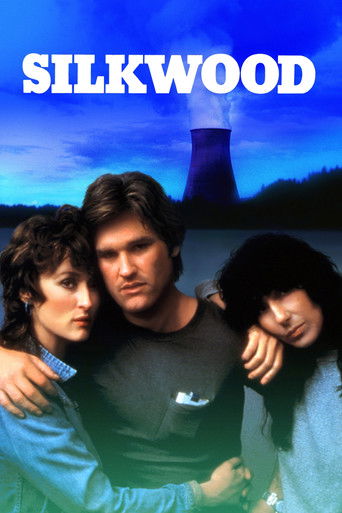
The 1980s show how slowly stardom can arrive. Silkwood brought a Golden Globe nomination, but Swing Shift, The Mean Season and The Best of Times all lost money, and Overboard only broke the streak modestly. Studio confidence came with Tango & Cash, Backdraft and Unlawful Entry, then Tombstone, which beat the far costlier Wyatt Earp, and Stargate, which surprised an industry that said it had no big-name star. Russell has said MGM polled audiences and found him to have "zero unlikability," and his fee more than doubled. By the mid-1990s he was paid $10 million for Escape from L.A. He had become that useful thing, a dependable lead whom audiences trusted without treating him as an event.
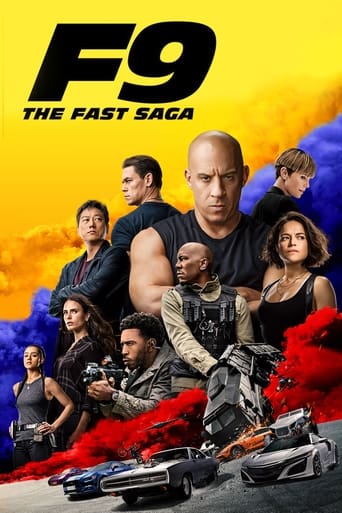
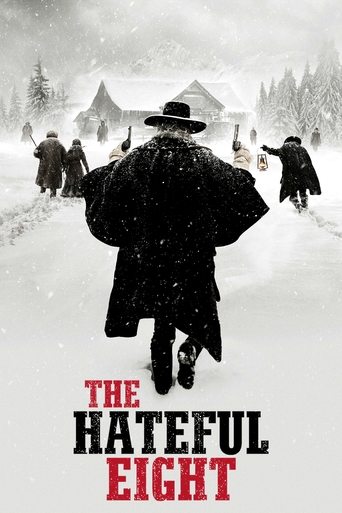
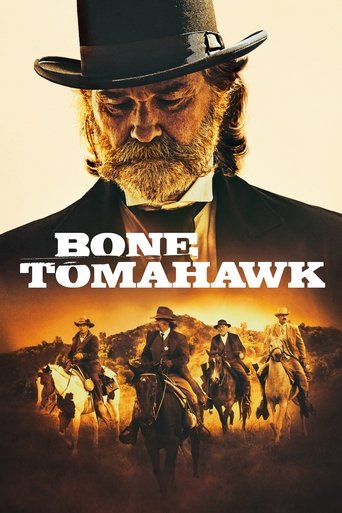
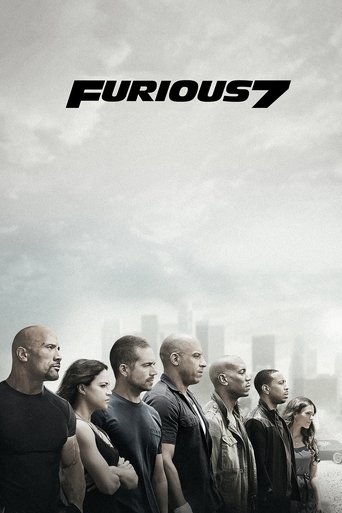
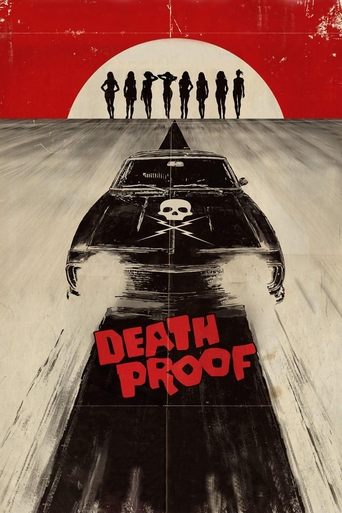
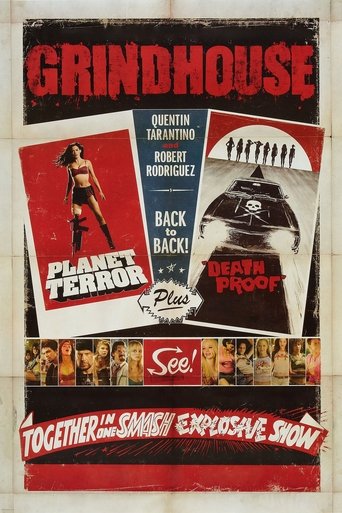
The later films trade on that history. Grindhouse and Death Proof turned his old image into a threat, The Hateful Eight and Bone Tomahawk put him back in the Western, and the Fast films and Guardians of the Galaxy: Vol. 2 bought his screen memory wholesale. The documentaries gathered here, about his father's ball club, the Disney archives and The Thing, record how much of American popular film since the 1960s has passed through a single working actor.