Hellraiser Collection
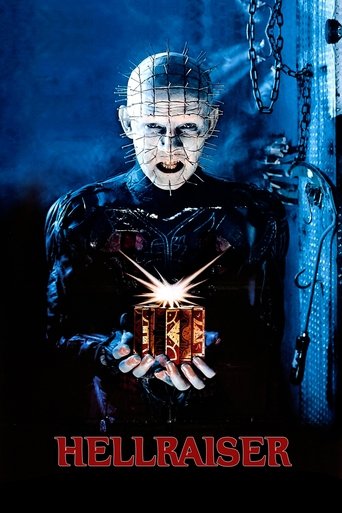
5 films See all 5 films ↓Clive Barker wrote the novella this collection is based on, The Hellbound Heart, specifically because he'd been burned once already. He'd written the screenplay for 1985's Underworld and was unhappy with how the producers handled his material — so his answer was to write something original enough, and disturbing enough, that he could insist on directing it himself. Hellraiser (1987) became his first feature as a director after only two short films, and by his own account he went into it barely prepared — he's said he tried to find library books on how to direct a movie and both available copies were already checked out. He remembered the shoot fondly anyway, saying the cast and crew treated his "ineptitudes" kindly. Made for roughly $1 to 1.5 million, it grossed over $30 million, and picked up horror's most quoted seal of approval along the way: Stephen King calling it "the future of horror." Not everyone agreed at the time — Roger Ebert hated it enough to turn King's own line back on Barker in his review, closing with "I have seen the future of implausible plotting, and his name is Clive Barker." It's worth knowing both reactions existed simultaneously, not just the one that ended up on the posters.
What made the film genuinely different at the time is easy to undersell now that Pinhead is genre-iconic: this wasn't a slasher, and its villain wasn't a boogeyman with a motive. The Cenobites are explorers of sensation who can't distinguish pleasure from pain, summoned by a puzzle box rather than stalking anyone personally — closer to an indifferent natural force people accidentally invite in than a killer hunting a victim. Barker didn't keep control of that idea for long. As part of the deal that let him direct the first film, he sold the franchise rights for roughly a million dollars, which meant he had progressively less say over what came next — executive producer credit only on the second and third films, then nothing more than a "characters by" line after that. The quality drop-off across the sequels people often notice isn't mysterious; it's the direct, contractual consequence of that first deal.
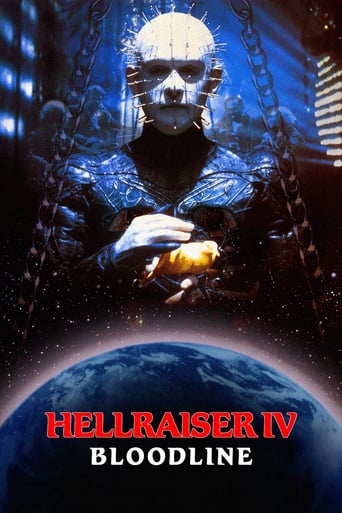
Bloodline, the fourth film and the last one this franchise got a real theatrical release for, is where that drift became outright chaos. Original director Stuart Gordon — the Re-Animator filmmaker — left the project over creative differences before shooting even began. His replacement, makeup effects artist Kevin Yagher making his own feature directing debut, delivered a cut Miramax executives hated enough to order extensive reshoots and bring in a second director, Joe Chappelle, to shoot new material leaning hard into a "Hellraiser in space" angle that hadn't been the film's original emphasis. The finished film was trimmed from 110 minutes down to 85. Both directors were unhappy enough with the result that both took their names off it using the Alan Smithee pseudonym — a rare case of two different people disowning the same film. It made $9.3 million on a $4 million budget, a disappointing enough return that every Hellraiser film after this one went straight to video. This collection's stopping point isn't arbitrary; it's exactly where the franchise stopped being something a studio would put in theaters.