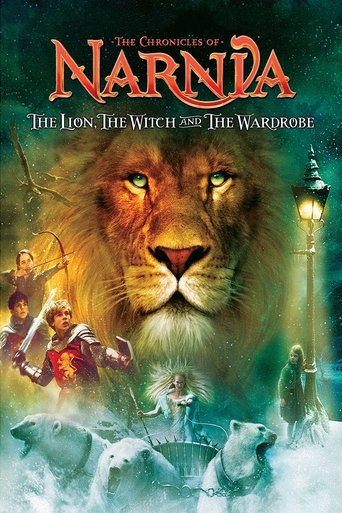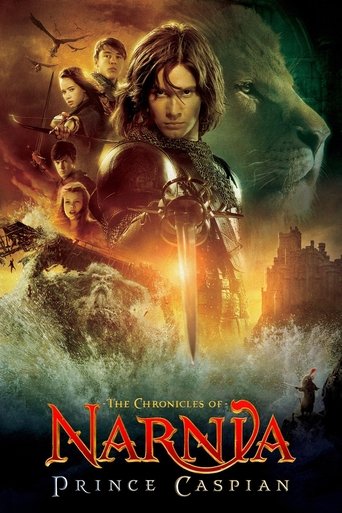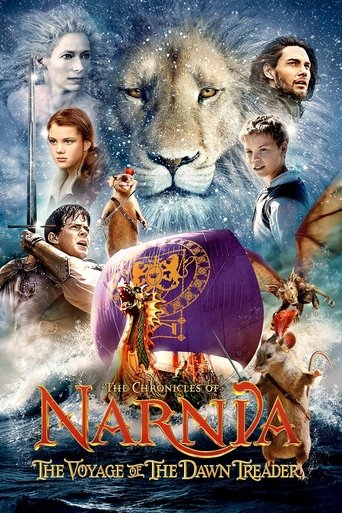
The Chronicles of Narnia Collection
3 films See all 3 films ↓C.S. Lewis described his pre-conversion self bluntly: "a blaspheming atheist." What changed his mind has an oddly specific, well-documented shape to it. One night at Oxford, his close friend J.R.R. Tolkien and another friend, Hugo Dyson, spent hours walking and talking with him along Addison's Walk, arguing that the Christian story was true, not just beautiful myth like the Norse and English legends they all loved. Lewis's conversion finished nine days later, on a trip to the zoo, where he made friends with a bear he nicknamed Bultitude. His own account of it is almost comically precise: "When we set out I did not believe that Jesus Christ is the Son of God, and when we reached the zoo I did." Worth knowing, though, is that Lewis himself always resisted calling the Narnia books straightforward allegory — elements of the story clearly stand in for Christian ideas, but not with the exactness that term implies, and pressed too hard as one-to-one allegory, parts of it actually fall short of Christian orthodoxy rather than confirming it.
The studio backing these films understood exactly what audience that history pointed to. Walden Media, which held the rights to Lewis's books, was co-backed by Philip Anschutz specifically with family and faith-friendly content as part of its mission, and Disney ran two distinct marketing campaigns for the first film side by side — one secular, one aimed directly at churches and Christian audiences who'd grown up on the books.
What ended the franchise after three films, rather than the seven originally planned, is a fairly direct chain of studio decisions. Prince Caspian cost roughly $225 million to make, closer to $350 million once marketing was included, and only brought back about $420 million — technically profitable, but a real disappointment at that scale. Part of the problem was tonal: Disney pushed the sequel toward bigger battle sequences aimed at teenage boys, added a romance between Susan and Caspian that has no basis anywhere in Lewis's book, and in doing so alienated a chunk of the built-in religious audience that had made the first film work. Disney decided the franchise wasn't worth continuing and walked away. Walden found a new partner in Fox, who rebuilt Voyage of the Dawn Treader on a reduced budget — cutting the visual effects budget nearly in half partly by reusing character designs from the earlier films — and repositioned the tone back toward the faith-friendly register of the original. It still underperformed even Caspian's reduced expectations on opening weekend, and the already-announced adaptation of the next book, The Silver Chair, never happened. This collection's three films are the complete run, not a partial one still waiting on the rest.